A new evidence-based method is being developed to determine whether jockeys can return to the saddle following a concussion.
The study makes use of virtual reality and blood biomarkers to ensure jockeys are fit to ride again following a head injury.
“Given the high incidence of concussion in the sports industry, improving tools to assist diagnosis and management of sports related concussion is critically important,” said lead researcher Brad Wright, associate professor at La Trobe University.
The research, from Dr Wright with Dr Stuart McDonald from Monash University, shows how combining computerised testing with biomarkers in blood provides a more sensitive measure for concussion diagnosis and management.
The study involved 64 professional flat-track jockeys, 15 of whom have experienced sports related concussion.
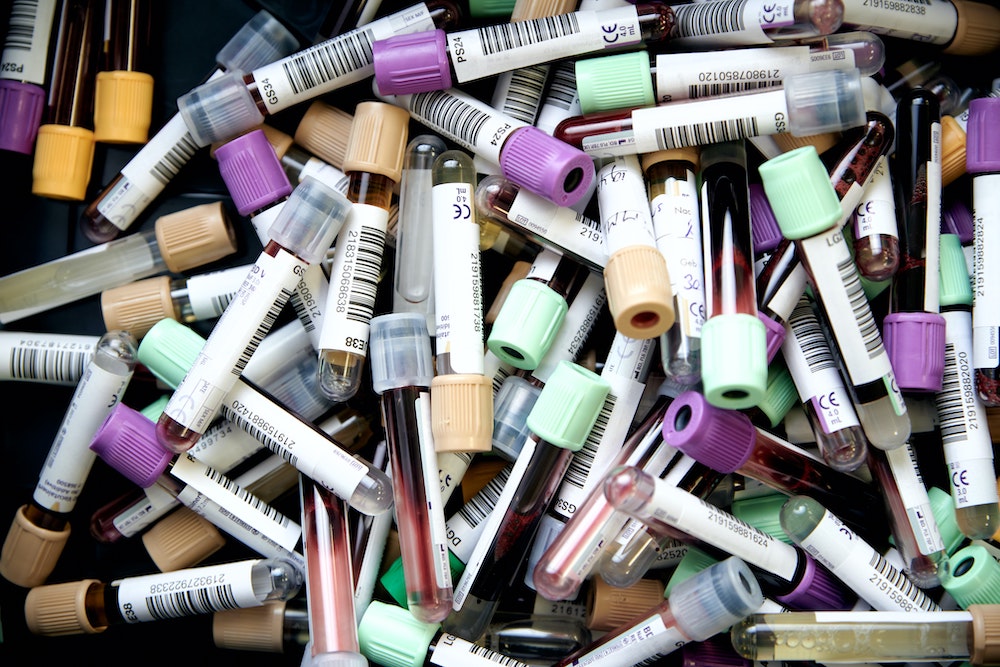
Each jockey undertook symptom evaluation, cognitive testing using computerised neurocognitive testing, and provided blood that was scanned for biomarkers indicative of brain injury.
Measurements were performed before injury, and then at two days, seven days, one month and 12 months after the concussion had occurred.

The study – funded by the AgriFutures Thoroughbred Horses Program, Racing Victoria, and La Trobe University – showed that symptoms and cognition were generally back to normal two to seven days after concussion.
However, when measuring blood biomarkers, the concussed group showed that neurofilament light – an indicator of brain injury – remained elevated beyond the resolution of symptoms and the return to baseline in cognitive testing.
“It was the combination of these two tests – cognitive and blood biomarkers – that provided the most accurate reflection of the fitness of a jockey to return to the saddle,” Dr Wright said.
In other research led by Dr Wright and Professor Ben Horan from Deakin University, the speed of eye movements when using VR technology has shown to be another way to assess concussion.
The concussion assessment tool, called CONVIRT, uses eye tracking technology to assess visual processing speed, attention and decision-making within a virtual reality environment.
The research used the VR tech to simulate riding in a horserace and found that CONVIRT could detect deficits in visual processing that would not normally be registered by the athlete.
Dr Wright suggested that slower eye speeds may explain why persons who have suffered a concussion are between two and ten times more likely to have a second concussion.
“They may return to play before they are at full capacity to detect and react quickly to dangers in their environment,” Dr Wright said.
The La Trobe University team, from the School of Psychology, have adapted CONVIRT for use in testing Australian rules football players, and will also look to use it it other sports where athletes are affected by concussion.