Patients with a traumatic brain injury (TBI) that is life threatening or likely to leave them severely disabled, could access faster treatment via the findings of a blood test, according to a new study.
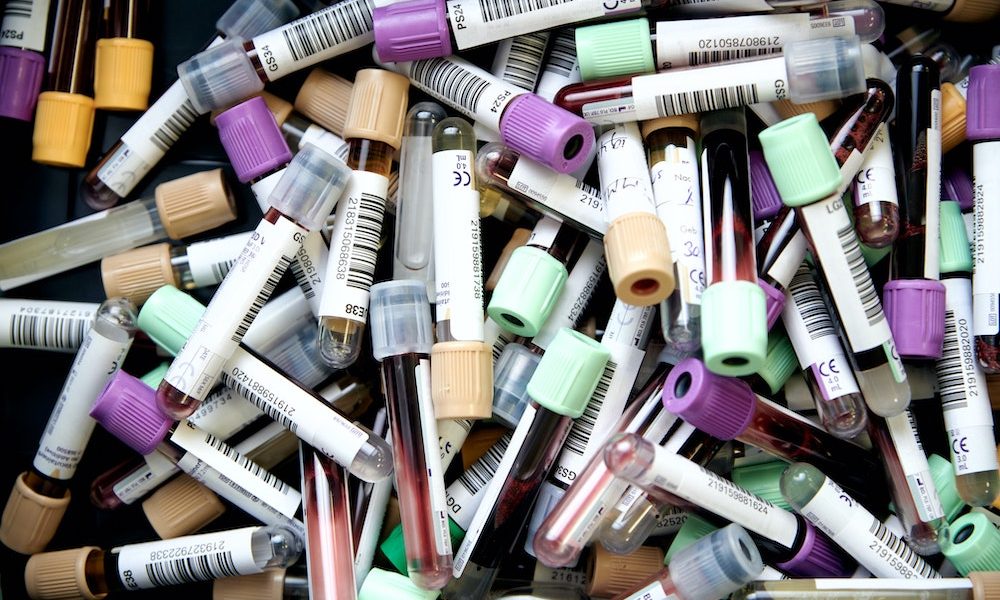
The study suggests that blood tests taken within the first 24 hours of the injury could confirm the need for prompt surgical interventions.
This is due to how quick results are available from blood tests.
At the very least, the results could help guide conversations with families in case of devastating injury.
The tests have already been cleared by the US Food and Drug Administration for establishing which patients with mild TBI should undergo CT scans.
Two protein biomarkers, GFAP and UCH-L1, are detected by these blood tests.
High values of these biomarkers correlate with death and severe injury according to the study’s authors.
Geoffrey Manley, MD, PhD, who is co-senior author of the study says these tests are “both diagnostic and prognostic.”
This is as well as them being easy to administer, quick and cost effective.
As part of the study, researchers from a UC San Francisco led brain injury research initiative, studied the day-of-injury blood tests of 1,696 patients with TBI.
This was done using the Abbot i-STAT Alinity, a portable blood analyser and the ARCHITECT assays.
The blood test results were compared at patients’ six-month assessments by using the Glasgow Outcome Scale Extended.
This scale grades outcomes and quantifies levels of disability following TBI.
The outcomes range from level 1, which is death, to level 8, which is the complete normal resumption of life, with some minor defects in some cases.
The study found that one in five patients had died or were left with severe disabilities.
Around two-thirds of the study participants were male, with an average age of 39.
They had been evaluated at 18 level 1 trauma centres for injuries caused primarily by falls or traffic accidents.
At six months following the injury, seven per cent of the patients had died, while 14 per cent had an “unfavourable outcome.”
Meanwhile, 67 per cent had “incomplete recovery” which ranged from moderate disabilities requiring assistance outside of the home to minor disabling neurological or psychological deficits.
The researchers found that the day-of-injury blood tests had a high probability of predicting death at six months; 87 per cent for GFAP and 89 percent for UCH-L1.
There was also a high probability of predicting severe disability at the same time point, 86 per cent for both GFAP and UCH-L1.
However, they were significantly less accurate in predicting incomplete recovery – 62 per cent versus complete recovery, 61 per cent.
Manley says: “We believe this tool may encourage clinicians to be more aggressive in their decisions to begin or continue life-saving treatment,
“Modern trauma care can result in good outcomes in what we had once believed were non-survivable injuries.”
First author of the study, Frederick Korley, MD, PhD, says the study is: “First report of the accuracy of a blood test that can be obtained rapidly on the day of injury to predict neurological recovery at six months after injury.
“Although there have been previous prognostic studies, they have used a limited number of patients, which can result in imprecise estimates.”
Researchers also wanted to establish whether accuracy in predicting outcome would be boosted if the two blood tests were done together, along with prognostic models that looked at different variables such as age and pupil reactivity.
They found that patients with severe and moderate TBI, the accuracy of predicting death and severe disability increased to 94 percent and 89 per cent, respectively.
However, patients with mild TBI, the probability of predicting complete recovery versus incomplete recovery increased to only 69 per cent.
Co-senior author Ramon Diaz-Arrastia, MD, PhD, says: “Although structural brain injury, as measured by GFAP and UCH-L1, as well as CT scanning, may play a predominant role in determining poor outcome in moderate and severe TBI.
“Mechanisms of injury relating to poor outcome after mild TBI are not yet fully understood.”