



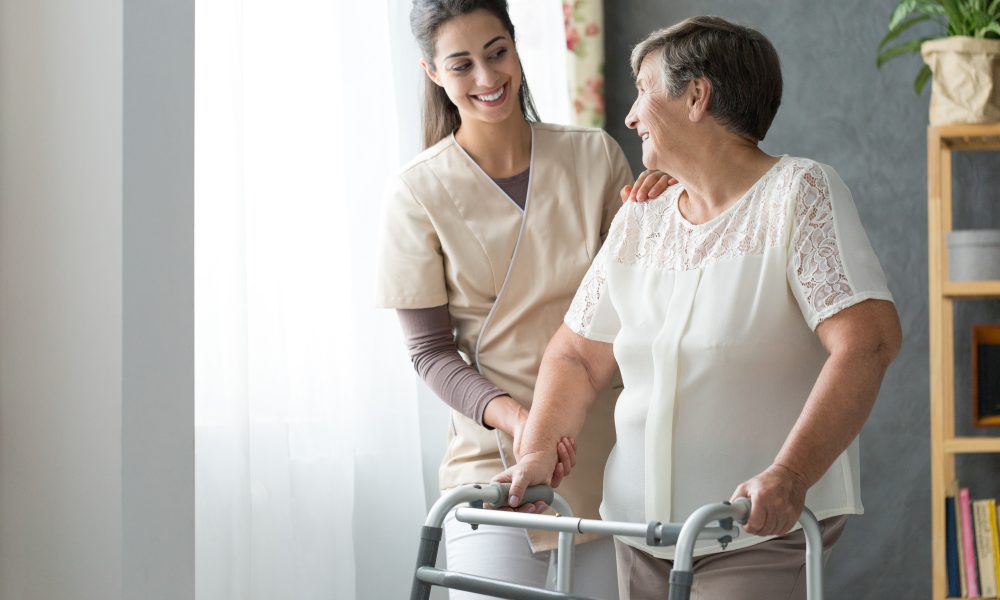
Caregiving isn’t always a taxing burden in a professional or personal context. Some people enjoy looking after others, unearthing a real passion for it as they gain experience.
As half of the Americans who quit their jobs last year did so for a career change, it’s not a bad time to consider ways to progress beyond caregiving if you wish to.
After gaining experience, you could have picked up useful transferable skills.
Alternatively, you may wish to continue as a caregiver but build on your talents to provide a better service. That’s valid too.
So, how can you build on your current skills and experiences to move your caregiving career forward in your desired direction? Find out after the jump.
Take an Online Nutrition Course
Many healthcare professionals choose to enrol in a nutrition course online.
It can give them additional certifications and help them develop and adhere to the latest standards in their sector.
As a caregiver, you may already prepare meals and snacks for your clients. Why not also earn the same certifications as a professional dietician may seek out?
Whether switching careers or doubling down on your caregiving, these learning opportunities may lend more credibility to your goals.
Furthermore, earning a nutrition certificate can be fulfilling in its own right as well. It’s a great step to take in your health education.
Not only will you follow in the footsteps of seasoned health professionals, but you’ll also learn about all the nutrient groups and their role in human health.
You’ll better understand sugars, supplements, and diet fads. Fats and protein can be studied more intricately too.
Explore Other Types of Caregiving
There are many areas to branch out to when you’re a carer. You could always consider jumping over to another if you feel spent in one.
Different types of caregiver roles include:
- Caring for seniors – involves looking after elders in your community.
- Private duty caregivers – Visiting clients at their homes and helping them tend to daily chores and tasks.
- Respite caregivers – Filling in for primary caregivers, typically family members, while they get some rest.
- Specialised caregivers – Utilizing complex skills to look after clients with particular health conditions, whether illness or injury related.
Being a specialised caregiver may give you a stronger foundation for an eventual career change.
No matter what you choose, any of these roles can be fulfilling and positively contribute to your resume.
Master Communication Techniques
Looking for ways to improve your communication skills could be in your best interests.
After all, much can be gleaned from things like body language, from telling when a person is dishonest to how comfortable that individual is in any situation.
Each of your clients or loved ones may prefer different communication methods too. If you speak slowly with somebody who doesn’t require you to, they may interpret you as condescending.
Still, while adaptability is crucial, some general pointers can be utilised across the board; maintaining eye contact, having good posture, and enunciating clearly.
Patience and empathy can usually help you pitch your demeanour accurately.
Of course, it’s not just about how you communicate but also how those in your care do.
If your clients aren’t forthcoming, you may need to look for signs of concern and discomfort.


