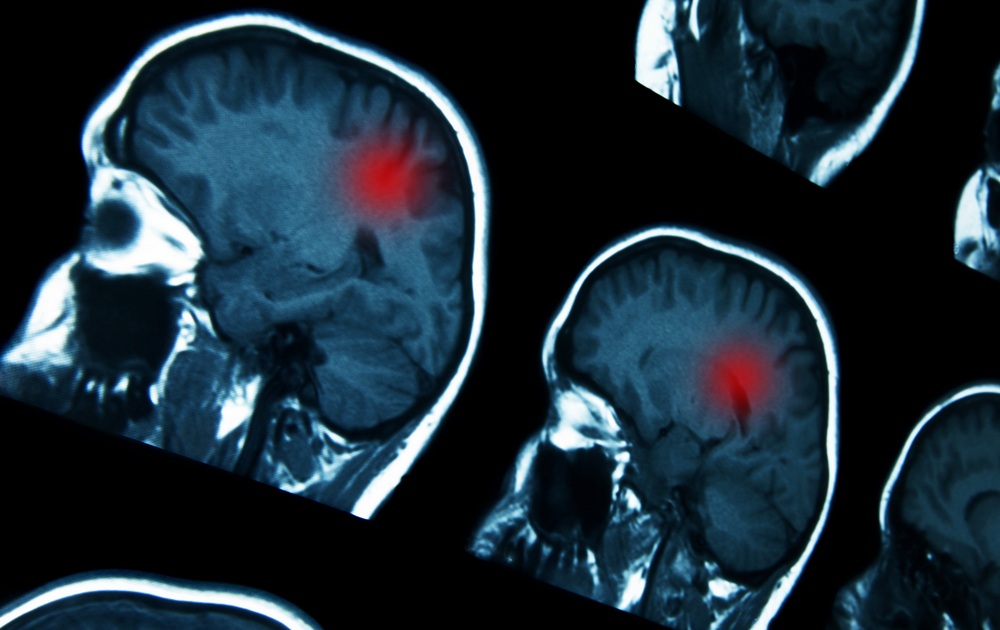
Younger brains may face a greater long-term seizure burden after traumatic brain injury (TBI), despite assumptions that they recover better, laboratory research suggests.
Researchers found age appeared to influence the course of recovery after traumatic brain injury, or TBI, rather than simply determining whether outcomes were better or worse.
Younger brains developed seizure activity later but experienced a greater overall seizure burden over time. Older brains showed greater vulnerability to memory problems, inflammation and abnormal circuit reorganisation.

The Texas A&M University research used laboratory models of TBI and monitored brain activity continuously for four months after injury, alongside changes in neurological function, cognition and brain structure.
Dr Samba Reddy, senior author of the study, said: “People may assume younger brains are more resilient after injury, but our findings suggest the story is much more nuanced.”
“The same plasticity that helps younger brains adapt may also create conditions that support the development of seizure-producing networks.”
Post-traumatic epilepsy is a chronic seizure disorder that can emerge months or years after a brain injury.
Older brains that developed seizure activity tended to do so earlier after injury, but the activity then stabilised and remained relatively limited.
Younger brains followed a different pattern, with seizure activity emerging later before increasing steadily over time.
Reddy said: “Older brains that developed seizure activity tended to do so earlier after injury, but the seizure activity stabilised and remained relatively limited.”
“Younger brains followed a delayed trajectory.
“Seizure activity emerged later but increased steadily over time, resulting in a significantly greater overall seizure burden during the long-term phase of recovery.”
Younger brains also showed higher levels of electrical activity associated with the development of epilepsy.
Differences were also seen in physical and cognitive recovery. Older brains showed quicker improvements in motor function and coordination, while younger brains continued to have balance and coordination problems long after the initial injury.
The opposite pattern emerged in memory testing.
Older brains had greater difficulties retaining long-term memories despite relatively intact learning, while younger brains also experienced cognitive deficits but less pronounced memory decline.
“Ageing changed the path of recovery rather than simply making recovery more difficult,” Reddy said.
“Older brains appeared less susceptible to chronic seizure activity, but they remained vulnerable in other ways, particularly when it came to memory and cognitive function.”
Researchers also examined the hippocampus, a brain region involved in memory and seizure generation.
Both age groups experienced comparable levels of neuron loss, suggesting that differences in cell death alone could not explain their different outcomes.
Instead, researchers found differences in how brain circuits reorganised after injury.
“We found that younger brains showed greater levels of electrical hyperactivity associated with epilepsy, while older brains demonstrated stronger signs of abnormal circuit reorganisation and persistent inflammatory responses in specific regions of the brain,” Reddy said.
The researchers said the findings suggest the long-term consequences of TBI may be shaped less by the amount of damage sustained and more by how the brain responds to that damage over time.
They also identified persistent inflammation, circuit reorganisation and memory deficits as factors warranting further investigation as possible links between brain injury and later neurodegeneration.
The findings could have implications for developing age-specific approaches to preventing long-term complications after TBI.
“A younger brain may require interventions aimed at preventing the gradual development of seizure-producing networks,” Reddy said, “while older brains may benefit from approaches that address memory loss, inflammation and cognitive decline following injury.”
He added: “Understanding those differences could help us develop more targeted strategies to reduce seizures, preserve cognitive function and improve long-term outcomes for patients.”