Remote rehab programme could help stroke survivors regain arm function
Stroke survivors across the US are being recruited for a Phase 3 trial testing whether home-based stroke rehabilitation can improve arm movement and reduce disability.
The study builds on a decade of research showing improvements in arm movement and overall function following intensive rehabilitation at home.
The new trial will assess whether adding remote exercises and computer-based games to usual care produces better results than usual care alone.

Steven Cramer, director of the neurorehabilitation programme at UCLA Health and principal investigator of the trial, said the approach aims to help the brain develop new movement skills through repeated practice.
“We’re trying to rewire the brain,” said Cramer.
“If I handed you a French horn and asked you to play, you’d need to work on it every day, an hour a day, for weeks, but people aren’t getting the equivalent of that when it comes to stroke rehabilitation.”
Researchers at UCLA Health are recruiting patients at more than two dozen locations across the US, including sites in Los Angeles, Irvine and San Diego.
The trial is open to adults aged 18 to 85 who experienced a stroke between three and nine months before enrolling.
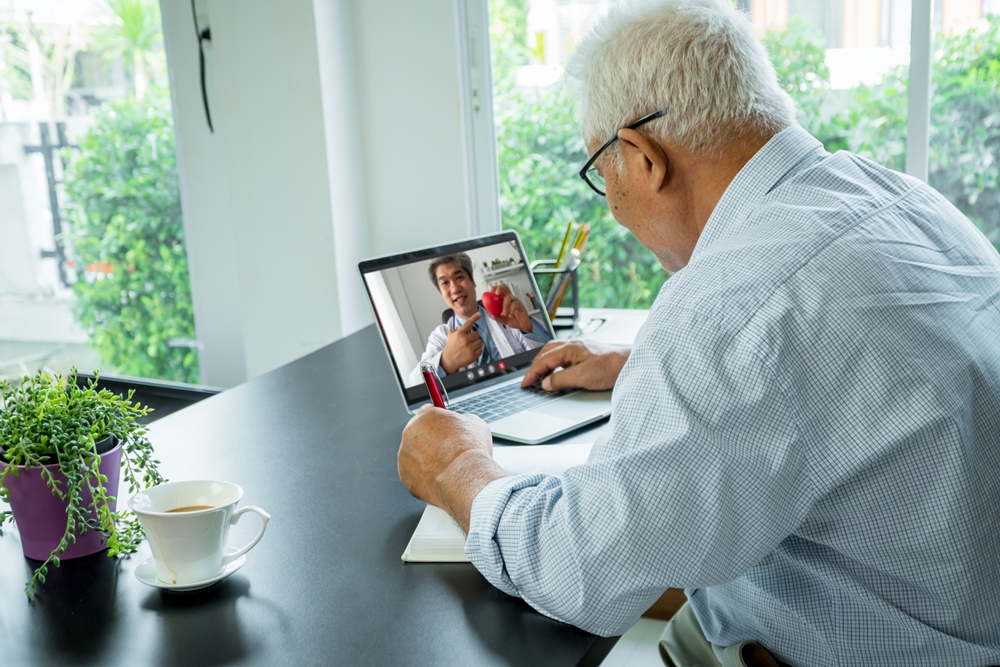
Participants assigned to the telerehabilitation programme will complete six weeks of therapy, with 70-minute sessions six days a week.
A licensed therapist will supervise three sessions each week through video conferencing, while participants complete the others independently.
The programme includes 35 interactive computer games designed to practise different aspects of arm movement, including speed, range of motion, grip strength and motor control.
Participants will also use equipment such as resistance bands and light weights to build strength through repeated movements.
Those assigned to the control group will continue receiving the therapies recommended by their medical teams. They will be offered telerehabilitation after completing the study procedures several months later.
The programme also accommodates people with post-stroke aphasia, a condition affecting language, by incorporating images and videos into its games and exercises.
In an earlier study, Cramer compared a high-intensity home-based programme with established in-clinic rehabilitation programmes. Both approaches produced improvements in arm movement.
Researchers also examined whether those gains helped people become more independent in daily activities.
Using a standardised disability scale measuring people’s ability to perform everyday tasks, including eating and dressing, they found that 40 per cent of participants who completed six weeks of daily home-based telerehabilitation showed measurable improvements.
Cramer said: “People appreciate getting arm movement back, but at the end of the day, what really matters is, are they more functional? Is the disability reduced?”
One participant in the earlier research was Los Angeles resident Kathy Ohtomo, who experienced a stroke in 2021 at the age of 50, leaving her with paralysis in her left arm.
After two weeks of inpatient rehabilitation, she immediately began the home-based programme.
“It helped me a lot and it was so convenient to do it at home,” Ohtomo said.
“The games were fun and they kept me motivated and diligent because I was seeing improvement.”
Researchers believe rehabilitation at home may offer benefits beyond convenience by encouraging patients to use newly developed movement skills in everyday activities.
Cramer said: “When patients do their rehabilitation therapy at home, they’re more likely to use their new gains when approaching real-world tasks, such as picking up a fork or putting on their socks.”
The research also comes amid concerns about access to ongoing stroke rehabilitation in the US.
According to Cramer, most people recovering from stroke receive little or no outpatient therapy. Those who do access treatment generally receive it for only a few weeks.
Approximately half of stroke patients return directly home after their hospital stay, where they do not have access to daily therapist-led exercises designed to develop new movement skills.
The team hopes the Phase 3 trial will provide evidence to help change standard rehabilitation practice and improve access to treatment.
Cramer said: “We’re just trying to ensure that this population has maximum access to the care that they need and deserve.”