Preventing brain injury
Stopping injury before it happens, from concussion in sport to falls, road safety and stroke risk.
 Research25 Apr
According to new research, intensive blood pressure treatment can significantly lower the risk of adverse cerebrovascular events such as stroke. This study is a follow-up analysis of the Systolic Blood Pressure Interventional Trial (SPRINT), a multicentre clinical trial that compared intensive systolic blood pressure control (target less than 120 mm Hg) versus standard control (target [...]
 Stroke13 Apr
'Interventions to improve sleep may also reduce the risk of stroke,' say researchers
- Research23 Mar
A new study has discovered that by walking an extra 500 steps a day, you can reduce your risk of stroke by 14 per cent. Lead researcher of the study, Erin E. Dooley, ph.D, says: “Steps are an easy way to measure physical activity, and more daily steps were associated with a lower risk of [...]
 Brain injury13 Mar
Travel can exacerbate symptoms and lead to longer recovery times, new study of rugby players reveals
 Brain injury13 Mar
New range of helmets depicting brain scans after collisions gives graphic reminder of potential dangers
- Stroke8 Mar
Dental researchers at Newcastle Dental Hospital have teamed up with researchers at Edinburgh Napier University to conduct a trial that could identify those with a stroke risk factor that often goes undiagnosed. The dentists and dental students will soon start monitoring patients foratrial fibrillation (AF). This comes after recent research which suggests a link between [...]
 Brain injury8 Mar
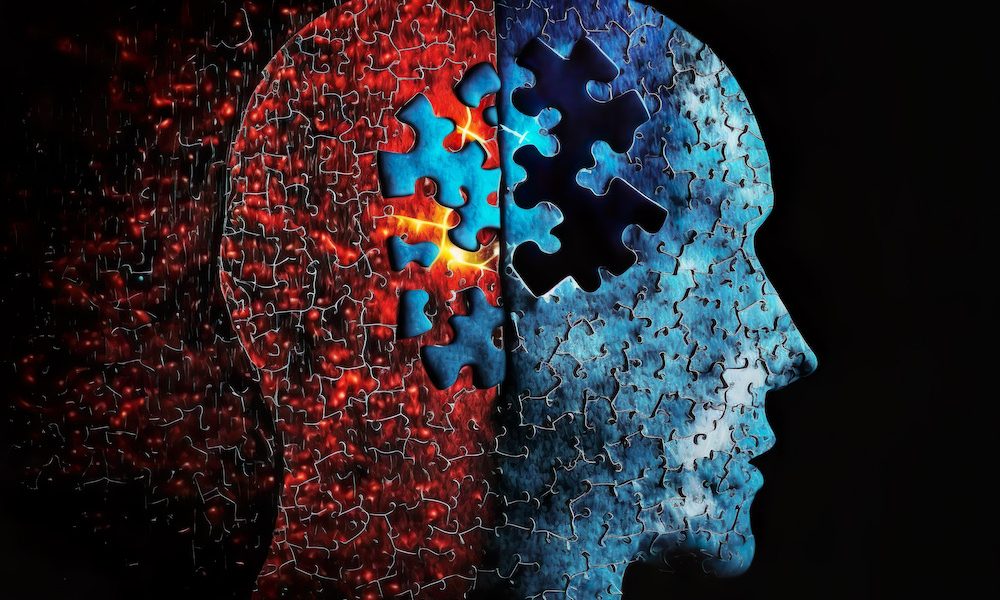
Peter Schueler shares the findings of the International Traumatic Brain Injury Research (InTBIR) initiative.
 Concussion6 Mar
While some regard the FDA-authorised Q-Collar as a revolutionary brain injury prevention tool for athletes, some scientists are sceptical about its true efficacy. NR Times reports. A growing number of professional athletes, mostly American football players, have been seen wearing a novel device around the neck. It is said to reduce the risk of head trauma in contact sports, but the device has stirred up controversy as sceptical scientists call into question the theories behind the technology. According to the Centres for Disease Control and Prevention, from 2006 to 2014, the number of TBI-related emergency department visits, hospitalisations and deaths in the US increased by 53 per cent. Over time, repeated knocks to the head - even those that do not cause a concussion - can lead to a serious condition known as chronic traumatic encephalopathy (CTE).
- Research1 Mar
A study led by researchers at the University of Cambridge say that one in ten early deaths could be prevented if everyone managed at least half the recommended level of physical activity. The study, published in the British Journal of Sports Medicine, the researchers say that 11 minutes a day (75 minutes a week) of [...]
- Stroke21 Feb
The virus that made the world stand still in 2020 has shown to raise the risk of a major adverse cardiovascular event, including stroke, according to a new study. The study suggests that those with COVID-19 are 55 per cent more likely to have a cardiovascular event like stroke, than those without COVID-19. The virus [...]