



Smarter rehab
Technology such as VR, robotics, apps and brain implants, adopted where it helps.
 Spinal injury19 Aug
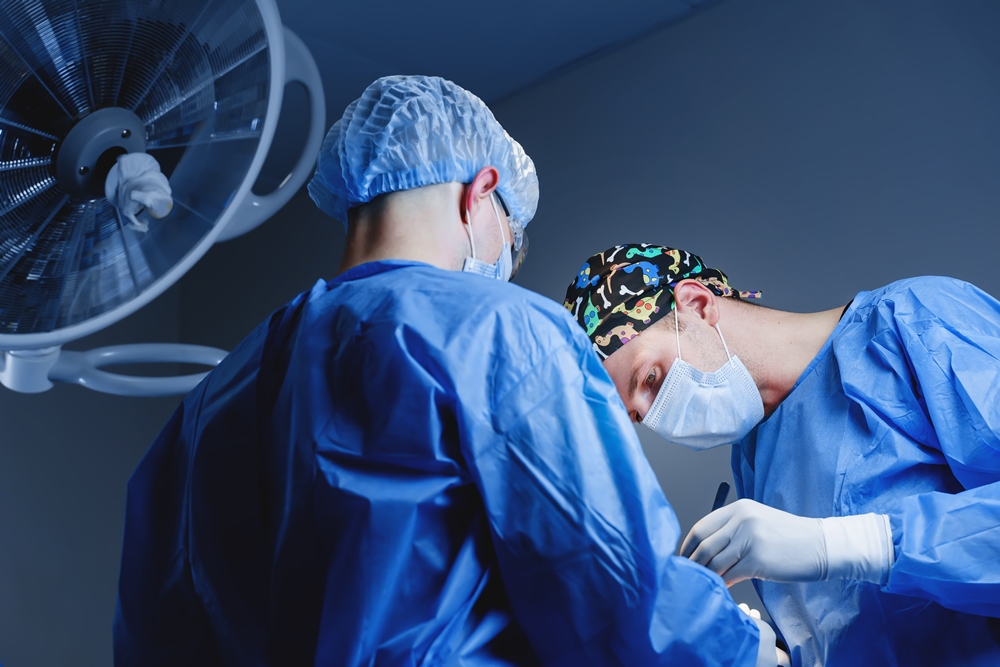
A flexible device may help restore multiple functions after spinal cord injury by interpreting signals linked to movement, sensation and organs. The device wraps around the spinal cord and can interpret several types of signals at once. Preclinical studies found the device could accurately detect signals associated with intended movement, distinguish sensory information and identify [...]
 Brain injury18 Aug
By Natalie Mackenzie, BIS Services A few years ago, I wrote a book. Not the kind you curl up with, but the kind that sits on a rehab shelf, or in a therapy room, and helps someone make sense of one of the most misunderstood parts of life after brain injury: fatigue. Those working in [...]
 Tech & industry17 Aug
Brain state may help predict how people with epilepsy respond to electrical stimulation, a study suggests. Researchers found that the same electrical stimulation could have markedly different effects depending on patterns of brain activity immediately beforehand. The results suggest that timing treatment according to a patient's current brain activity could make neuromodulation more consistent. Neuromodulation [...]
 Stroke11 Aug
A spinal implant helped seven stroke survivors improve arm and hand mobility during a four-week pilot clinical trial, researchers found. Participants had profound movement impairments and received electrical stimulation alongside less than nine hours of painless movement training. All seven experienced improvements regardless of their initial level of mobility. The University of [...]
 Stroke31 Jul
Smart home sensors may help flag stroke risk in older people living alone by detecting changes in daily behaviour, a South Korean study suggests. The AI-powered system used contactless Internet of Things sensors to identify behavioural patterns linked to a higher risk of stroke. Researchers said monitoring these changes could support earlier detection among older [...]
 Multiple sclerosis30 Jul
An eight-year £2.72m AI project aims to improve personalised MS care by learning from information already collected in hospitals. The Wellcome-funded Data-driven Representation Learning for Equitable, Personalised Care in Multiple Sclerosis project, known as DreaMS, will develop AI tools to make better use of decades of existing hospital data. The project will [...]
 Parkinson's20 Jul
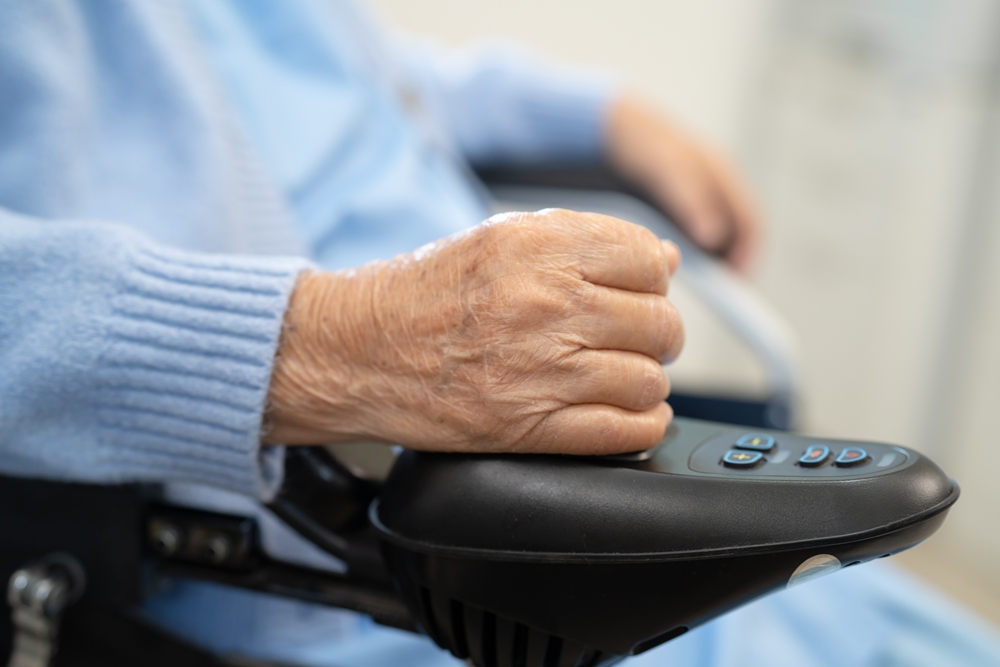
A stamp-sized tear sensor could help detect Parkinson’s disease before major symptoms appear, researchers say. The device is designed to detect dopamine, a brain chemical involved in movement, motivation and mood, using only a person’s tears. The findings suggest tears could offer a needle-free way to help identify Parkinson’s disease and other conditions linked to [...]
 Brain injury16 Jul
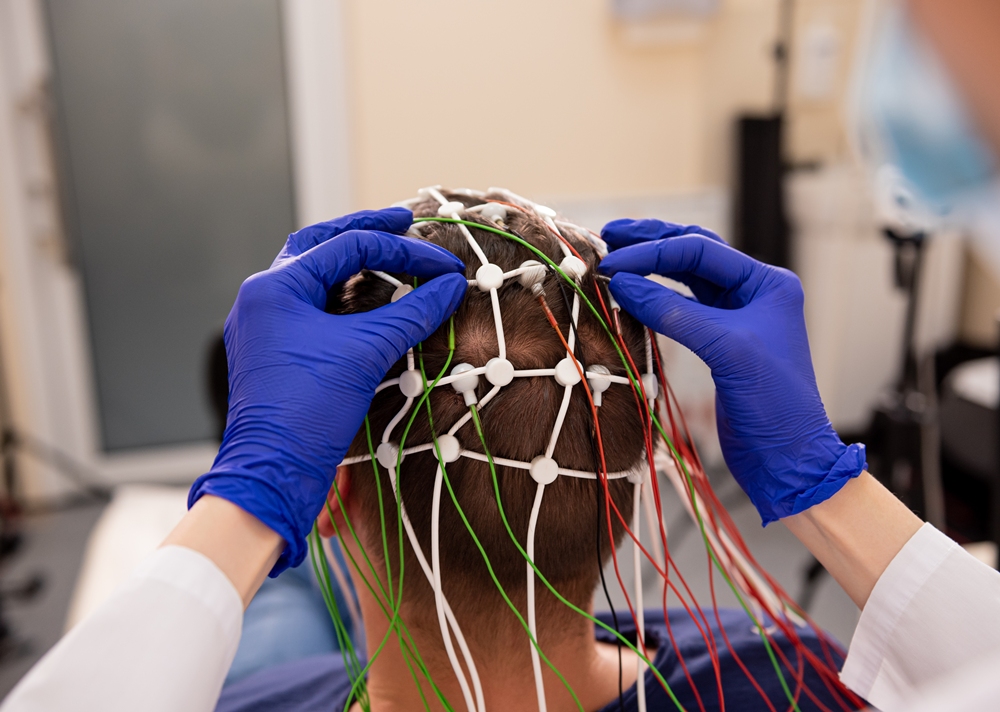
Brain-computer interface (BCI) training may help improve cognition in people with Parkinson’s disease, MS, dementia and traumatic brain injury, a study suggests. The approach uses feedback from electrical activity in the brain and was linked to improved perception of small visuomotor errors. The study indicated that participants were able to adjust their brain electrical activity [...]
 Brain injury24 Jun
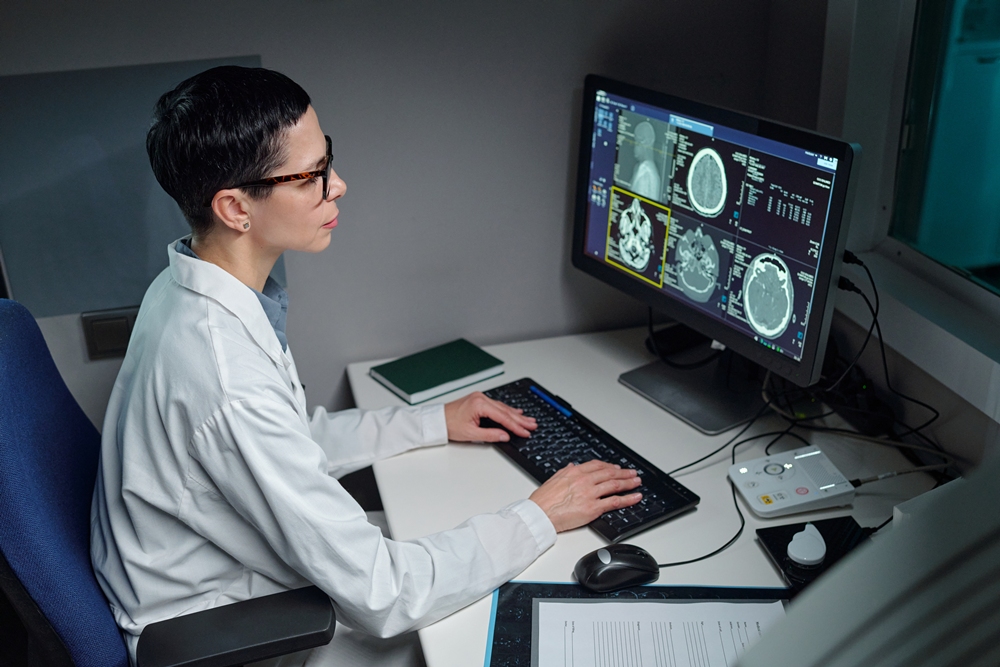
A light-based sensor can detect head injury biomarkers at extremely low levels and could help doctors make faster diagnoses and treatment decisions. The chip-based technology uses a metasurface, an ultra-thin material patterned with tiny features that manipulate light in ways conventional lenses cannot. Coating a metasurface with antibodies that bind to specific target molecules allows [...]
 Stroke23 Jun
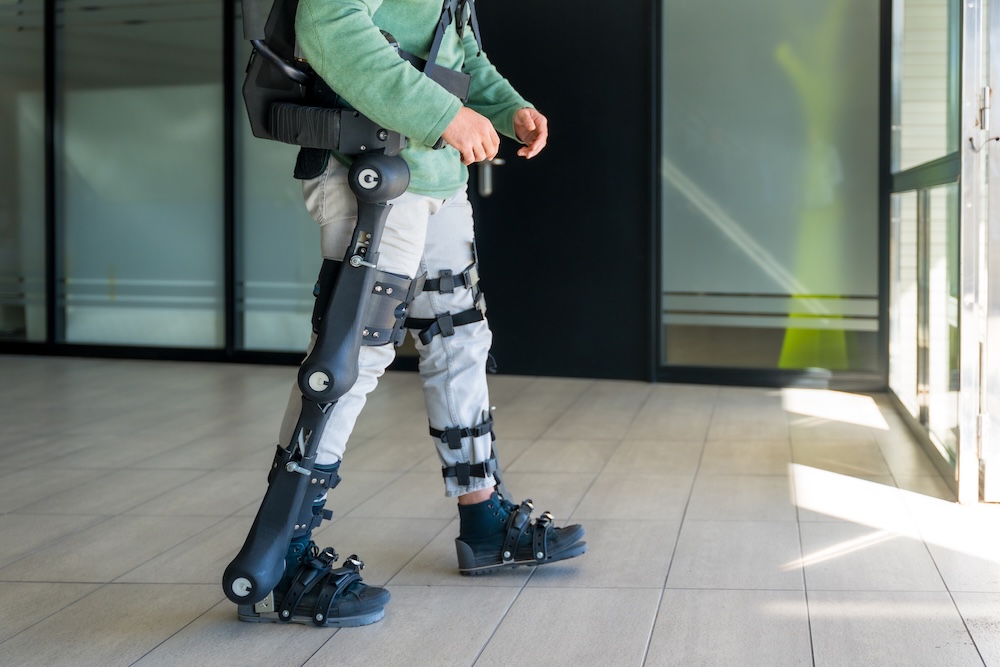
Linked robotic exoskeletons could improve stroke gait training by allowing therapists and patients to influence each other’s movements in real time, new research suggests The system links two wearable robotic devices, allowing a therapist to guide a patient’s hip and knee movements using their own legs. In evaluations involving eight stroke survivors, participants showed greater [...]


