



News ›
News
The latest news from across neurorehabilitation.
 Patient stories11 Dec
Having lived with a serious brain injury from the age of seven, Jamie has rebuilt his life and is committed to enjoying every single day, supported by a team of specialists around him. NR Times learns more.
Jamie lives every day to the full. Having lived with a severe brain injury since the age of seven, when he was involved in a road traffic accident, Jamie has rebuilt his life beyond all expectations. He has developed a love of boxing, which is helping him progress both physically and emotionally, which has proved the perfect solution to his loves of sport and being active. Brain injury10 Dec
Fruit flies have helped researchers in the US better understand the impact of small brain injuries on the nervous system.
Scientists from Oregon Health & Science University (OHSU) used the flies to examine how damage to a small amount of neurons can cause a chain reaction across the brain, stopping activity in neurons that were uninjured. Research10 Dec
Pasta sauce, ketchup and soup are all tasty uses for tomatoes - but according to new research the fruit has the potential to help Parkinson’s patients through its unique ability to carry a critical chemical.
Scientists from the John Innes Centre in Norwich have developed a genetically modified tomato which is rich in the drug L-DOPA - one of the most common treatments for Parkinson’s disease (PD). Brain injury10 Dec
The creator of the world’s first smartphone-operated pedestrian crossing has now devised the means to revolutionise the customer service experience for people with disabilities through the launch of a new app.
Gavin Neate has created WelcoMe, which enables people to contact businesses in advance of their visits to alert them to their visit and any special requirements they may have. The app also provides businesses with information about the person’s disability or condition, enabling them to be fully prepared to welcome them and deliver the best possible customer service. Care & services9 Dec
The Sue Ryder Neurological Care Centre Lancashire opened, after years in the planning, during the height of the COVID-19 pandemic. Centre director Terry Mears and neuro rehab lead Hannah Halliwell share their experience of such a difficult, yet rewarding, time.
Opening a new specialist neurological care and rehab centre is a seismic task in any climate - but to do so at the height of the COVID-19 pandemic is probably a feat few would attempt. But having been badly wanted and needed in its area for over 15 years, and after an 18-month construction and development project, the Sue Ryder Neurological Care Centre Lancashire opened its doors to patients in April. News9 Dec
NR Times reports on a new SMART assessor online training course coming up early in the New Year.
The SMART (Sensory Modality & Rehabilitation Technique) is a standardised investigative and assessment tool specially designed for patients with prolonged disorders of consciousness (PDoC) SMART is recommended as a tool of choice in the Royal College of Physicians (RCP) Guidelines 2020. A new four-and-a-half-day online training course will run in February, aimed at senior neurological clinicians (AHPs, clinical psychologists, nurses, and doctors). The course runs on 3rd to 5th and 11th and 12th of February 2021. It will enable delegates to meet the person specification for PDoC assessors as outlined in the RCP guidelines. Stroke8 Dec
Students have been supporting stroke patients in their recovery during the COVID-19 pandemic through supporting them with physiotherapy sessions online.
With significant pressure on NHS resources during the peak of the pandemic, many non-urgent appointments were cancelled, which meant many patients going without consultation for many months. Research has predicted that withdrawing or offering only skeleton cardiac rehab services is likely to lead to a 30 per cent rise in unplanned hospital admissions, which can impact on quality of life and mental health. Case management7 Dec
The importance of research in case management is being promoted with the launch of a new initiative.
The Journal Club, launched by CMSUK, is encouraging case managers to engage with research as a way to increase their depth of knowledge, helping to develop their specialism and expertise further still. Case managers will be encouraged to read research papers and other evidence in key areas of work, with The Journal Club providing a forum for discussion and analysis, as well as support in analysing and interpreting documents. The Journal Club, set to be launched next month, is a first-of-its-kind initiative, which builds on CMSUK’s commitment to supporting research.
Eky Popat, of BIS Services, on supporting people with brain injury in the daunting world of online dating.
Isolation, loneliness, lack of social interaction and intimacy – the social norm following the Pandemic, right? Even more so for the vulnerable like individuals living with a Brain Injury living independently in the community. The dating scene has always been an extremely daunting and challenging step with individuals battling loss of self, low self-esteem, and then on the other side of the spectrum egocentric, inappropriate behaviours, and disinhibition. What this pandemic has quickly shown us is that social interaction and relationships - what seems a distant memory is the backbone of a sense of belonging.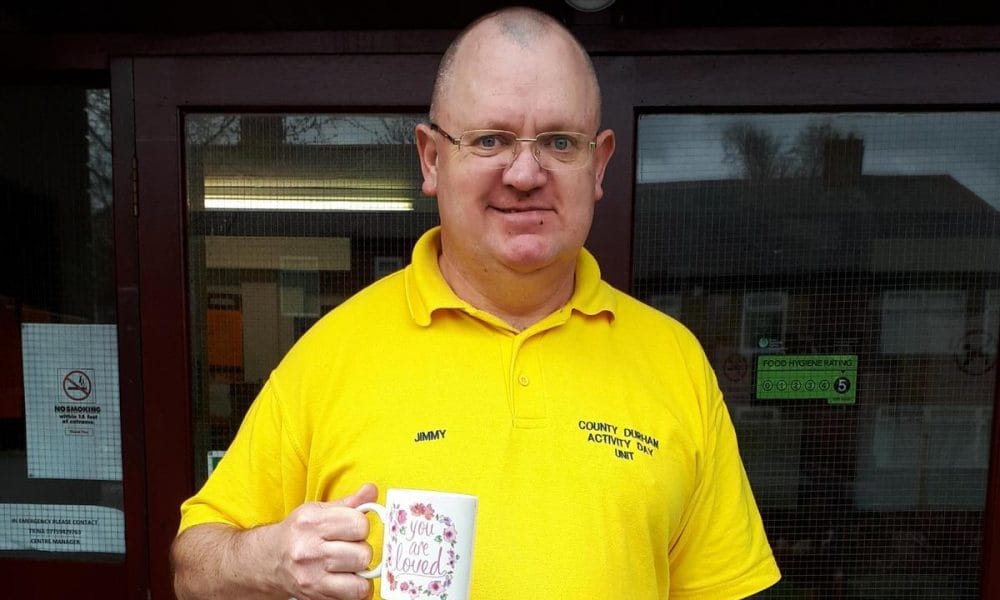 Brain injury4 Dec
NeuroActiveUK was established after the lack of specialist support became clear when Jimmy Gustard was diagnosed with a brain tumour. Founder Debra Mitchell discusses how the charity is providing vital services to brain injury survivors, and how its work is being done as an ongoing tribute to its inspiration. A charity and community service established [...]


