



News
The latest news from across neurorehabilitation.
 Legal & policy1 May
Individuals who have suffered a traumatic brain injury or other serious injury are of course vulnerable especially in the current climate. If a traumatic event has caused the injury, friends may slowly drift away and social isolation becomes problematic. There are some fantastic support groups for those with brain injury, such as, for example, Headway. Headway has a national branch and many local groups and branches to support those with an acquired brain injury. Irwin Mitchell has a unique offering of client liaison managers. They are nurses, occupational therapists and social workers by background. They support our clients throughout litigation before liability (fault) can be established.
 News1 May
They will support doctors, families, other clinicians and health service commissioners to ensure that everyone is aware of their legal and ethical responsibilities. The guidelines come from the Royal College of Physicians and are endorsed or supported by a further 15 health bodies. They offer updated guidance on the diagnosis, assessment, care and management of patients with PDOC.
 News27 Apr
Swedish scientists have succeeded in restoring mobility and sensation of touch in stroke-afflicted rats by reprogramming human skin cells to become nerve cells. The nerve cells were then transplanted into the part of the rat’s brain most often damaged by the stroke. Professor Zaal Kokaia of Lund University says: “Six months after the transplantation, we could see how the new cells had repaired the damage that a stroke had caused in the rats’ brains.”
 News26 Apr
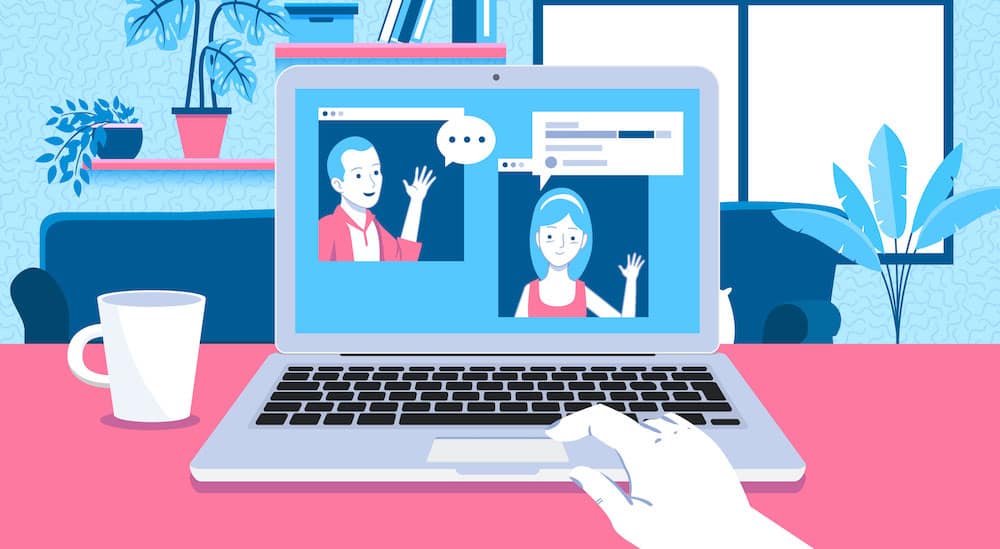
During the crisis, community rehab teams are less able to do home visits, so to ensure patients continue to receive high quality support, the UCL Centre for Neurorehabilitation in London plans to deliver all stroke rehab remotely. The centre, which works alongside the UCLH National Hospital for Neurology and Neurosurgery (NHNN), is being supported by funds from the brain injury charity Same You.
 News26 Apr
Staff at Mount Sinai Hospital have reported a sevenfold increase in incidence of sudden stroke in patients in their 30s and 40s over the last fortnight. Neurosurgeon Thomas Oxley told the press that he and his colleagues had seen some younger coronavirus patients with mild or no symptoms experiencing large-vessel strokes. The findings will be published this week in the New England Journal of Medicine.
 Tech & industry25 Apr
The rise of online content services has revolutionised TV viewing and music consumption in recent years. And in neuro-rehab too, it is changing approaches and patient interactions. Leading the way in this new world order is NeuronUP – an online platform which is helping rehabilitation professionals across the globe to drive better outcomes from their patients. The tool features more than 10,000 activities, classified into 40+ different cognitive processes and areas of occupation; with new materials released every fortnight.
 Tech & industry24 Apr
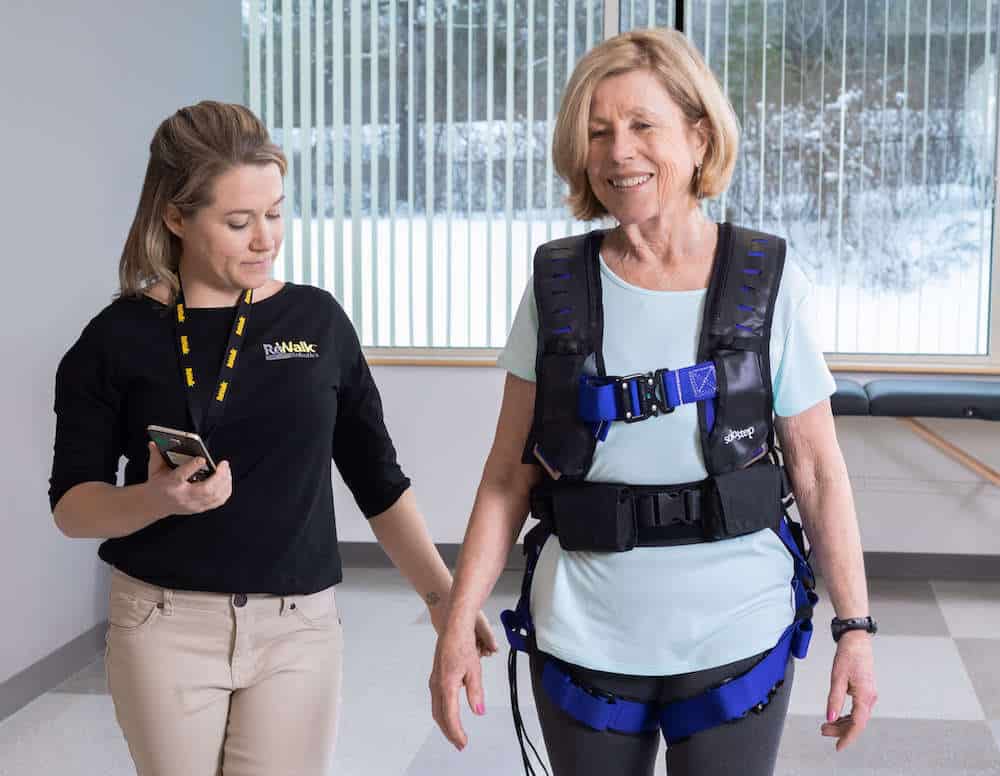
There is a drive for experienced clinicians to utilise their skills and available equipment to help our clients reach their goals. We are always looking at trialling and implementing systems into our practice that we feel will benefit our clients the most. Recently, Stephen Ruffle from ReWalk Robotics spent the day at STEPS providing the team with a training session to outline and demonstrate the capabilities of the Restore system. Stephen was very knowledgeable and passionate about the product and was able to answer all of our questions about the device. The benefits and systems of the device are clearly stated online on the ReWalk website.
 Opinion24 Apr
Factors that likely influence rehabilitation potential and recovery and predictions of the same include previous abilities, age at onset/injury, individuality, drive, underlying motivation, health, support, environment, the exact nature of injury and the exact nature of individual pre-morbid neurology. Other influencers include our understanding of the brain, how it works, how it repairs and how it responds in the short, medium and long term after injury. Alongside our developing but yet still poor understanding of how exactly treatments and therapies work, even where we ‘know’ that they do, it is therefore impossible to pinpoint and prescribe a very exact treatment or approach for a specific individual's neurology, type of insult and likely natural recovery.
 News24 Apr
William Wordsworth urged to the world to “come forth into light, let nature be your teacher”. He was obsessed with the natural world’s power to help, heal and nourish. Surely then, the lake poet would have approved of the owners of his old Cumbrian bolt hole. For they are also channelling the power of nature, in the name of rehabilitation.
 Tech & industry24 Apr
COVID-19 could spark a cultural renaissance, according to some in the art world. Artists thrive on isolation, BBC arts chief Jonty Claypole points out, and therefore an explosion of new work could emerge from current conditions. The spirit of renaissance – meaning ‘rebirth’ in French – might also course through our workplaces. Kitchen tables, spare bedrooms and garden sheds are among the many residential quarters to have been commandeered by home workers recently.


