



Clinicians & therapists
For doctors, nurses, therapists and psychologists.
 Research24 Jun
Women exposed to physical abuse in domestic violence can face serious mental health issues that persist for decades after the abuse has ended, new research has revealed. Around 30 per cent of women globally will experience intimate partner violence—commonly referred to as domestic violence—at some point in their lives. This can include physical abuse that [...]
 Brain injury20 Jun
Writing letters to loved ones as they were before their brain injury may help families understand and cope with the complex grief that often follows, researchers have found. A pilot study explored how a structured writing exercise could support families dealing with “ambiguous grief” – a form of grief experienced when someone is physically present [...]
 Neuropsychology20 Jun
New Government guidance requires all health and care staff to complete training on supporting people with learning disabilities and autistic people. The Oliver McGowan code of practice sets out the standards providers must meet to comply with legal duties under the Health and Care Act 2022. The training aims to tackle health inequalities experienced by [...]
 Spinal injury20 Jun
Personalised electrical stimulation may improve movement recovery in people with spinal cord injuries, early findings suggest. A study involving five participants found that adjusting the location, strength and type of stimulation produced stronger muscle responses than standard, uniform approaches. The research, from Thomas Jefferson University’s Raphael Center for Neurorestoration, investigated transcutaneous spinal cord stimulation (tSCS). [...]
 Neuropsychology19 Jun
A teacher who has dedicated his entire career to helping inspire young people with severe mental health conditions has won a national teaching award. Ian Bradley has worked at the Children and Adolescent Mental Health Service (CAMHS) College based at St Andrew’s Healthcare for 18 years. Chosen from thousands of nominees, Ian has been named [...]
 Research18 Jun
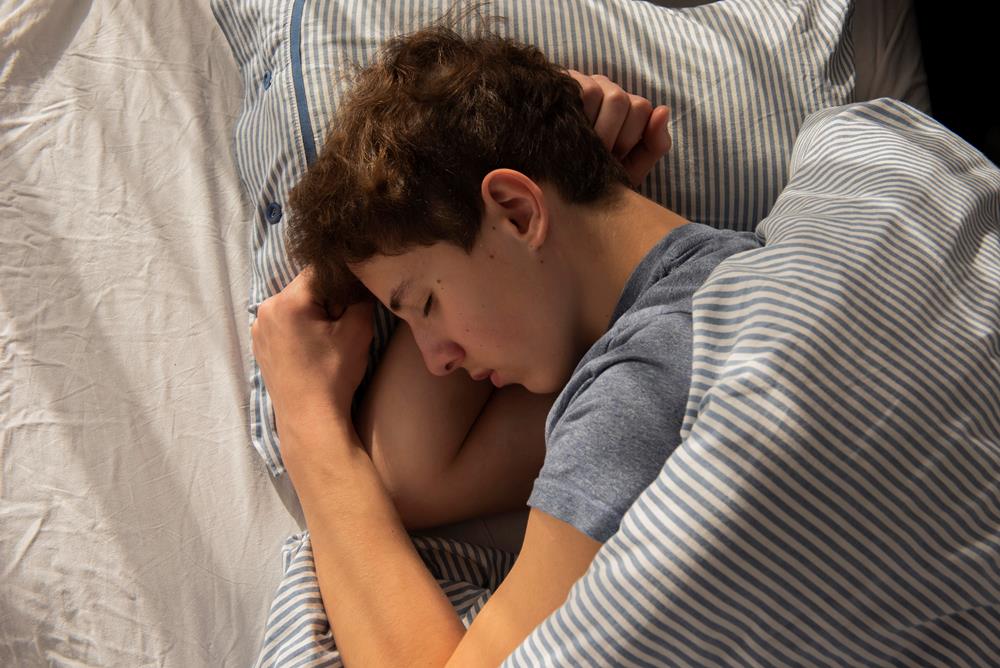
Irregular sleep patterns during adolescence may alter how the brain responds to prenatal risk factors linked to conditions such as schizophrenia and autism, new research in mice suggests. The study found that circadian rhythm disruption – when the body’s internal clock is out of sync – can influence memory, anxiety, social behaviour and gene activity [...]
 Research17 Jun
Eating five cups of fruit and vegetables during the day may significantly improve sleep quality that same night, according to new research. The study is the first to show a time-based link between what people eat during the day and their objectively measured sleep that night. Sleep fragmentation – when a person wakes frequently or [...]
 Research16 Jun
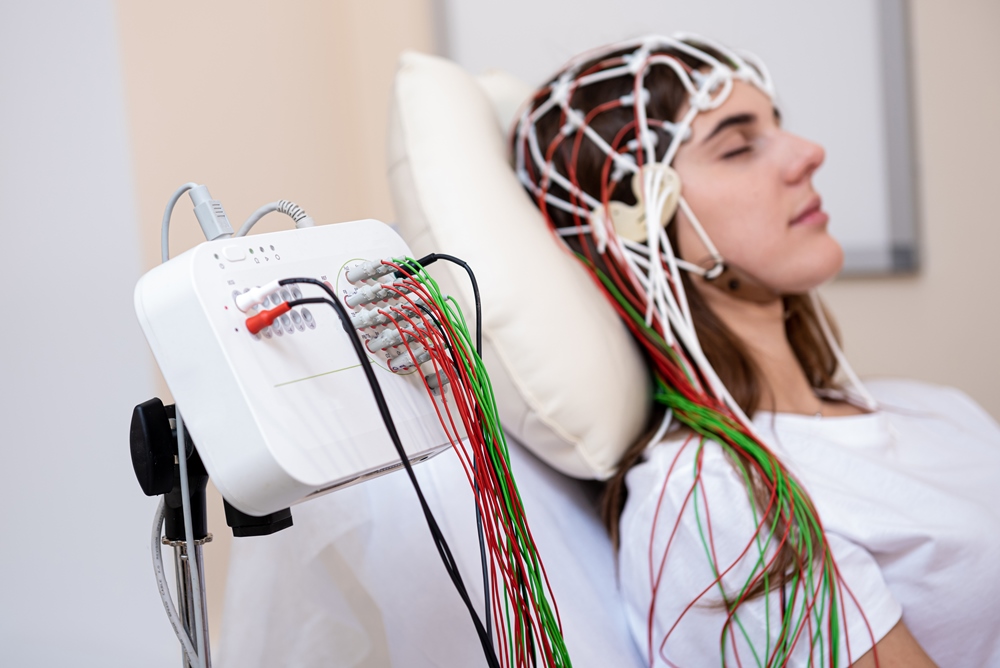
People with severe depression who received electroconvulsive therapy (ECT) were 34 per cent less likely to die by suicide than those treated with standard alternatives such as antidepressant medication, a major international review has found. The meta-analysis – which combines and analyses data from multiple earlier studies – also showed a 30 per cent reduction [...]
 Stroke16 Jun
A class of drugs currently used to treat cancer may also help stroke patients recover by protecting neurons and limiting damage following a stroke. Known as HDACi (histone deacetylase inhibitors), these drugs work by altering gene expression in microglia – the brain’s immune cells – following stroke. Instead of driving damaging inflammation, HDACi appear to [...]
 Spinal injury13 Jun
A new therapy combining electrical nerve stimulation with physical rehabilitation has led to significant improvements in arm and hand function for people with spinal cord injuries. The treatment, known as closed-loop vagus nerve stimulation (CLV), uses a small device implanted in the neck that delivers electrical pulses to the brain during targeted rehabilitation exercises. Researchers [...]


