A new white paper has proposed a neuroprotective diet for life long brain health xbased on a detailed analysis of clinical studies comparing new methods of blood testing and nutrient biomarkers to existing brain health diets.
The paper aims to address opportunities in current brain health-focused diets, which often exclude omega-3 fatty acids and overlook the harmful effects of high sodium intake, both critical factors for maintaining brain health at all ages.
For the white paper, 250 clinical studies on dietary patterns, the role of antioxidants and anti-inflammatory compounds, and the impact of specific nutrients on brain function were reviewed.
Key findings from the white paper include that diet and lifestyle factors may account for up to 80 per cent of health outcomes; 45 per cent of dementia cases could potentially be prevented or delayed by targeting modifiable risk factors; nutrient delivery is critical to maintaining cognitive health; and, that the brain-gut axis plays a crucial role in cognitive health, with microbiome composition significantly influencing brain function and neurodegeneration.
The neuroprotective diet
The paper has recommended a number of foods to encourage or limit for brain health.
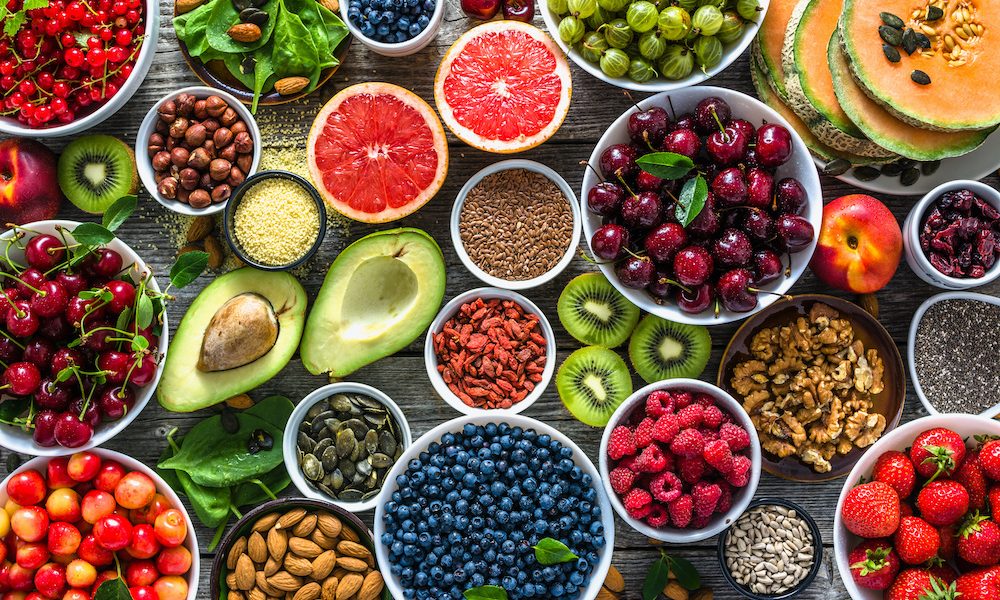
Foods to be encouraged for life long brain health include green leafy vegetables, berries, and whole grains, beans, legumes and nuts, fish rich in omega-3 fatty acids, plant-based proteins and healthy unsaturated fats.
Foods that should be moderated include meats, eggs, dairy, potatoes and alcohol.
Finally, foods that should be limited include sweets, fast and fried foods, processed and refined grains, sodium and saturated fats and oils.
The paper states: “By identifying underrepresented but critical nutrients, we move toward a new neuroprotective diet designed to reduce risk of cognitive decline and enhance brain health, laying the foundation for an advanced nutritional model supporting cognitive resilience and overall wellbeing.
“Based on our research and analysis, the recommended hypothesis for brain health is based on the identification of specific dietary patterns and nutrients that are strongly associated with cognitive protection and the prevention of neurodegenerative diseases.
“Building on this hypothesis, our neuroprotective diet leverages these key dietary elements in a structured, evidence-based approach.”
“What’s on your plate matters for your brain health,” said Marc Plumart, chief growth and commercial officer of Sodexo, which created the white paper in partnership with the Global Brain Health Initiative by Social Impact Partners.
“The future of brain health lies at the intersection of nutrition and neuroscience because what we eat every day matters,” said Social Impact Partners founder and chairman, Sarah Hoit.
“We believe that by implementing sustainable, evidence-based dietary practices, we can unlock the transformative power of food to nourish minds and support cognitive well-being across the lifespan.”
“We set up a framework and reviewed the scientific literature, ranging from cell models where nutrient effects were studied to large population studies where people were asked how frequently they consumed a particular food, to studies of nutrient biomarkers and their combinations,” said research lead Dr. Gene Bowman, at Massachusetts General Hospital.
“We were surprised to learn that the outcome of the effort was something novel, a ‘neuroprotective diet’ that should make all the key nutrients readily available to the brain for consumption. It is hypothetically neuroprotective and should be tested much like the MIND diet was clinical trial tested.”