



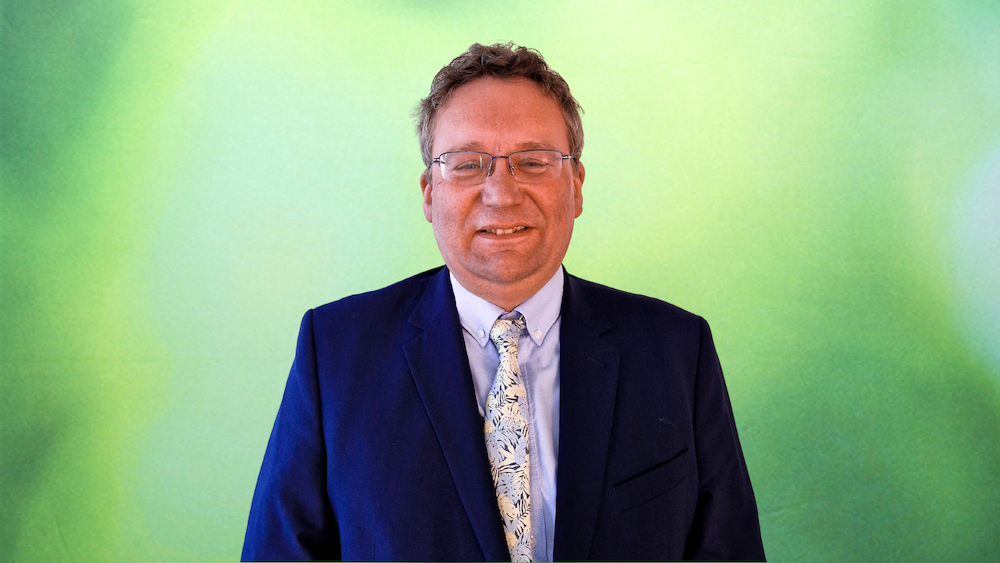
Mark Howarth, a partner at Simpson Millar specialising in brain and spinal cord injury claims, discusses what makes these cases so complex, why the right lawyer and MDT matter and shares the career highlights that have stayed with him most.
What makes brain and spinal cord injury claims different from general personal injury claims?
Brain and spinal cord injury claims are often more complex because of the severity of the injuries and the lifelong impact they can have.
For me, it is never simply about assessing the injury itself. It is about understanding the person, what their life looked like before the injury and what they may need to live as independently and fully as possible in the future.
These cases often involve a wide range of medical and rehabilitation professionals, but the client must remain at the heart of every decision. Ultimately, any settlement needs to reflect their individual needs and provide the right support for the long-term.
How important is it for clients to appoint a lawyer who specialises in brain and spinal injury claims?
It is extremely important. These are complex claims and there can be a great deal at stake for the injured person and their family.
A specialist serious injury lawyer needs to understand much more than the legal process. They need to understand rehabilitation, capacity, care, case management and how to bring together the right multidisciplinary team around a client.
Just as importantly, they need to get to know the person they are representing. Every client and every family is different, and understanding what matters to them is a huge part of achieving the right outcome.
It is also about looking beyond the final settlement. Early access to rehabilitation, treatment and support can make a real difference to somebody’s life while the claim is still ongoing.
Could you share an example of a particularly challenging case, and how you overcame the obstacles to achieve a positive outcome for your client?
One case that stands out involved a client who sustained a catastrophic brain injury when the car he was travelling in left the road and collided with a tree.
Although liability was eventually admitted in full, the claim itself was extremely complex. My client experienced significant cognitive, behavioural and emotional difficulties, and tragically lost both of his parents after leaving rehabilitation.
Understandably, this had a profound impact on his mental health.
There were times when he found it very difficult to engage with treatment and assessments.
We had to be patient, adapt our approach and work closely with his Court of Protection Deputy, case manager, healthcare professionals and the defendant’s experts to keep things moving while making sure his needs came first.
I ultimately secured a £7.5 million settlement for him, providing for his lifelong care, treatment, suitable accommodation and support with managing his finances.
For me, the most important thing was knowing that we had put something in place that could give him greater stability, protection and quality of life for the future.
Can, and should, a client change their lawyer if they are unhappy with how their case is progressing?
Yes. A client is absolutely entitled to change solicitors if they are unhappy with how their claim is being handled.
Serious injury claims can last for several years, so the relationship between a client and their lawyer really matters. Clients should feel listened to, understand what is happening with their case and trust that the person representing them genuinely has their best interests at heart.
Changing solicitors can feel daunting, particularly after a claim has already been running for some time, but nobody should feel they have to remain with a legal team they have lost confidence in.
What do you look for when appointing or working with members of an MDT?
Relevant experience is very important. I want to know that somebody understands the particular injury and has experience of working collaboratively as part of a multidisciplinary team.
But personality and compatibility with the client are just as important to me.
You can have somebody who is exceptional in their field, but if the client does not feel comfortable with them or there is no trust between them, it can be much harder for rehabilitation to work.
The best teams are those that communicate openly, understand each other’s roles and remain focused on what the client wants and needs from their recovery.
How vital a role can the right MDT play in a client’s recovery and overall outcome?
It can be absolutely vital. The right team can make an enormous difference, but rehabilitation has to be something everyone is part of, particularly the client.
You can put excellent clinicians and therapists in place, but if the client does not feel comfortable with the team or cannot engage with the rehabilitation plan, the outcome may still be limited. That is not necessarily a reflection on the quality of the professionals involved.
For me, it comes back to understanding the individual.
The strongest outcomes tend to happen when everyone is working together, the client feels listened to and there is a genuine sense that the whole team is pulling in the same direction.
What have been your career highlights so far?
Some of the cases I am most proud of are the ones where, over time, you build a genuine relationship with a client and their family.
One that particularly stands out involved a client with functional neurological disorder and pre-existing learning difficulties.
The claim lasted more than ten years and, during that time, the client and their family went through some incredibly difficult periods.
When you work with somebody for that long, you get to know far more than the details of their legal case. I became very close to the client and their family, and by the end it genuinely felt as though I had been on that journey with them.
I ultimately secured a £2.5 million settlement, but the figure is not what makes that case a career highlight for me.
It was knowing how much they had been through, how far we had come together and that the outcome would give them greater security and support for the future.
Those are the cases that stay with you.
What do you enjoy doing outside of work?
Outside of work, I love spending time outdoors and getting out into nature, particularly in the Lake District whenever I get the chance. I also enjoy growing my own fruit and vegetables.
Most importantly, I love spending time with my daughter. Being a present and involved dad means a great deal to me, and some of my favourite time is simply being outdoors together, exploring and making memories.
When I’m not outside, I can often be found reading, particularly books on European history.
simpsonmillar.co.uk/our-people/mark-howarth/

 Southampton pub to be converted into care home


