Artificial intelligence, wearable technology and digital rehabilitation are among the innovations shaping the future of stroke care, with new research exploring how technology could improve emergency decision-making, track recovery and deliver more personalised treatment.
Recent developments also highlight the importance of understanding the biological processes behind stroke, as researchers look for better ways to predict outcomes and identify treatments that could improve long-term recovery.
NHS study to investigate AI in acute stroke care
A new £1 million research project led by University College London (UCL) will investigate how artificial intelligence is being used by stroke teams across England.
Funded by the National Institute for Health and Care Research (NIHR), the three-year STROKE-AID study will examine how clinicians use AI tools to support emergency decision-making, and whether they improve patient care, outcomes and cost-effectiveness.
AI tools are now used by every acute stroke team in England, but relatively little is known about how they influence clinical decisions in real-world settings.
Researchers will analyse NHS data and gather feedback from clinicians, patients and other stakeholders to understand how the technology is being implemented and where it can deliver the greatest benefits.
The findings are expected to help inform the effective use of AI across stroke services.
Wearable technology offers new insights into recovery
Researchers have developed a wearable technology-based tool that could provide a more detailed picture of how people recover arm function following a stroke.
The digital arm performance scale (DAPS), developed by a team led by researchers at the University of Massachusetts Amherst, uses wrist-worn accelerometers and machine learning to assess arm movement during everyday activities.
Published in Science Translational Medicine in September 2026, the research involved 61 people who had experienced a stroke within the previous six months, alongside 75 healthy participants.
By combining information from clinical assessments with thousands of hours of movement data, the researchers developed a system capable of tracking improvements in arm function.
The technology could help clinicians monitor recovery more frequently and identify smaller changes that traditional assessments might miss. It could also make clinical trials of new rehabilitation treatments more efficient by providing a sensitive measure of progress.
Digital rehabilitation shows promise for cognitive recovery
New research is also exploring how digital technology could help address the cognitive effects of stroke.
A randomised controlled trial published in Annals of Physical and Rehabilitation Medicine in November investigated Mindlenses Professional, a rehabilitation device combining prism adaptation glasses with tablet-based cognitive training games.
The study involved 60 people with stroke who received either the technology-assisted intervention or conventional paper-and-pencil cognitive rehabilitation.
Researchers reported greater and sustained improvements in several areas among participants using Mindlenses, including language, memory and hemispatial neglect, a condition in which people have difficulty recognising or responding to one side of their environment.
The results suggest that combining physical and digital approaches could offer new opportunities for personalised cognitive rehabilitation.
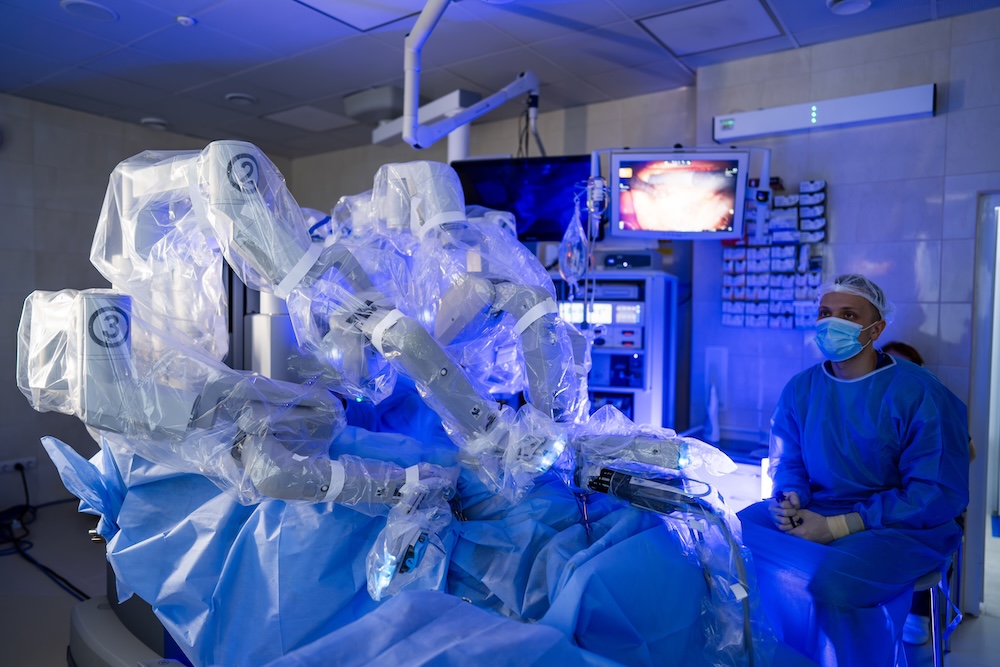 Remedy Robotics raises US$62m to develop remote stroke surgery robot