$22m Australian government programme to tackle military brain injuries
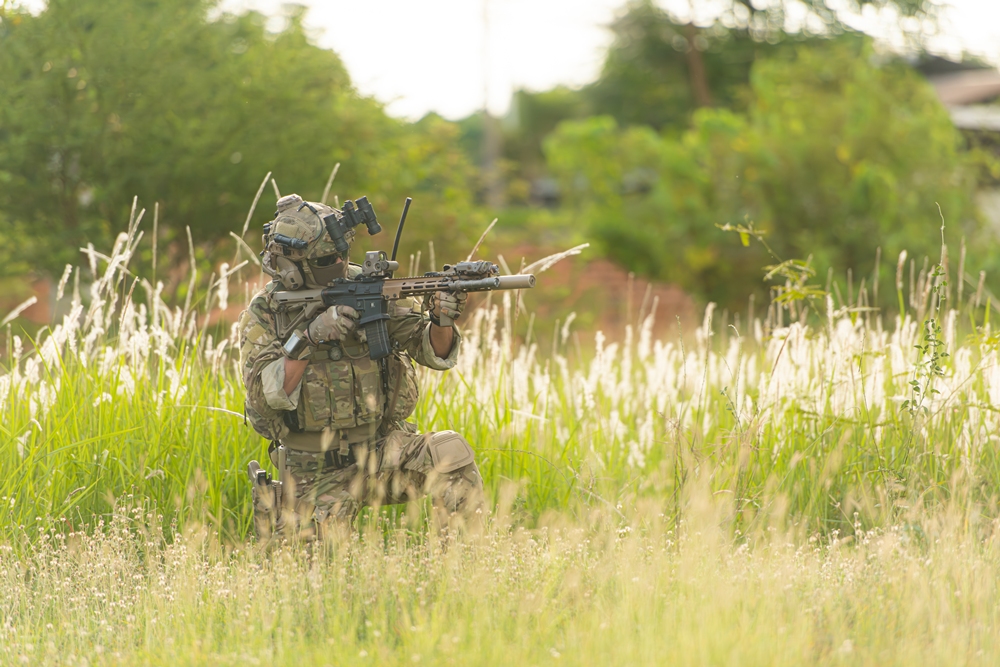
Australia has launched a brain injury programme worth A$22m to improve support and access to treatment for defence personnel and veterans.
The funding will be used over four years to develop, establish and maintain the programme, which will provide research, education and expanded access to brain injury treatment.
Veterans with a diagnosed brain injury will be able to access non-liability treatment, meaning they can receive medical care without having to establish a link between their condition and military service.

Minister for veterans’ affairs and defence personnel Matt Keogh announced the funding, describing the programme as what he believed to be the first of its kind.
The Brain Injury Program is expected to be fully operational by early 2028, with initial work focusing on education and clinical guidance.
In 2027, veterans will receive educational resources and access to a self-assessment tool to help them recognise potential brain injuries and understand when to seek medical support.
Guidance will also be developed for general practitioners (GPs), who will generally be the first point of contact for veterans seeking care.
The programme will include dedicated GP assessments of veterans’ brain health, as well as resources to help veterans, their families and medical professionals better understand brain injuries and conduct brain health assessments.
A Brain Injury Expert Advisory Panel, made up of medical and scientific specialists, will provide advice to the government on developing the programme.
The initiative responds to Recommendation 61 of the Royal Commission into Defence and Veteran Suicide, which called for a coordinated brain injury programme between Defence and the Department of Veterans’ Affairs (DVA).
The recommendation sought improvements in brain injury prevention, identification, treatment, monitoring and research.
The programme will complement existing research and prevention work by Defence and DVA into blast exposure and its potential effects on brain health.
Based on that research, Defence has already introduced measures to reduce brain injury risks associated with military service.
These include limits on exposure to blast overpressure from selected weapons systems, increased safety distances, monitoring and recording of blast exposure, and targeted education for weapons operators and training staff.
Health policies have also been strengthened to improve the identification, assessment, treatment and recovery of personnel affected by concussion and mild traumatic brain injury.
Defence has strengthened brain injury management practices across Australian Defence Force (ADF) sport, physical training and operational activities.
It is also undertaking one of the world’s largest prospective studies into the effects of repeated exposure to low-level blast overpressure during military training, to help improve evidence-based protections for personnel.
DVA continues to monitor international research into mild traumatic brain injury, particularly repeated low-level blast exposure, to support the current Defence blast monitoring trial involving ADF personnel during routine training.
Keogh said the government remained focused on reducing injury risks during military service and improving support for personnel in the years that follow.
“We’ll continue to work to improve how we protect our Defence personnel from harm in service and make sure they receive the best possible support in the years that follow.”
 Rubgy brain injury lawsuits face collapse after six-year legal battle