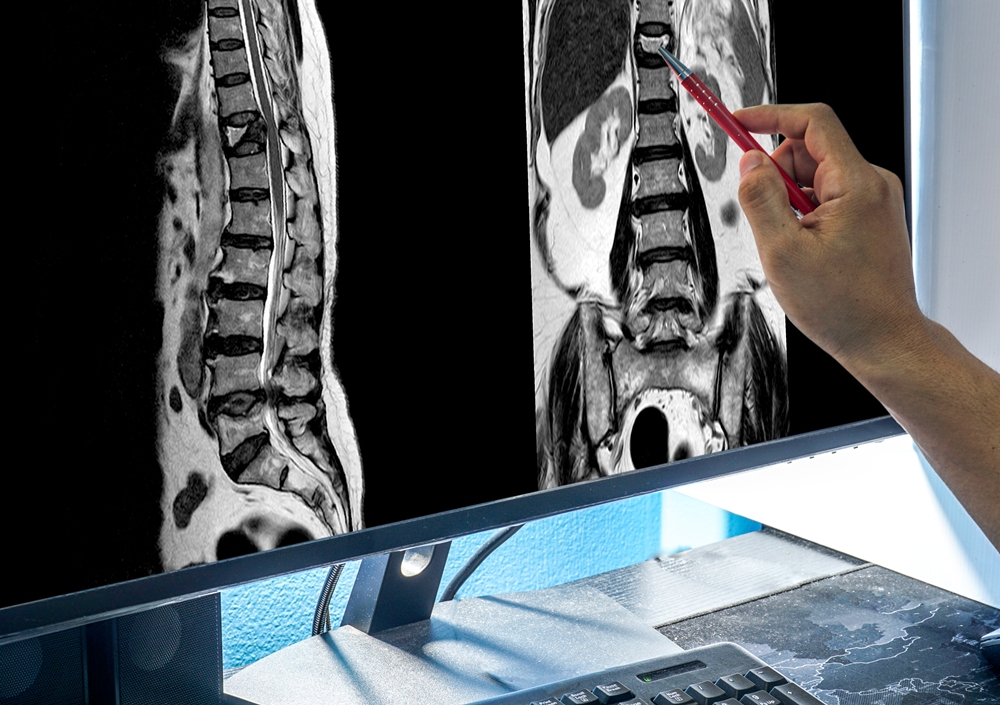
Spinal cord injury changes gut microbes in mice, with two studies linking these changes to inflammation, weight loss and disrupted nitrogen balance.
One study found that reintroducing a bacterial species depleted after injury reduced inflammation and stabilised weight loss in mice.
The second identified 19 microbial species strongly associated with nitrogen loss after injury, a process linked to muscle wasting in humans.
Researchers at The Ohio State University used genome-based techniques to examine changes in the gut microbiome, the community of bacteria and other microorganisms living in the digestive system.
The work builds on earlier findings suggesting that spinal cord injury can disrupt communication between the nervous system, gut and immune system.
Phillip Popovich, professor and chair of neuroscience at Ohio State’s College of Medicine, said the effects extend beyond damage to the spinal cord itself.
He said: “We tend to think of spinal cord injury as a problem that begins and ends in the spinal cord, but our work suggests that we need to think much more broadly.
“The spinal cord is a major communication pathway between the brain and the rest of the body, including the gut, where trillions of microbes interact with the body’s largest collection of immune cells.
“When spinal cord function is disrupted, that relationship can change in ways that affect inflammation, infection, nutrition and even the production of molecules needed for normal brain and spinal cord health.”
The research focuses partly on the autonomic nervous system, which controls involuntary functions such as breathing and digestion.
Damage to this system following spinal cord injury has been associated with immune problems, infections, delayed healing and gastrointestinal dysfunction.
Previous research led by Kristina Kigerl, a research scientist in Popovich’s laboratory, found that spinal cord injury disrupted the gut microbiome in mice and that probiotic treatment had a protective effect.
The latest studies used genetic analysis to identify individual microbial species and examine how they interact.
In the first study, researchers analysed 333 faecal samples from mice and assembled 6,635 draft microbial genomes, representing approximately 80 per cent of the gut microbiome in a commonly used mouse strain.
The resulting catalogue also includes viruses found in the gut, although their potential effects on bacterial populations remain under investigation.
Researchers compared microbial communities in male and female mice over six months, including animals with upper or lower thoracic spinal cord injuries and a control group without spinal damage.
Upper thoracic injuries completely disrupted brain-related control over sympathetic neurons regulating the gut, while lower injuries partially reduced that control.
Bacterial populations differed according to injury location, sex and time since injury.
One species, Lactobacillus johnsonii, was consistently depleted following spinal cord injury.
When researchers reintroduced the bacteria to injured mice, inflammation decreased and weight loss stabilised.
However, replacing a single bacterial species may not be enough to address the wider changes associated with injury.
Some microbes share nutrients with other species, while others restrict access to them. These interactions influence the wider gut ecosystem.
Ahmed Zayed, a research scientist in microbiology who co-led the work, said understanding these relationships would be important when developing potential treatments.
He said: “It’s not just a single bug making everything for the host. It’s this intricate interplay between microbes and each other, and microbes and the host.”
The researchers suggested that bacterial replacement might need to be combined with other interventions to ensure beneficial microbes receive sufficient nutrients after being reintroduced.
The second study examined nitrogen loss following spinal cord injury, which is associated with muscle wasting in humans.
Researchers found that injury was accompanied by depletion of gut bacteria involved in converting a particular compound into a usable form of nitrogen.
These changes disrupted chemical signalling related to muscle function.
The nitrogen imbalance was observed only in injured male mice, with 19 microbial species showing the strongest associations with nitrogen loss.
Kigerl said identifying this smaller group of bacteria helped narrow the focus for future research.
The scientists believe the findings could also be relevant to neurological conditions beyond traumatic spinal cord injury.
Stroke, Alzheimer’s disease and amyotrophic lateral sclerosis (ALS) can disrupt communication between the brain, spinal cord and internal organs.
Popovich said studying how these disruptions affect the gut could help researchers understand biological processes involved in other neurological conditions.
He said: “Understanding how those changes affect the gut may therefore reveal mechanisms relevant to a much broader range of neurological conditions.”
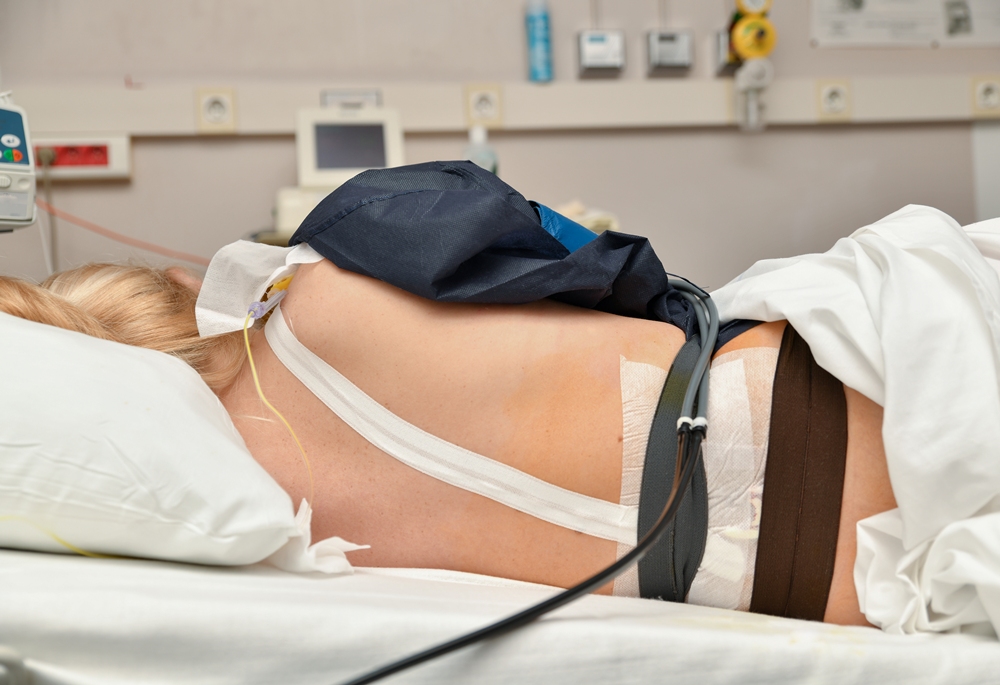 Trial tests spinal stimulation for low blood pressure after spinal injury