Meet the rehabilitation coordinator helping serious injury survivors look beyond compensation and rebuild their lives
For many people, the impact and aftermath of a serious injury extends far beyond the immediate physical trauma.
In the days, weeks and months that follow such a traumatic event, alongside physical recovery, survivors and their families can find themselves facing uncertainty as they navigate daunting, unfamiliar and complex healthcare system, treatments and support services, may face financial pressures, housing concerns, employment challenges, emotional trauma and uncertainty about what the future holds.
At Slater and Gordon, Rehabilitation Coordinators support seriously injured clients and their families from the earliest stages of recovery helping them access support, rehabilitation services and practical assistance tailored to their circumstances.
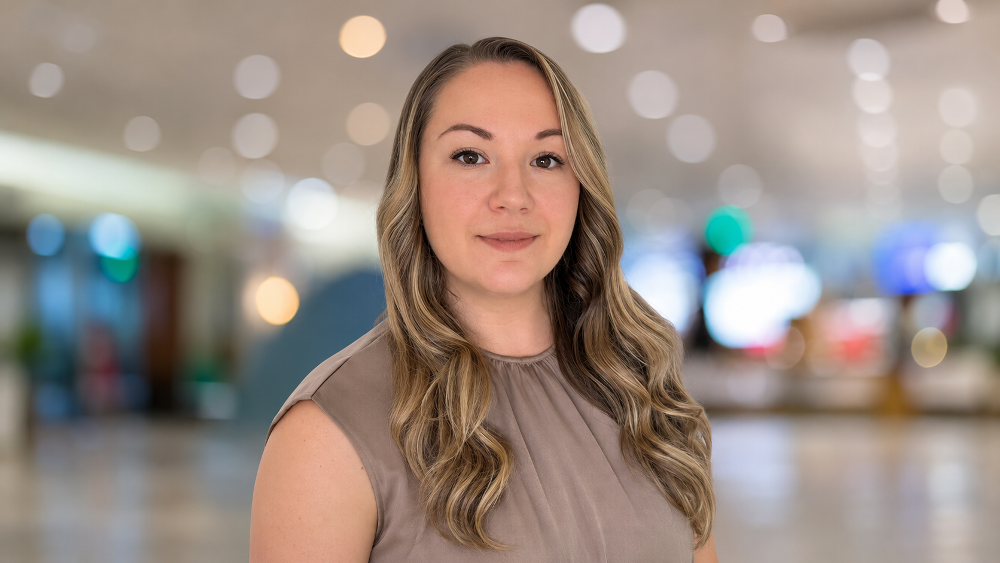
Slater and Gordon’s Rehabilitation Coordinator, Kirsty Richards, shares what that support looks like in practice, and the challenges seriously injured people, and their families often face.
Reflecting on the core message of the campaign, Slater and Gordon’s Rehabilitation Coordinator Kirsty Richards said: “Nobody plans for a serious injury, and the impact can be overwhelming, not just for the injured person but for their entire family.
“People are often dealing with far more than their physical recovery. There are hospital appointments, financial concerns, caring responsibilities and uncertainty about what comes next, all at the same time.
“Our role is to help people find a way forward during what can be an incredibly overwhelming time. Life may not look the same as it did before a serious injury, but seeing clients rebuild their lives is one of the most rewarding parts of what we do.”
Q&A
What is a Rehabilitation Coordinator, and what does your role involve?
As rehabilitation coordinator you are usually the first point of contact for those seriously injured who are pursuing a personal injury claim, offering advice and support, given clients direction at a time they need it most.
My role requires me to meet with seriously injury clients and families, identifying their rehabilitation goals and wider support and wellbeing needs.
I then must think creatively how I can maximise my client’s access to care and rehabilitation by statutory health and care pathways and tap into a wider network of third party and charity sector support.
What are some of the biggest challenges people can face in the days and weeks after a serious injury?
In the early days many clients and families experience a lack of direction.
Accessing information, speaking with their treating teams to understand their injuries, next stages of treatment and support available following discharge from hospital is a challenge we commonly see and support.
Outside of their clinical needs clients are also juggling financial worries, speaking with employers, still paying bills, arranging childcare – all the aspects of daily life we take for granted until their entire world is turned upside down by serious injury.
At what stage after an accident or injury do you usually become involved, and what support might someone need at that point?
At Slater and Gordon, the RC team get involved from the point of enquiry. This can vary case by case depending on when a client seeks personal injury legal support.
We initially make contact by phone and schedule to visit, whether this be bedside at hospital or in a client’s home.
Those earlier on in their recovery will usually need support to liaise with clinicians, obtain clinical updates and facilitate a safe discharge.
This can sometimes include coordination communication between various statutory services, such as NHS discharge teams, community therapies, community equipment services, local authority care, council/social housing and, in some cases, homelessness services if a property is inaccessible post injury.
Longer term, we identify any barriers to recovery and work with clients to access the services, treatment and support they need.
When we talk about rehabilitation after a serious injury, what does that mean in practice?
Rehabilitation following serious injury goes wider than rehabbing the injury itself.
You need to look at the impact of the injury on that person’s ability to enjoy and partake in life, as they would have done should the injury have not occurred.
This might mean arranging access to treatments such as physiotherapy, occupational therapy, speech therapy, psychological therapies to address what is traditionally considered the rehab need.
However, rehabilitation must go further than the physical, it needs to consider a client’s emotional, financial, and social wellbeing both in the short and long term.
Later stages of rehabilitation will also need to look at vocational rehabilitation; returning to work, studies and pre-injury life roles whilst reducing limitations/barriers faced. A
longside their legal claim, clients of Slater and Gordon receive access to additional support to address income and disability benefit enquiries, housing issues and assistance to navigate a whole network of support services and charities.
Why can getting the right rehabilitation and support in place early make such a difference?
Early access to rehabilitation and support ensures a client has access to the advice and support they need bespoke to their circumstances.
Having an experienced specialist team around them ensures they can focus on their recovery and maximising their progress.
Many people assume a personal injury claim is only about compensation. How does rehabilitation fit into the process?
Unfortunately, compensation cannot remove the fact that our clients have sustained serious injury or must rebuild their life post-injury.
Early access to rehabilitation and case management as part of a personal injury claim ensure our clients access additional rehabilitation interventions that may not have necessarily been available to them via statutory services, or quicker than they could access given limited resources and waiting lists for statutory services.
This means clients get the earliest opportunity to maximise their progress, minimise limitations faced and can get on with rebuilding their life post injury.
What kinds of support can you help put in place to help someone regain their independence and adjust to life after an injury?
Support can range from helping people navigate NHS services and rehabilitation pathways through to accessing welfare benefits, housing support, mental health services, charitable grants and community resources.
How do you support the family around someone who has experienced a serious injury?
For those that are most seriously injured, it is often the family that we first make contact with.
This might be meeting with the families in the early stages, when their loved ones are still critically unwell.
For families in this position, we will introduce them to charities to offer peer support and information, we will liaise with clinicians to ensure the family are getting the updates they need .
We’re often working with families to ensure they feel seen, able to talk about their experience and have access to the same network of trauma support services alongside their injured loved one.
What advice would you give to someone who has recently suffered a serious injury and feels overwhelmed by what comes next?
I would first eadvise them to take the time to acknowledge what they have been through is incredibly traumatic and something nobody ever plans for or thinks will happen to them.
Reassure them that feeling overwhelmed is normal and encourage them to build a support network (friends, family, charities) and access advice (social welfare, citizens advice, legal advice as appropriate) at the earliest opportunity.
The campaign is called ‘Life Continues, Differently’. What does that phrase mean to you after seeing people adjust to life following a serious injury?
Life Continues, Differently reflects the reality that a serious injury changes many aspects of a person’s life, but it doesn’t stop life altogether.
I’ve seen clients face enormous challenges, including adapting to physical limitations, changes in identity, employment, relationships, and daily routines.
What is often most inspiring is their ability to find new ways forward and it’s a privilege to be able to assist them with this.
Life may not be the same as it was before the injury, but people can still rebuild confidence, rediscover purpose, achieve meaningful goals, and enjoy fulfilling lives.
By addressing the short-term disruptions and long-term realities of major trauma, Slater and Gordon’s Rehabilitation Coordinators bridge the gap between initial crisis management and future independence.
The role of a Rehabilitation Coordinator reflects the wider message behind Life Continues, Differently: while a serious injury may change the course of a person’s life, with the right support, rehabilitation and guidance, people can still rebuild confidence, regain independence and look ahead to the future.
To find out more about the campaign and to access real client stories, expert commentary, and practical resources, visit the dedicated online hub here.

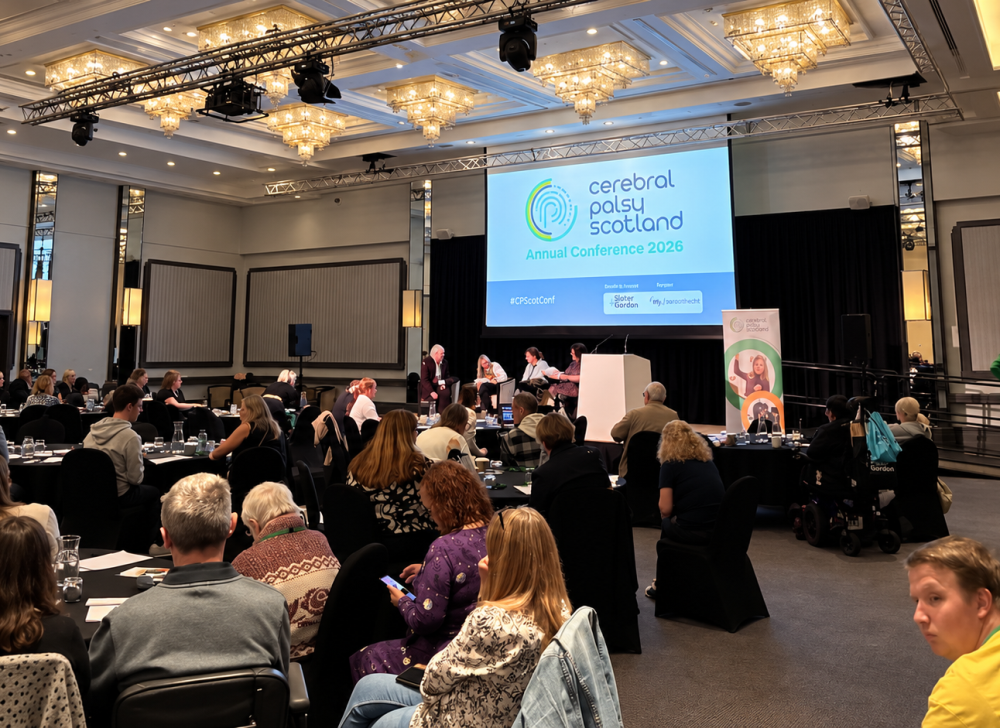 Cerebral palsy event highlights need for early intervention and coordinated support between specialist services