



Life after injury
Independence, returning to work, housing, travel and a life worth living.
 Case management17 Dec
A rehabilitation services company is piloting a pain management programme to support people in their employment, which could be replicated around the country.
 Life after injury11 Nov
A traumatic brain injury can impact severely on an individual's ability to return to work, which is why a carefully-planned vocational rehabilitation strategy is so important. Here, Sabrina Lawlor, principal lawyer at Slater and Gordon, discusses why support for employers to ensure their workplaces and process are as disability-friendly as possible - provided by organisations such as The Brain Charity - is vital
 Stroke29 Oct
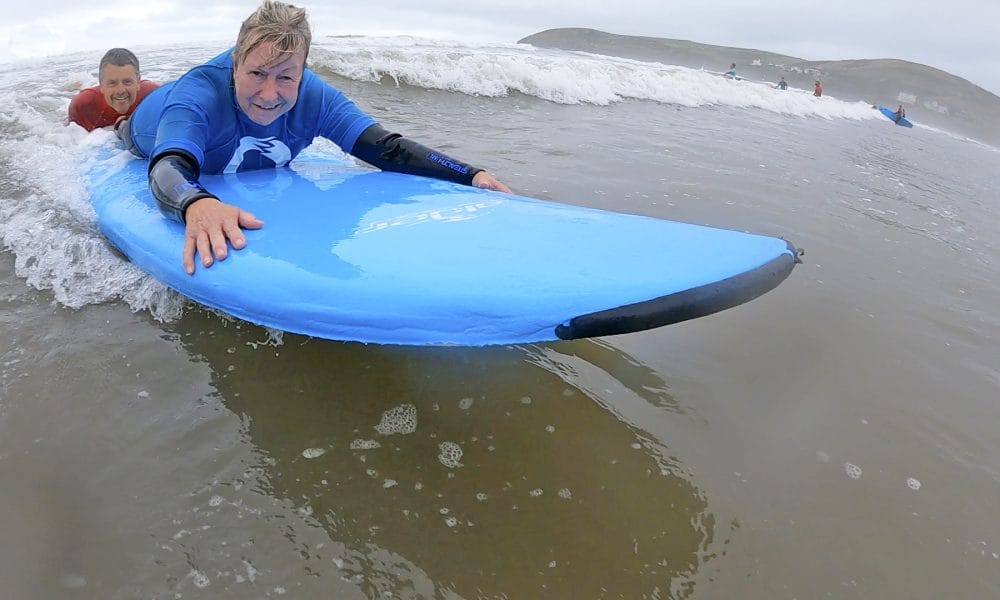
A survivor who lost both her job and home after her stroke is rebuilding her life after finding salvation in surfing.
 Life after injury13 Oct
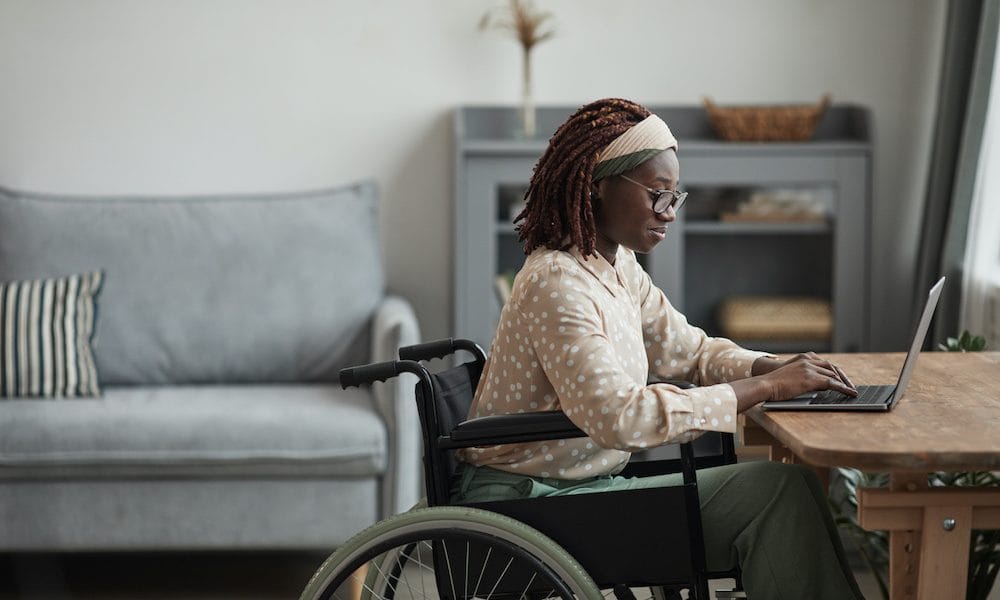
Housing should be designed for all forms of disability. Some people who are regarded as disabled are in fact largely disabled by their environment and can become trapped in their own homes or spaces living a life restricted by poor design.
 Therapy9 Sep
Survivors of trauma, illness and injury often find comfort and support from companion animals during their rehabilitation.
 Brain injury7 Jul
If injury or illness means living life your way isn’t easy, live-in care can provide support. Agincare is experienced in supporting people with acquired brain injuries, acquired spinal cord injuries and more diverse neurological needs.
As a family owned and run business and one of England’s largest care groups, we’re proud to have been delivering skilled and professional care with a smile for 35 years. If you’re looking for round-the-clock support without compromising on your choice, lifestyle, or independence, live-in care is designed for you. To discover the difference that live-in care can make, we’d like you to meet Callum. Callum’s story Callum is no less an adrenaline junkie today than he was as a teenager. Unfortunately, at age 16, while having fun with friends, Callum fell 30 feet. He sustained trauma to his head, memory loss and an acquired spinal cord injury. Callum spent the next two years in hospital. With his mobility declining and behavior becoming challenging, Callum’s social worker decided to research live-in care. Tech & industry17 Jun
With the creation of the Luscii remote monitoring platform, people with ongoing care needs can avoid the necessity for regular medical appointments, while clinicians can ensure they're being looked after from afar. NR Times speaks to its founder Professor Daan Dohmen about Luscii's role in the future of healthcare
From his early experience of working part-time in a nursing home came a realisation that patients could and should play a more active role in their care and health. “For me, that was a really important step in my vision to use technology to help regain people’s independence,” says Professor Dr Daan Dohmen. “The nursing home had all good intentions but took away the independence of people living there - they put them in the shower, they did everything. Multiple sclerosis18 May
By recognising the signs of PTSD with an MS diagnosis and delivering the appropriate support, patients are empowered to focus on improving their quality of life, says Dr Roy Aloni, head of Psychological Unit, Multiple Sclerosis Center, Sheba Medical Center, and BelongMs expert
Multiple sclerosis (MS) is an autoimmune disease of the central nervous system that affects both the brain and the spinal cord. With MS, the immune system attacks myelin—a protective layer that covers the nerve fibres— allowing the degeneration of groups of neurons, which affects a variety of functions. Multiple sclerosis (MS) is an autoimmune disease of the central nervous system that affects both the brain and the spinal cord. With MS, the immune system attacks myelin—a protective layer that covers the nerve fibres— allowing the degeneration of groups of neurons, which affects a variety of functions. MS-Related Stress
In most cases, MS is diagnosed at a young age, which can be a significant emotional burden with extensive psycho-social consequences that affect the patient’s quality of life.
MS-Related Stress
In most cases, MS is diagnosed at a young age, which can be a significant emotional burden with extensive psycho-social consequences that affect the patient’s quality of life.  Case management1 Apr
Seriously injured armed forces personnel are being helped to rebuild their lives through the work of a case management company in their support of Help for Heroes.
AJ Case Management has enabled the much-loved charity to build their own case management service, to serve the unique requirements of service men and women who are injured in action and enable them to access the healthcare they need. In addition to the in-house support they have enabled at Help for Heroes, AJ Case Management supports a number of veterans directly in securing the specialist rehabilitation package for their needs. Brain injury26 Feb
Masks not only allow us to hide our true feelings but to also express them without fear of judgement.
Being able to ‘hide’ one’s true self, may be a way, for others, to truly ‘show’ themselves. For this reason, Chroma therapists began delivering Art Therapy sessions online to those living with a Traumatic Brain Injury (TBI) in an attempt to help them express their emotions in a creative, non-threatening way.


