Life after injury
Independence, returning to work, housing, travel and a life worth living.
 Life after injury22 Apr
Anytimedoctor.co.uk assesses what you should do and how best to plan
 Neuropsychology16 Mar
Socio-economic factors adversely affect those treated for depression with talking therapy or antidepressants than more socially-advantaged peers
 Patient stories14 Feb
Matthew Brooks shares his traumatic and lengthy journey of recovery after an Arteriovenous Malformation
 Dementia22 Dec
A sixth of people with dementia spent Christmas Day last year alone, leaving families struggling with feelings of guilt and anger over their ‘lost Christmas’, new findings from the Alzheimer’s Society have revealed.
 Case management17 Dec
A rehabilitation services company is piloting a pain management programme to support people in their employment, which could be replicated around the country.
 Life after injury11 Nov
A traumatic brain injury can impact severely on an individual's ability to return to work, which is why a carefully-planned vocational rehabilitation strategy is so important. Here, Sabrina Lawlor, principal lawyer at Slater and Gordon, discusses why support for employers to ensure their workplaces and process are as disability-friendly as possible - provided by organisations such as The Brain Charity - is vital
 Stroke29 Oct
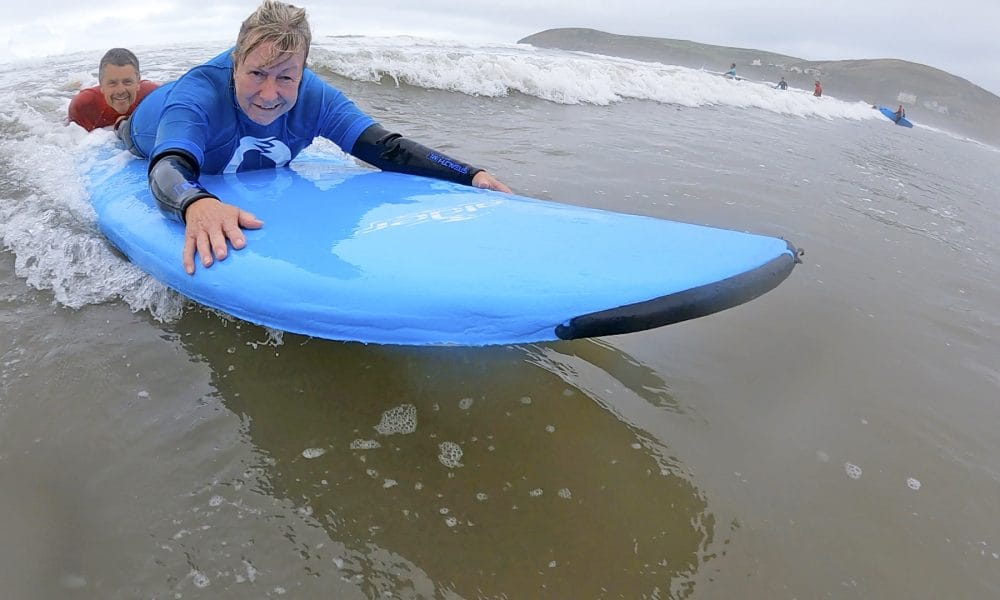
A survivor who lost both her job and home after her stroke is rebuilding her life after finding salvation in surfing.
 Life after injury13 Oct
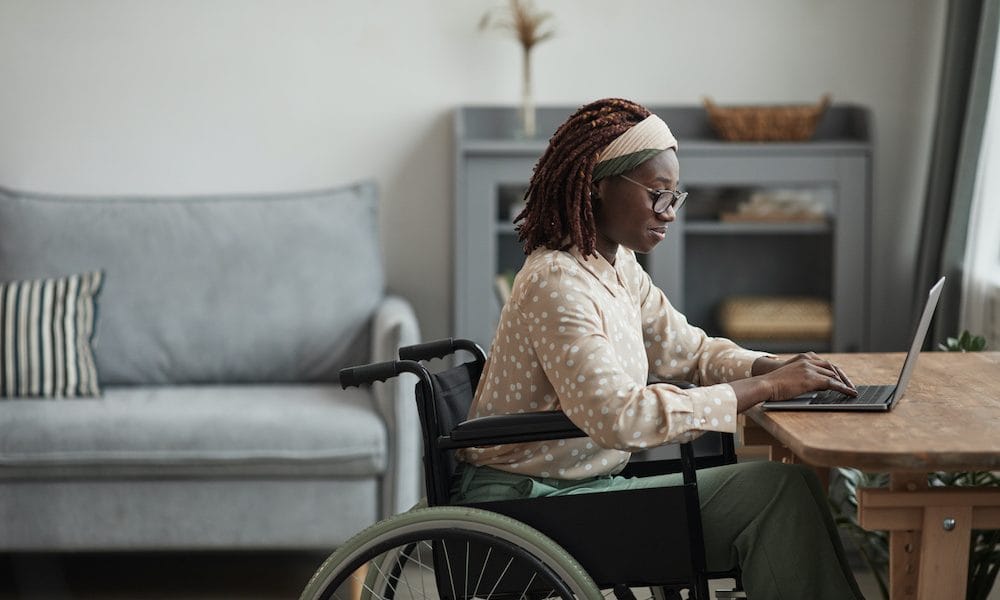
Housing should be designed for all forms of disability. Some people who are regarded as disabled are in fact largely disabled by their environment and can become trapped in their own homes or spaces living a life restricted by poor design.
 Therapy9 Sep
Survivors of trauma, illness and injury often find comfort and support from companion animals during their rehabilitation.
 Brain injury7 Jul
If injury or illness means living life your way isn’t easy, live-in care can provide support. Agincare is experienced in supporting people with acquired brain injuries, acquired spinal cord injuries and more diverse neurological needs.
As a family owned and run business and one of England’s largest care groups, we’re proud to have been delivering skilled and professional care with a smile for 35 years. If you’re looking for round-the-clock support without compromising on your choice, lifestyle, or independence, live-in care is designed for you. To discover the difference that live-in care can make, we’d like you to meet Callum. Callum’s story Callum is no less an adrenaline junkie today than he was as a teenager. Unfortunately, at age 16, while having fun with friends, Callum fell 30 feet. He sustained trauma to his head, memory loss and an acquired spinal cord injury. Callum spent the next two years in hospital. With his mobility declining and behavior becoming challenging, Callum’s social worker decided to research live-in care.