



Preventing brain injury
Stopping injury before it happens, from concussion in sport to falls, road safety and stroke risk.
 Commissioning19 Nov
More than 20,000 strokes and 5,000 deaths could be averted each year after NHS England struck a deal to expand life-saving blood thinning drugs. NHS England will scale up the use of direct oral anticoagulants (DOACs) across the network, with more than 610,000 patients set to benefit over the next three years. DOACs are used [...]
- Preventing brain injury17 Nov
Drinking tea and coffee every day could lower the risk of developing a stroke by almost a third, according to the largest study of its kind. The research followed 365,000 people aged between 50 and 74 for more than a decade. The participants self-reported their tea and coffee consumption at the start of the UK [...]
- Preventing brain injury15 Nov
Patients diagnosed with aortic stenosis should get major heart surgery within months of diagnosis, even if they don’t feel unwell, new research suggests. Aortic stenosis is a narrowing of the aortic valve opening, where blood flood between the left ventricle and aorta is restricted. The operation to replace a damage aortic valve is usually only [...]
- Preventing brain injury15 Nov
Sprinkling herbs and spices on food improves heart health and could help reduce stroke risk, according to new research. Just over a teaspoon of common herbs and spices each day lowers blood pressure within a month, the researchers found. Flavourings to have a protective effect on the arteries include cinnamon, ginger, basil, turmeric and garlic. [...]
 Preventing brain injury11 Nov
Hurling has come under the spotlight for its lack of adherence to concussion protocols, with a new study revealing that less than a quarter of players were removed from play after showing effects of head injury.
- Preventing brain injury10 Nov
Stress worsens heart disease symptoms and increases the risk of dying from a stroke or heart attack, according to a new JAMA study. The condition causes blockages in blood flow to the heart called myocardial ischemia. These blockages more than double the risk of death in people with coronary heart disease (CHD) – even if [...]

Stroke patients with low blood pressure and non-vascular conditions such as cancer and dementia are at an increased risk of death after stroke, according to a new study. Researchers identified nearly 30,000 patients who had had a first ischemic stroke and also had outpatient blood measurements within 18 months before their stroke. The group was [...]
People with insomnia may have an increased risk of suffering from a subarachnoid haemorrhage, according to a new study. The research, published in the Journal of the American Heart Association, explored the link between aneurysmal subarachnoid haemorrhage, intracranial aneurysms and various risk factors including insomnia. The researchers compared nearly 4,200 cases of aneurysmal subarachnoid haemorrhage [...]
 Preventing brain injury27 Sep
A study of more than 100,000 people with type 2 diabetes (T2D) has found that insulin resistance is associated with stroke. The higher the insulin resistance, the greater the risk of stroke, the research, from Dr Alexander Zabala and colleagues at the Karolinska Institute and researchers at Gothenburg University and the National Diabetes Registry in [...]
 Stroke13 Sep
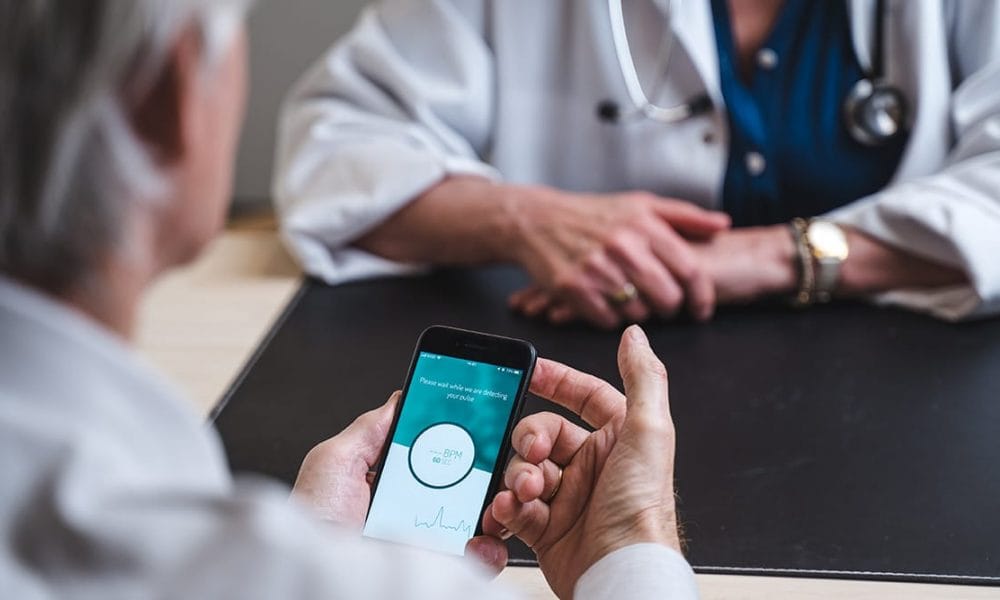
With 1 in 4 people over the age of 40 likely to develop a heart rhythm disorder like atrial fibrillation (AF) in their lifetime, the risk of experiencing an AF-related stroke has never been higher. NR Times learns more about Fibricheck, a fast-growing international solution which can detect irregularities and deliver actionable life-saving results


