Smarter rehab
Technology such as VR, robotics, apps and brain implants, adopted where it helps.
 Stroke18 Jul
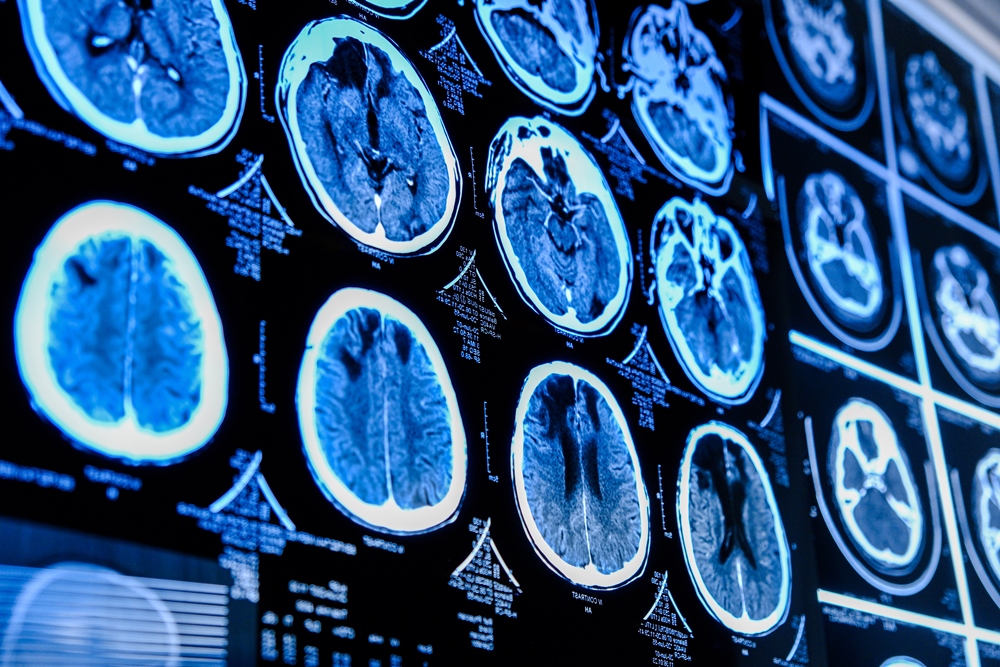
A new research centre receiving up to £50m over 14 years will develop brain stimulation devices to treat Parkinson’s, dementia, stroke and childhood epilepsy. The Medical Research Council Centre of Research Excellence (CoRE) in Restorative Neural Dynamics will explore how patterns of brain activity relate to behaviour and contribute to neurological disorders. Researchers aim to [...]
 Tech & industry8 Jul
Active Care Group, a UK based provider of complex care, has launched a new division - Active Neuro, offering transformative rehabilitation through technology-enhanced clinical pathways for adults within the UK with neurological conditions resulting from injury, illness or disease. The complex care provider has invested in the latest rehabilitation technology at their existing neurological services, [...]
 Spinal injury26 Jun
A new bioelectric implant has restored movement in rats with spinal cord injuries, offering early evidence of a possible future treatment for paralysis in humans. The ultra-thin device sits directly on the spinal cord and delivers a carefully controlled electrical current across the injury site, encouraging damaged nerve fibres to heal. Rats treated daily for [...]
 MND / ALS25 Jun
The Longitude Prize on ALS, a new £7.5 million global challenge prize, has launched today to incentivise and reward cutting edge AI-based approaches to transform drug discovery for the treatment of ALS (amyotrophic lateral sclerosis), the most common form of MND (motor neurone disease). ALS is a progressive neurodegenerative disease that damages the nerves in [...]
 Stroke23 Jun
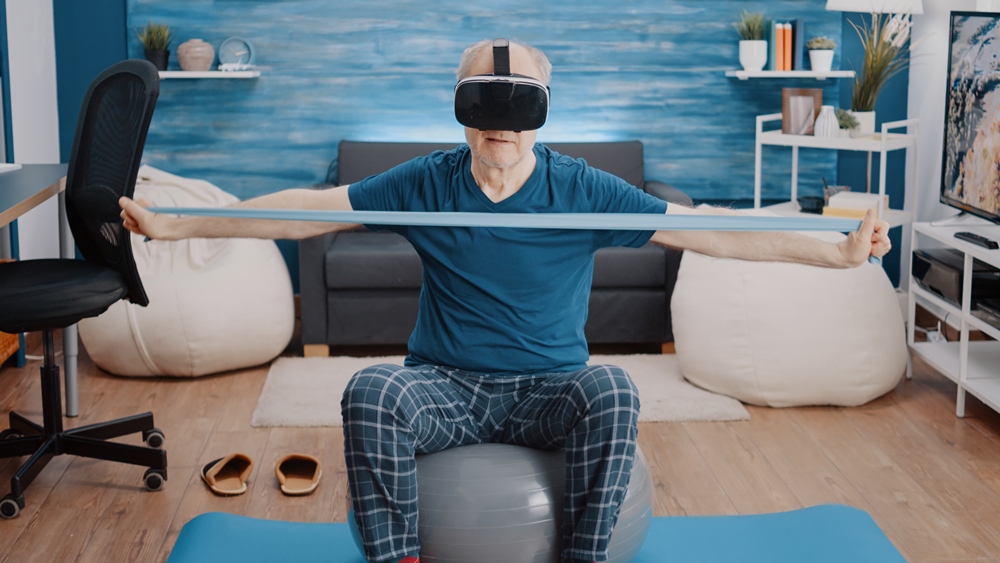
Virtual reality used alongside standard therapy may help stroke survivors regain arm function, a major new analysis suggests. The updated review, which draws on data from 190 trials involving 7,188 people, suggests VR could be a promising rehabilitation tool—particularly by increasing the amount of therapy patients receive without needing constant supervision from clinicians. This is [...]
 Brain injury23 Jun
There are two types of brain injury professional: those that embrace Artificial Intelligence and those that will be left behind Warren Collins, Catastrophic Injuries Lawyer at Penningtons Manches Cooper LLP takes a peak at AI The intersection of artificial intelligence and traumatic brain injury (TBI) litigation is rapidly evolving, creating new opportunities and challenges that [...]
 Tech & industry16 Jun
Patients harmed by high-risk brain implants could receive automatic compensation under a new proposal aimed at protecting those taking part in experimental trials. The scheme would introduce a “no-fault” compensation model for people fitted with brain-computer interfaces (BCIs) – devices implanted in the brain to treat conditions such as epilepsy or paralysis. BCIs may offer [...]
 Brain injury4 Jun
A programme that connects brain injury survivors with technology developers has led to design changes in at least nine research projects, according to new findings. The initiative involves one-hour virtual sessions where innovators, including small-medium enterprises and clinicians, present their research plans to selected groups of patients with relevant expertise. More than 20 sessions have [...]
 Brain injury23 May
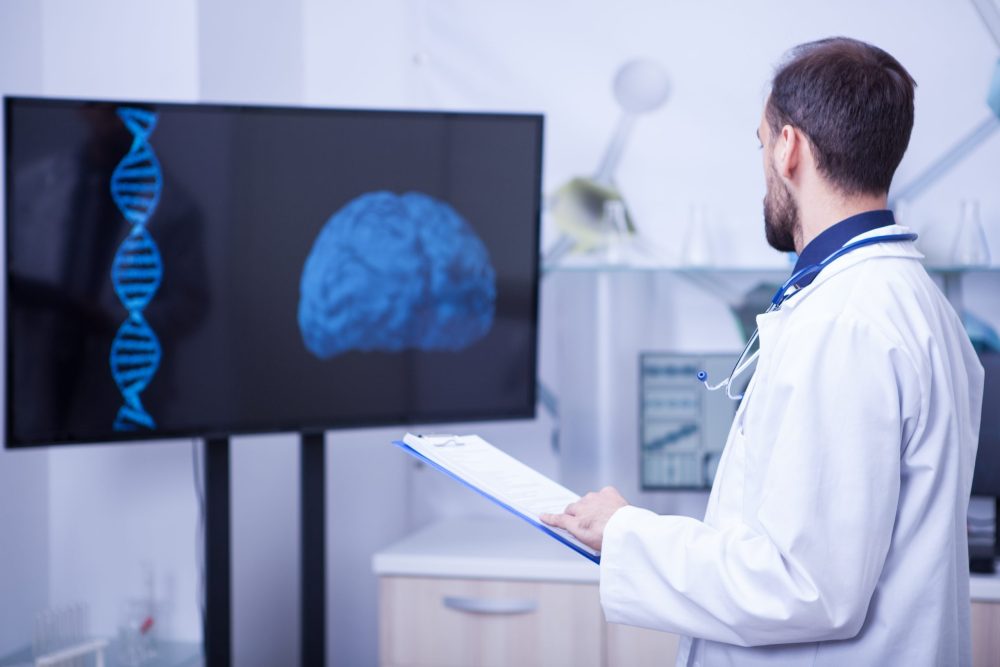
When a neuron in our body gets damaged, segments of RNA produce proteins that can help repair the injury. But in neurological disorders such as ALS and spinal muscular atrophy, or following spinal cord injuries, the mechanisms for moving life-essential RNA to injured sites within the cell fail. As a result, RNA molecules can’t get [...]
 Neuropsychology12 May
A research project has received a grant to investigate whether electrical brain stimulation with temporal interference can improve the restorative nature of napping. The project will explore new methods to combat fatigue and improve the restorative nature of napping, through targeting specific brain areas with a novel brain stimulation technique. Corundum Convergence Institute (CCI), a [...]