Smarter rehab
Technology such as VR, robotics, apps and brain implants, adopted where it helps.
 Tech & industry8 May
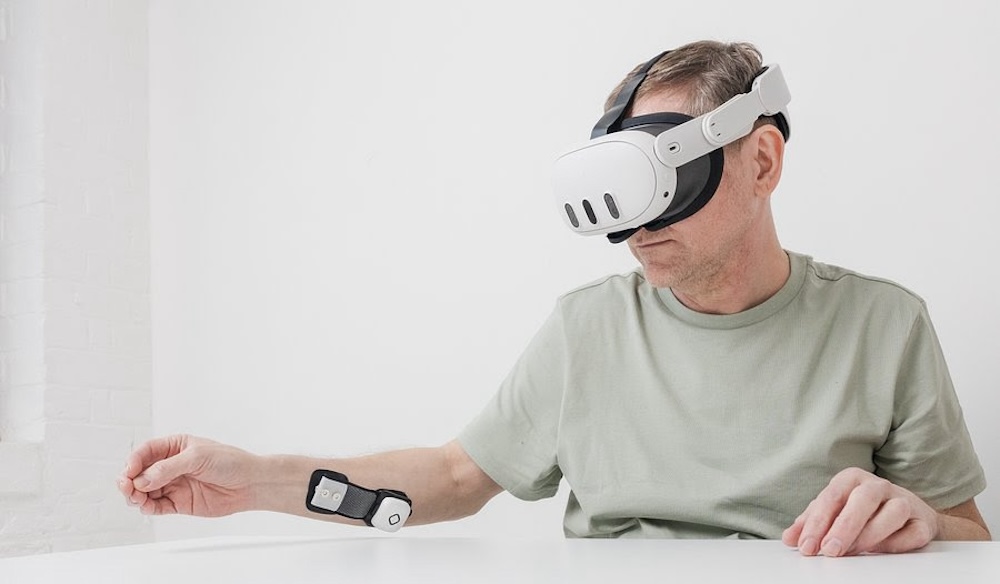
A British technology company has received £500,000 in funding to further develop a neurorehabilitation platform that combines electrical stimulation with virtual reality. Valkyrie Industries was awarded the grant through the Biomedical Catalyst 2024 competition by Innovate UK, part of UK Research and Innovation (UKRI). The funding will support the continued development of v-health, Valkyrie's platform designed [...]
 Therapy1 May
For the first time, Spanish and Indian English speakers recovering from stroke, traumatic brain injury (TBI), aphasia, apraxia, dementia, or other neurological conditions can access a comprehensive library of culturally and linguistically tailored cognitive rehabilitation exercises from their homes. Spanish is the most common non-English language spoken in the United States, with millions of speakers [...]
 Tech & industry1 May
Researchers at Northwell Health’s Feinstein Institutes for Medical Research have developed an AI-based tool that identifies a brain metabolic network capable of predicting psychosis in Alzheimer's disease (AD). This discovery offers a potential breakthrough for earlier diagnosis, treatment development and personalised medicine for individuals with AD. The study, led by Jeremy L. Koppel, associate professor [...]
 Neuropsychology30 Apr
Patients suffering from depression, anxiety and trauma-related disorders experienced significant relief from their symptoms after a new treatment that uses sound waves to modulate deep brain activity, according to new research. from Dell Medical School at The University of Texas at Austin. The study, published this month in Molecular Psychiatry, demonstrates that low-intensity focused ultrasound [...]
 Brain injury23 Apr
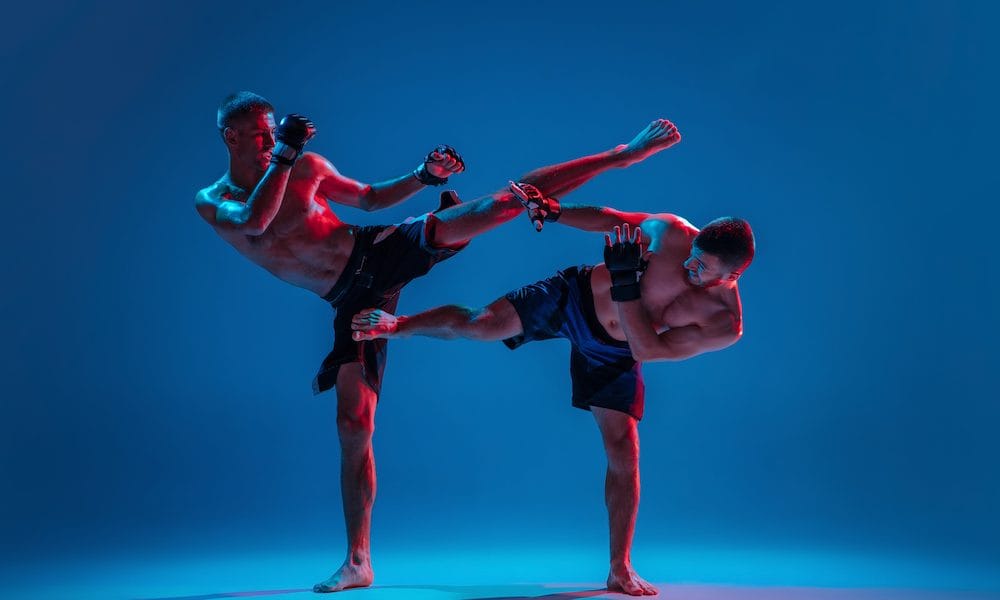
Athletes who suffer a concussion have a serious risk of re-injury after returning to play, but identifying which athletes are most vulnerable has always been a bit of a mystery, until now. Using AI, researchers have developed a novel machine learning model that predicts an athlete’s risk of lower-extremity musculoskeletal (MKS) injury after concussion with [...]
 Neuropsychology16 Apr
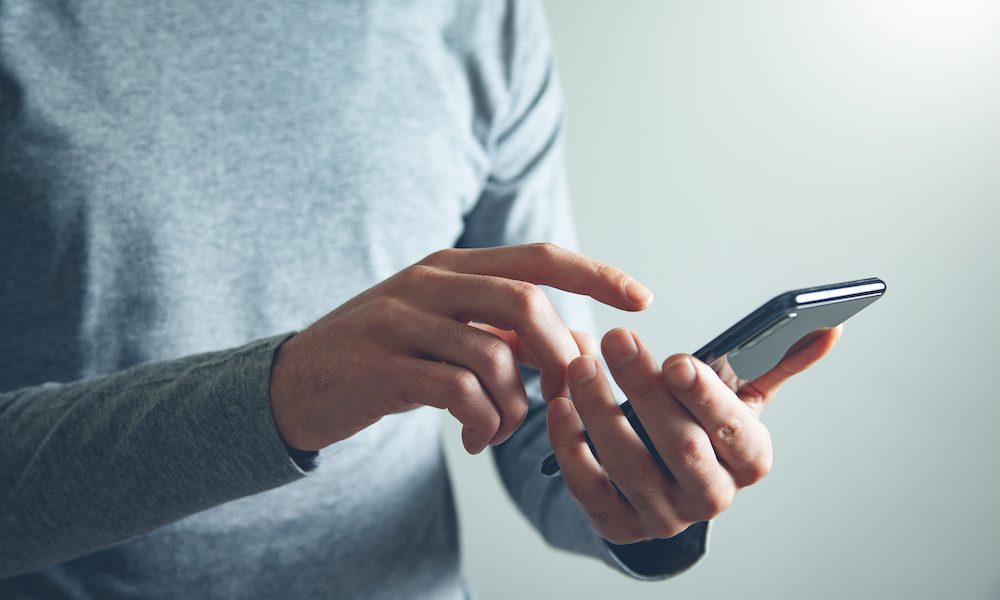
Patients with depression who received the Moodivate app saw clinically meaningful reductions in their symptoms that were twice those achieved with standard-of-care therapy in a clinical trial conducted at 22 primary care practices. The study found that app users were also three times more likely to achieve a clinically meaningful improvement in their depression and [...]
 Tech & industry15 Apr
A new study has revealed that digital technologies are associated with reduced cognitive decline. The study was sparked by the ongoing concern about the passive activity of digital technologies and their relation to accelerating risks of dementia. The “digital dementia” hypothesis predicts that a lifetime of exposure to digital technology will worsen cognitive abilities. On [...]
 Stroke9 Apr
The FDA has provided clearance of a novel and patented feature that enables physicians to assess ischemic core volume from universally available non-contrast CT (NCCT) images through the Brainomix 360 Stroke solution, developed by Brainomix. The core volume feature has been studied and validated by leading US stroke centres, with results demonstrating equivalency to CT [...]
 Parkinson's27 Mar
A deep brain stimulation device called AlphaDBS has recieved CE Mark of approval to advance its roll out across Europe. The AlphaDBS device, developed by Newronika, is a closed-loop DBS system that dynamically adjusts stimulation based on real-time brain signals. The CE approval enables the company to commercialise AlphaDBS in Europe, bringing the treatment option [...]
 Stroke25 Mar
Neurotech company Reneural is partnering with The Hillingdon Hospitals NHS Foundation Trust and Brunel University of London, to bring VR stroke rehabilitation to patients. Reneural has been awarded funding through the New Hospital Programme by NHS England to further develop its digital health solution for stroke rehabilitation. The collaboration brings together leading experts across healthcare [...]