Smarter rehab
Technology such as VR, robotics, apps and brain implants, adopted where it helps.
 Stroke25 Aug
New study reveals average treatment rate in sites using tech is 55 per cent higher
 Tech & industry22 Aug
Use of brain-computer interface adds to options in at-home, remote rehab
 Stroke21 Aug
Trousers powered by artificial intelligence have given a stroke survivor the power to learn to walk independently again. Stroke patient, Julie Lloyd, is part of the UK's first trial of the NeuroSkin trousers, which she has described as a breakthrough for stroke patients alike. By stimulating her paralysed leg through electrodes controlled by artificial intelligence, [...]
 Research18 Aug
New research has shown how artificial intelligence (AI) can enable precision medicine to be used in speech, language and cognitive rehabilitation for stroke survivors. Researchers at Boston University and the University of Texas are being given access to the world’s largest speech and cognitive therapy database, created by Constant Therapy Health. This means that neuroscientists, [...]
 Research15 Aug
New research has shown that deep brain stimulation could be beneficiary for those who have suffered a stroke, after first in-human trials. This first trial of deep brain stimulation (DBS) for post-stroke rehabilitation patients has shown that by using DBS to target the dentate nucleus, which regulates fine-control of voluntary movements, cognition, language, and sensory [...]
 Neuropsychology11 Aug
Study reveals decrease in levels of burnout and fewer sick days through exercise at home
 Stroke9 Aug
World’s largest speech and cognitive therapy database used to support post-stroke neuro-rehab
 Tech & industry9 Aug
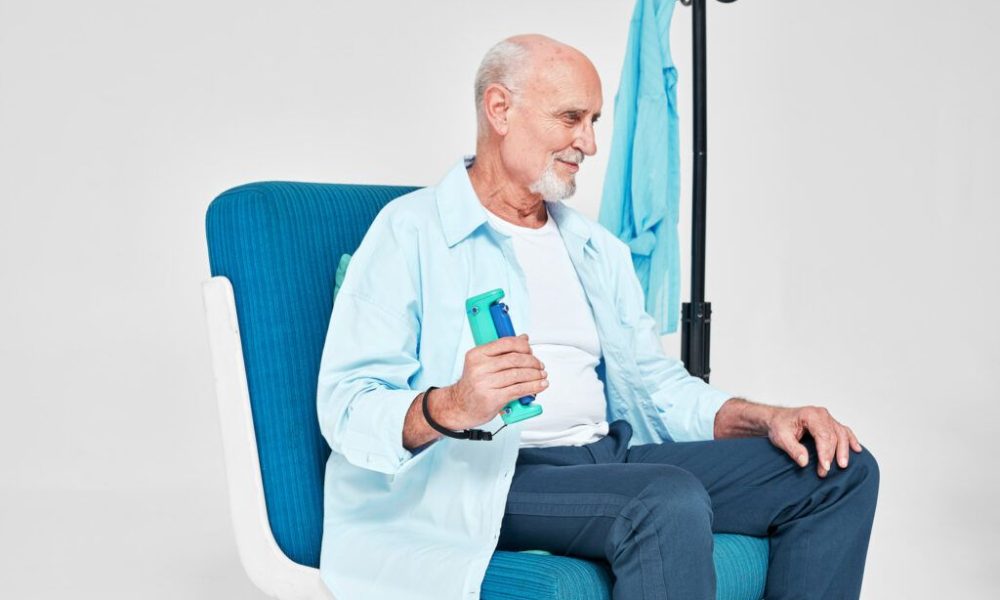
Occupational therapist Lauren Edwards shares recommendations for investing in the right technology for your practice
 Research8 Aug
A new groundbreaking app presented at the Society of NeuroInterventional Surgery’s 20th Annual Meeting, reveals how machine learning can be used to detect physical signs of stroke. Researchers at the UCLA David Geffen School of Medicine and several medical institutions in Bulgaria collaborated on a study titled “Smartphone-Enabled Machine Learning Algorithms for Autonomous Stroke Detection.” [...]
 Research3 Aug
New experimental technology shows early signs of having life transforming capabilities for paralysis
New experimental technology is showing early signs of having life transforming capabilities for those living with paralysis. This experimental technology, Brain-computer interface (BCI), makes it possible to move robotic limbs using only your thoughts. However, before BCI can make the transition from the lab to patients’ everyday lives, the problem of how to coax the [...]