



Clinicians & therapists
For doctors, nurses, therapists and psychologists.
 Brain injury7 Nov
Former Sunderland footballer David Watson has won a key appeal to have his neurological condition recognised as work-related. Watson, 79, who helped Sunderland win the 1973 FA Cup, is living with probable Alzheimer’s and probable CTE (chronic traumatic encephalopathy) — a degenerative brain disease linked to repeated head impacts. The Upper Tribunal has overturned a [...]
 Brain injury5 Nov
HCA UK’s The Wellington Hospital celebrated its Neurological Rehabilitation Centre’s success at the Neurological and Complex Care Awards last week, recognising the highly complex care their teams deliver every day. Their programme for patients with Prolonged Disorders of Consciousness (PDOC) was honoured with the 'Innovation in Neuro Rehab' award for Paolo Tomaselli’s work integrating Neurologic [...]
 Research5 Nov
New research has provided new insight into how the habenula, a pea-sized brain region that helps regulate motivation and mood, may contribute to schizophrenia risk. Many schizophrenia-related molecular changes appear to be specific to this region, suggesting the habenula could be a potential target for future treatments. Researchers from the Lieber Institute for Brain Development [...]
 Research30 Oct
A portable saliva biosensor costing just US$2.19 can detect protein levels linked to depression, schizophrenia and bipolar disorder in under three minutes. The device measures brain-derived neurotrophic factor (BDNF), a protein vital for neuron health whose altered levels are associated with several psychiatric conditions. Developed by researchers at the University of São Paulo and Embrapa [...]
 Neuropsychology29 Oct
A comprehensive review published yesterday (Oct 28) has offered new insights into cutting-edge techniques that could help treat people with obsessive-compulsive disorder (OCD) who haven't responded to conventional therapy. The review examines three neuromodulation approaches that are transforming how clinicians treat severe OCD cases. OCD affects roughly two per cent of the population, causing intrusive [...]
 Parkinson's27 Oct
Researchers have directly seen and measured the protein clusters thought to spark Parkinson’s disease for the first time, marking a major milestone in understanding the condition. These microscopic clusters, known as alpha-synuclein oligomers, have long been suspected as the starting point for Parkinson’s but had remained undetectable in human brain tissue until now. A team [...]
 Parkinson's27 Oct
A woman with Parkinson’s disease played the clarinet during brain surgery, allowing doctors to observe immediate improvements in her movement. Denise Bacon, 65, from Crowborough in East Sussex, underwent Deep Brain Stimulation (DBS) at King’s College Hospital while awake. Her playing helped surgeons assess the success of the procedure in real time. DBS involves implanting [...]
 Stroke22 Oct
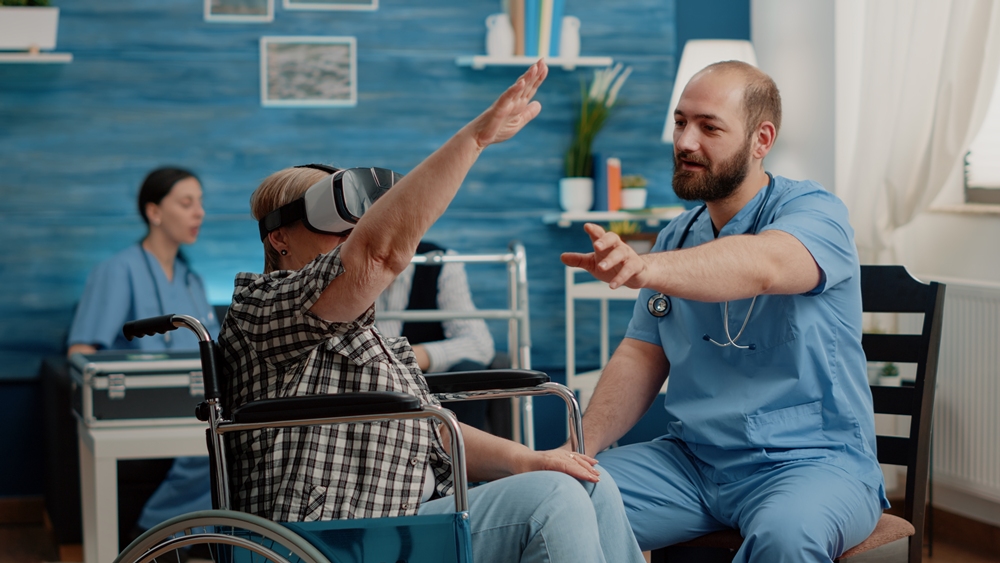
A new virtual reality training task developed by researchers in Finland shows promise for helping stroke survivors with visuospatial neglect, a condition that affects awareness of one side of space. The VR-based rehabilitation tool combines audiovisual cues with physiotherapy exercises to support recovery. Visuospatial neglect (VSN) affects about 30 per cent of stroke survivors and [...]
 Multiple sclerosis20 Oct
Multiple sclerosis may begin damaging the brain up to seven years before symptoms appear, researchers say, showing immune activity starts earlier than previously thought. By analysing more than 5,000 blood proteins, scientists have mapped when MS begins attacking the myelin sheath — the fatty layer protecting nerve fibres — and identified potential diagnostic markers. Myelin [...]
 Spinal injury16 Oct
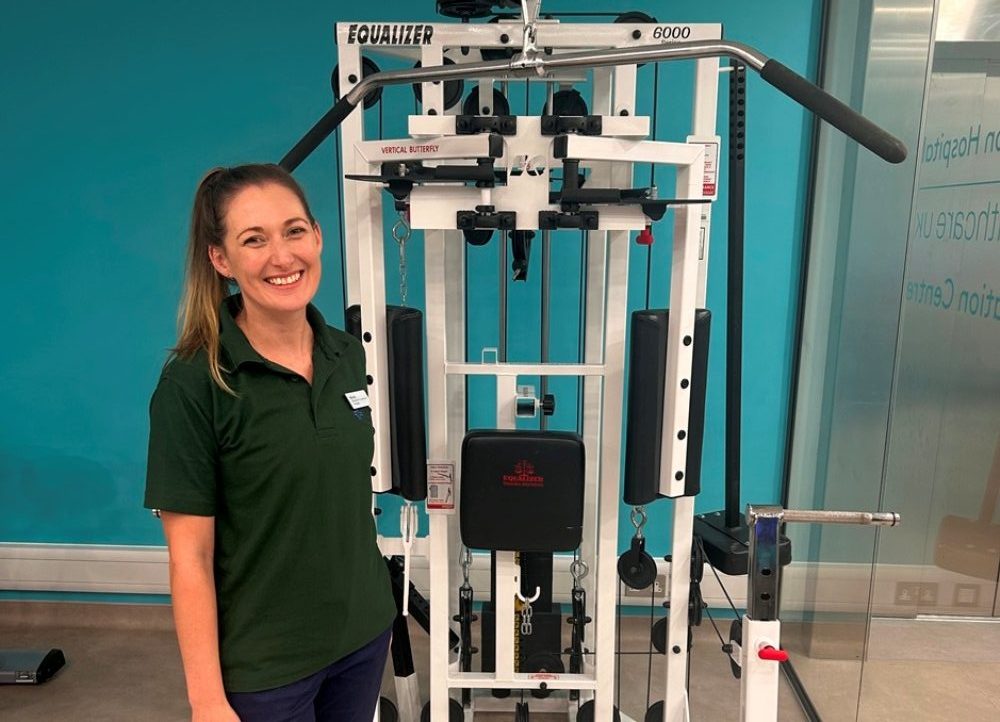
HCA Healthcare UK’s Neuro Rehab Centre sees many patients living with spinal cord injuries. Mandy shares how the team at the centre combines innovative technology with compassionate, patient-centred care to support recovery. Our team here at The Wellington Hospital supports patients at all stages of their journey, from early rehabilitation to ongoing, long-term care. With [...]


