



Clinicians & therapists
For doctors, nurses, therapists and psychologists.
 Parkinson's19 Aug
A low-oxygen environment, similar to air at Mount Everest base camp, could slow or even reverse Parkinson's symptoms, new research suggests, offering hope for new therapies. The study found that faulty cellular processes in the brain cause oxygen molecules to build up, damaging neurons and triggering symptoms. Restricting oxygen intake appeared to slow or even [...]
 Stroke19 Aug
A new study has revealed why stroke impairs reading, showing survivors lose the ability to use word meanings to recognise words on the page – a finding that may offer new therapeutic approaches. Researchers found that people who have experienced strokes struggle with reading because they can no longer map the words they are trying [...]
 Parkinson's18 Aug
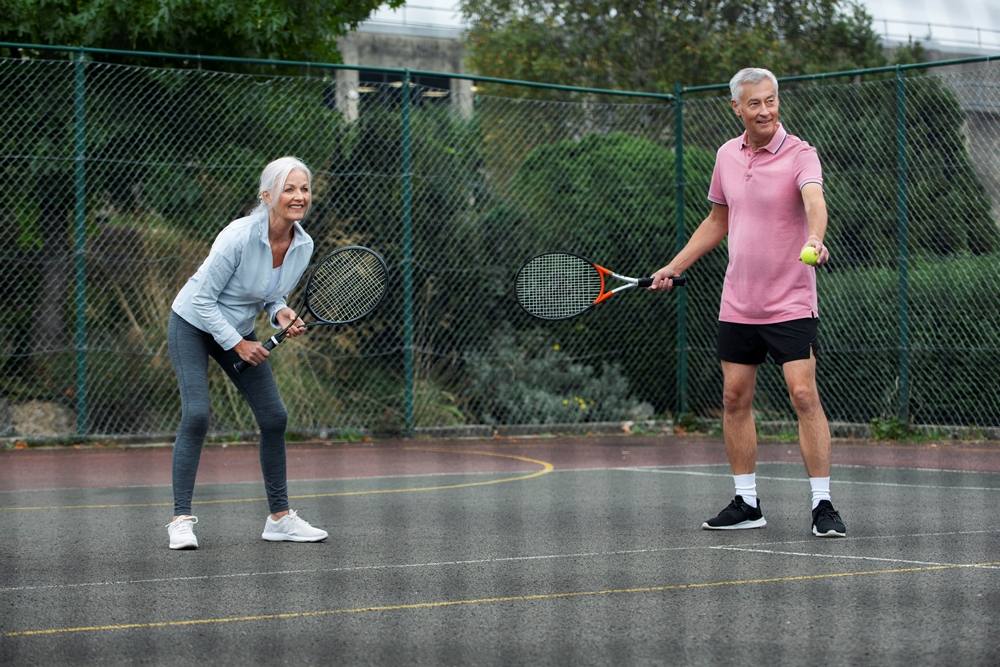
A new podcast series has been launched to help people with Parkinson's stay active. Get Active Stay Active, delivered by 1FitLife and Parkinson's UK, covers topics such as building up exercise intensity and choosing suitable footwear. The series brings together healthcare professionals, exercise experts and individuals living with Parkinson's to offer advice and guidance. [...]
 Research15 Aug
Tiny pond worms could help find new ways to treat schizophrenia, develop understanding around drug addiction and test new medicines for mental illnesses – all while reducing the number of mice and rats used in early medical research. Scientists from the University of Reading say that planaria - harmless flatworms found in ponds and rivers [...]
 Brain injury14 Aug
By Chiltern Music Therapy for Neuro Rehab Times A six-month pilot of Neurologic Music Therapy® (NMT™) at British Home has delivered compelling results, highlighting the therapy’s effectiveness in supporting complex neurorehabilitation goals across physical, cognitive, psychological and communicative domains. The full-day NMT™ pilot involved 14 unique patients receiving both 1:1 and group sessions, with referrals [...]
 Brain injury12 Aug
Providing tailored support to people in the criminal justice system with an acquired brain injury (ABI) could help to enhance rehabilitation, improve mental health, and support positive engagement with the prison regime, according to new research from Brainkind, the UK’s largest charity supporting people with ABIs and complex neurological conditions. The findings are contained in [...]
 Brain injury12 Aug
The benefits of nature are well documented. The simple act of going outside and experiencing nature can have profound positive effects on physical and mental well-being. Spending time outdoors has been shown to improve mood, reduce stress, and enhance overall health. However, these opportunities are often not prioritised for people with complex physical and psychological [...]
 Neuropsychology11 Aug
By The London Neurocognitive Clinic In recent years, conversations around neurodiversity have shifted away from medicalised deficit models toward more inclusive, strength-based approaches. This transformation is powerfully captured in the newly released book- Redefining Neurodiversity: Designing Practical Solutions through Lived Experience which is a pioneering collection that brings together voices from neurodivergent individuals, clinicians, researchers, [...]
 Neuropsychology11 Aug
By Nick Williamson, Neurophysiotherapist at PJ Care The road to diagnosis of functional neurological disorder (FND) can be long and frustrating, and people may endure years of symptoms that have no apparent cause before they have a name for their condition. Knowledge of FND in the medical community is still developing and awareness is even [...]
 Parkinson's5 Aug
Until now there has been no reliable mechanism for people with Parkinson’s to find a personal trainer with the relevant skills and knowledge to work effectively with people with the condition. With exercise still the only disease-modifying therapy for Parkinson's, the support offered by a personal trainer can be life changing if you have the [...]


