



Clinicians & therapists
For doctors, nurses, therapists and psychologists.
 Brain injury17 Sep
People with traumatic brain injury often internalise public stigma, leading to self-doubt and social withdrawal, new research shows. The study found that discrimination can cause some TBI patients to see themselves as less worthy, with many developing a “why try” attitude that discourages them from attempting tasks or social contact. The investigation was led by [...]
 Community neuro rehab12 Sep
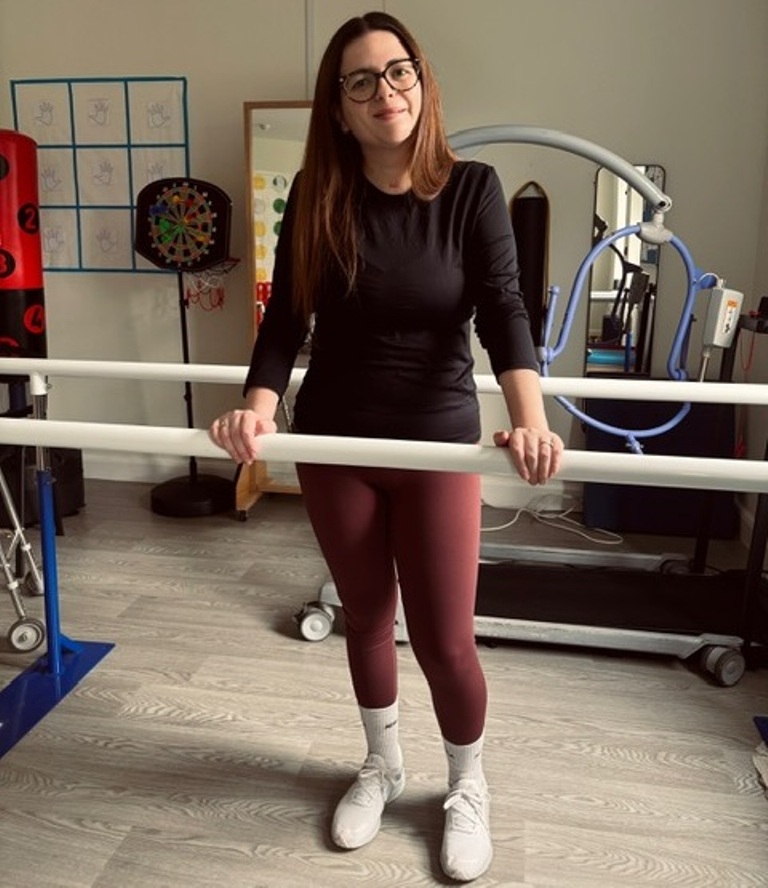
By CHD Living At CHD Living, we believe rehabilitation is about more than recovery – it’s about restoring independence, dignity and purpose. Our specialist centres in Bagshot and Kingston are designed to deliver transformative outcomes for people recovering from complex neurological conditions. One such story is Lucy’s. When 31-year-old Lucy walked out of Bagshot Park [...]
 Neuropsychology5 Sep
New research also reveals they face being placed on wards miles away from their home
 Multiple sclerosis5 Sep
A distinct MS subtype has been identified in patients with significant cognitive impairment but little physical disability, often leaving it undetected and untreated. The subtype affects functions such as information processing, memory and attention, while showing few of the movement difficulties usually linked with multiple sclerosis. Professor Adam Hampshire is professor of cognitive and computational [...]
 Brain injury4 Sep
Occupational therapists in Suffolk are walking three million steps to raise awareness of brain injury recovery and highlight the role of their profession. The challenge, organised by Suffolk County Council’s occupational therapy teams, runs through September and October, with five group walks planned across the county. It takes inspiration from Zara Dyer and Ian Brown, [...]

Renowned as the UK’s leading Wheelchair Accessible Vehicle (WAV) specialists, Brotherwood has further strengthened its commitment to inclusive mobility by expanding its nationwide WAV Hire service. With the addition of new vehicles to their fleet, Brotherwood now offers greater availability and flexibility for clients seeking high-quality, accessible transport solutions on both a short and long-term [...]
 Brain injury1 Sep
By The London Neurocognitive Clinic Recovery after an acquired brain injury (ABI) is rarely limited to physical or cognitive challenges. For many individuals, the most enduring struggles are emotional, including anxiety, depression, grief, or a disrupted sense of identity. While rehabilitation often focuses on functional gains, it is the emotional resilience that ultimately helps people [...]
 Neurophysiotherapy28 Aug
By Urvisha Lunagariya, Ascot Rehabilitation Ltd Rehabilitation for patients with neurological and musculoskeletal conditions often requires a multi-modal approach. While physiotherapy remains the cornerstone of recovery, technological innovations like the GIGER MD machine are showing promise in enhancing outcomes. Our recent retrospective case series explored the combined effects of physiotherapy and the GIGER MD device [...]
 Multiple sclerosis22 Aug
A ketogenic diet may reduce fatigue, improve neurological function and enhance daily life for people with multiple sclerosis, new analysis suggests. The diet, which involves eating very little carbohydrate and replacing it with fat, was linked to benefits in six studies involving people with MS. Researchers stressed the evidence is limited but said the findings [...]
 MND / ALS22 Aug
Researchers have discovered why some nerve cells resist ALS and identified protective factors that could open new paths for treatment. By examining millions of messenger RNA molecules during disease progression, scientists found that motor neurons controlling eye muscles resist ALS because they sustain high levels of protective proteins. The study focused on a hereditary form [...]


