



Clinicians & therapists
For doctors, nurses, therapists and psychologists.
 Research13 Sep
More than 50 per cent of stroke survivors have swallowing difficulties
 Neuropsychology8 Sep
Magnus Medical secures FDA clearance for its SAINT neuromodulation system to treat major depressive disorder (MDD). Magnus Medical is a privately held medical device company that is developing a brain stimulation technology designed to treat people suffering from major depressive symptoms who have not responded to existing treatments. The SAINT neuromodulation system uses structural and [...]
 Neuropsychology22 Aug
AI company Ubenwa is using technology to create infant monitoring tools in order to detect early signs of neurological conditions. Ubenwa uses an infant’s cry to determine whether babies are experiencing signs of neurological conditions. The audio collected is categorised into what is considered a normal cry and what is not. The findings could enable [...]
 Neuropsychology18 Aug
New study also finds that increased risks of depression and anxiety after COVID are short-lived
 Neurophysiotherapy18 Aug
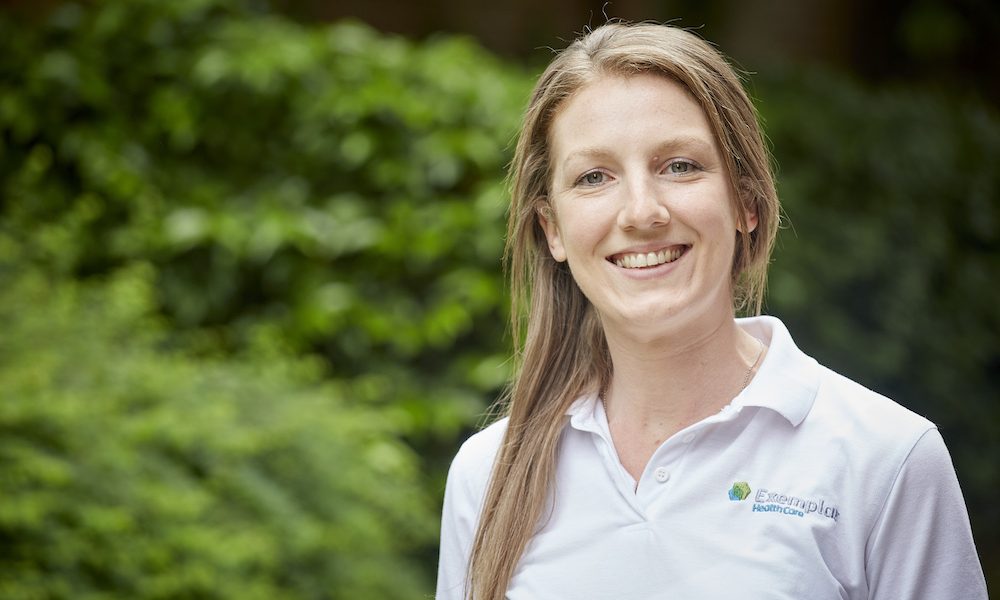
Helen, a physio at Exemplar Health Care, discusses what makes it such a rewarding role
 Tech & industry11 Aug
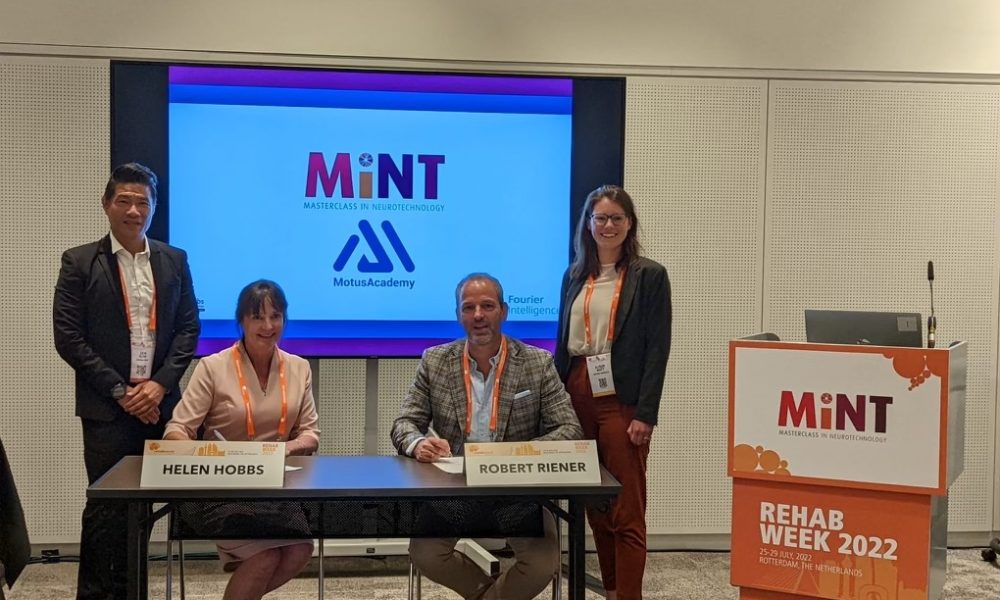
The MoU will see both working together to support the clinical education and application of neurotechnology on a global basis
 Neurophysiotherapy8 Aug
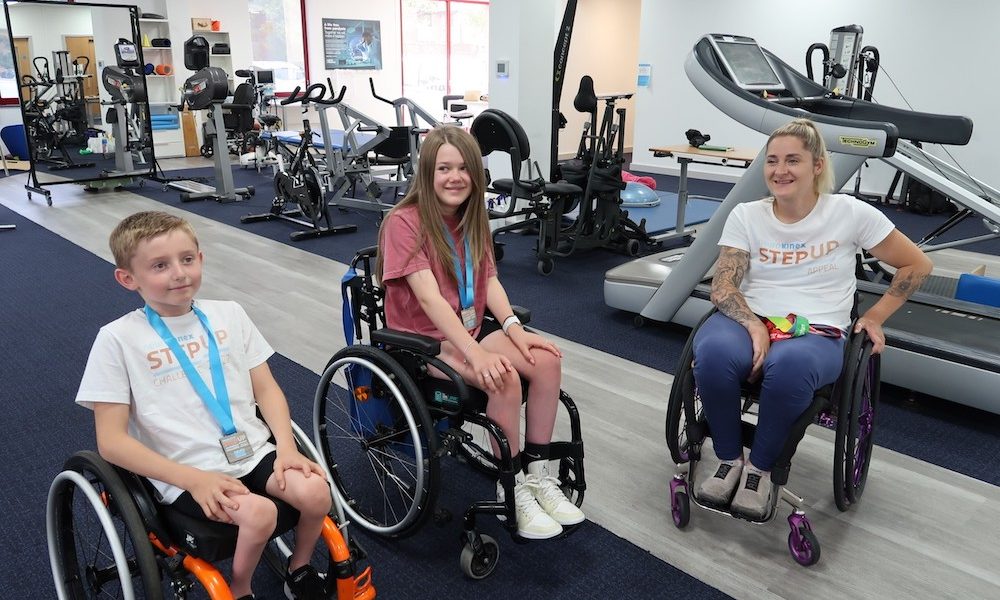
Kylie Grimes MBE acknowledged the children's efforts to support the Step Up Scheme
 Neuropsychology4 Aug
DNA sequencing reveals a much higher chance of diagnosis of autism, ADHD or other mental health challenges
 Research28 Jul
A groundbreaking programme in San Francisco sees the YMCA working with scientists to innovate a better way to community-based dementia care. It comes on the back of funding from the National Institute of Health to Posit Science, for the development of a model-community based programme for dementia prevention in collaboration with the YMCA of San Francisco. NR [...]
 Neuropsychology28 Jul
A new study has identified a neurotransmitter responsible for marking a memory positive or negative. The discovery, published in Nature, paves the way for a better understanding on why some people are more likely to retain negative emotions than positive ones. This could treat disorders such as anxiety, depression or post-traumatic stress disorder (PTSD). Kay [...]


