



Clinicians & therapists
For doctors, nurses, therapists and psychologists.
 Care & services27 Aug
The offering for service users at a Recovery College is being expanded after a successful first year in operation. Heatherwood Court, a low security hospital offering treatment and rehabilitation for men and women on a forensic mental health pathway, launched its Recovery College in 2020. The Recovery College offers service users a broad range of courses encouraging them to develop new skills to aid them in their recovery and to help with their return to the community. The college is co-managed by service users themselves, giving them an active role to play in its production and delivery, putting them at the heart of its success. Becoming firmly established within its first 12 months, the team at Heatherwood Court - located near Cardiff and owned and managed by specialist healthcare provider, Ludlow Street Healthcare - have now developed a new prospectus with a wider course offering to reflect the requirements of service users.
 Therapy23 Aug
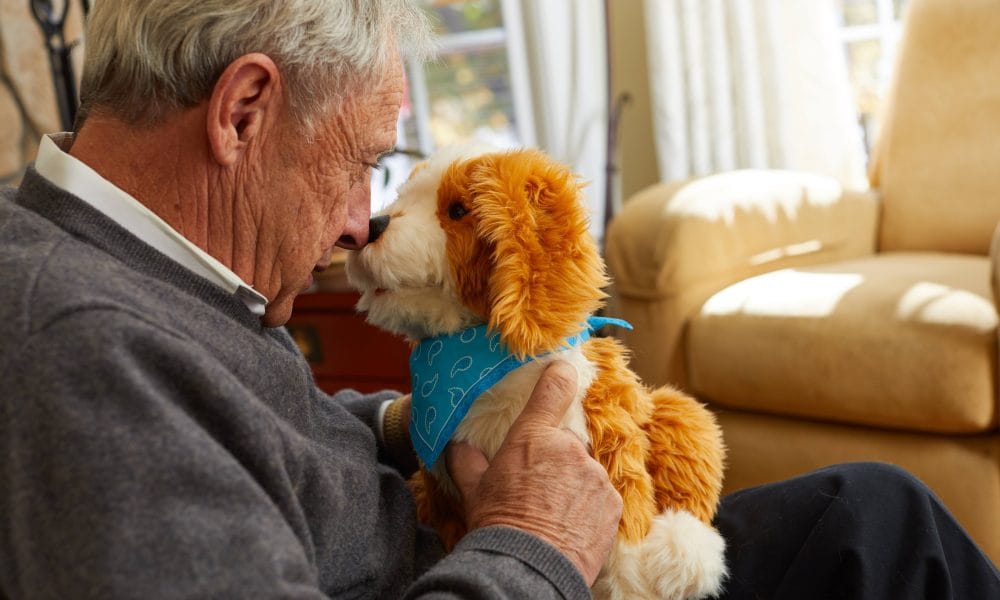
In dementia cases, the instinct to look after and nurture something or someone can be among the last things to leave a person. People with the neurodegenerative condition may hold dolls while in care, for example, as their brain recognises them as objects requiring their care and attention. While pets can also help to satisfy this need, taking care of them may be too much responsibility for many with the disease. A new solution is emerging, however, in the form of robotic animals. At the heart of this robot-revolution is Deborah Spratley, founder of Plymouth-based RoboPets, which distributes these devices to care homes across the UK. The soft and cuddly animals have shown their power to transform dementia and Parkinson’s patients’ quality of life – but are far more than mere toys. They utilise the latest robotic technology to respond to their carers actions, as well as making life-like noises. They help to foster a sense of responsibility, and empowerment, allowing patients to forget about their conditions and feel in control of their lives.
 Case management17 Aug
Neuro-physio provider Neurocare Physiotherapy, based north west England, is now part of complex case management and rehabilitation specialist A Chance for Life Ltd. For almost two decades, Neurocare Physiotherapy has treated patients across the North West for neurological conditions such as stroke, MS, Parkinson’s, foot drop, head injury and other disorders.
 Neuropsychology16 Aug
Could gaming really detect depression, anxiety or Alzheimer's Disease? We meet Emilia Molimpakis from Thymia who are working with clinicians on games to diagnose your mental health.
 Research13 Aug
UK researchers have found further evidence of the ongoing mental impacts of COVID-19 in people who have recovered from the disease.
In a study involving more than 80,000 people, researchers found that those with more severe COVID-19 symptoms scored lower in an a series of online tests, with performance on reasoning and problem-solving tasks being most affected. Further analysis showed that those who received mechanical ventilation to help them breathe whilst in hospital had the greatest impairment on cognitive tasks. According to the team, the findings further highlight how COVID-19 infection can have lasting, and measurable, impacts on people’s brain function. Therapy12 Aug
Can nature support physical and psychological wellbeing for adults with acquired brain injury (ABI) or long-term neurological conditions (LTNC)? Dr Anita Rose, consultant clinical neuropsychologist at The Renovo Care Group, explores the issue “Being in nature is not only inspiring, it also has medical and psychotherapeutic potential. By experiencing nature, we place our body in the original functional circle made of humans and the environment from which we emerged. We put two matching puzzle pieces together – us and nature into one whole.” Clemens G. Arvay (Healing code of nature) We can all find ourselves in stressful situations during our lifetime. In fact, the whole of humankind has faced challenges and adversity during the recent pandemic. When we are facing crises it is natural to look for refuge, a safe environment, a place of healing.
 Brain injury12 Aug
Outdoor activities are being included in the rehabilitation plans for clients with brain injuries by the vast majority of insurers and defence solicitors, it has been revealed.
The newly-opened neurorehabilitation centre Calvert Reconnections polled 112 defence solicitors during June and July 2021, with 81 per cent saying they include outdoor activities in their rehabilitation plans. In further findings, 82 per cent said that funders and referrers face a lack of choice in relation to brain injury rehabilitation options, while 88 per cent highlighted a specific shortage in residential-based programmes.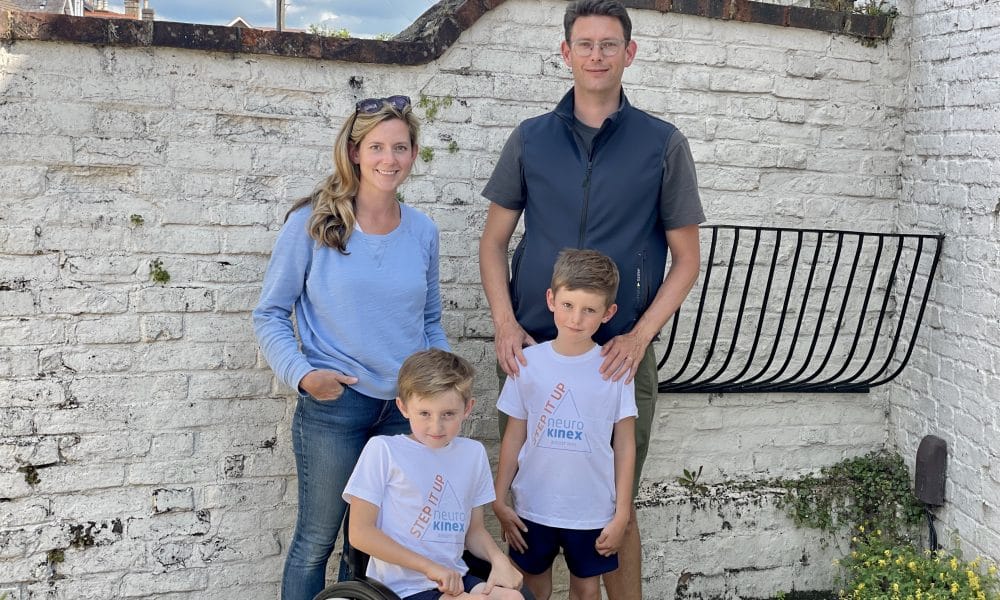 Stroke6 Aug
An eight-year-old boy has rallied his family to join him on a 330-mile charity challenge to safeguard a life-changing spinal cord injury rehabilitation programme which has supported him.
Jasper Thornton-Jones was paralysed aged two after a spinal stroke. Key to his rehabilitation therapy since then has been the Neurokinex Charitable Trust, based near Gatwick. Jasper was the first paediatric client at Neurokinex when he started there in September 2016 on its Step Up Scheme. The initiative has proved life-changing for many patients, and offers a set of six free rehab sessions for adults and children with a new spinal cord injury. The scheme costs the Neurokinex Charitable Trust £420 per person to fulfil and relies on funding for its survival. Research3 Aug
In a world-first, a UK trial will test if a cannabis-based mouth spray can be used to treat aggressive brain tumours.
A major trial of cannabis-based drug Sativex in treating the most aggressive form of brain tumour is set to launch at 15 NHS hospitals around the UK. The new phase II trial, led by the University of Leeds, will assess whether adding Sativex – an oral spray containing cannabinoids THC and CBD – to chemotherapy, could extend life for thousands diagnosed with a recurrent glioblastoma. Glioblastomas are the most common and most aggressive form of brain cancer, with around 2,200 people diagnosed each year in England alone. Almost all glioblastomas recur even after intensive treatment including surgery, radiotherapy and chemotherapy, and average survival is just 12-18 months from first diagnosis. Research3 Aug
Motivation depends on how the brain processes fatigue, new research has revealed.
Willingness to undertake tasks is not static and depends upon fluctuating rhythms of fatigue, researchers from the University of Oxford and University of Birmingham have discovered. Fatigue – the feeling of exhaustion from doing effortful tasks – decreases motivation and makes people want to take a break. Although scientists understand the mechanisms the brain uses to decide whether a given task is worth the effort, the influence of fatigue on this process is not yet well understood. The research team conducted a study to investigate the impact of fatigue on a person’s decision to exert effort and found that people were less likely to work and exert effort – even for a reward – if they were fatigued.


