



Profession ›
Clinicians & therapists
For doctors, nurses, therapists and psychologists.
 Tech & industry28 Jun
With the creation of LusioMATE, rehabilitation is being revolutionised through the use of gaming. NR Times meets Justin Keenan, CEO of Lusio Rehab, to learn more about the world-first device
From a series of chance encounters came the creation of a business which is helping to revolutionise therapy and rehabilitation on a global scale through the use of gaming. With the creation of LusioMATE, the world’s first wearable therapy controller and game ecosystem, Lusio Rehab is helping to redraw the boundaries and rehab potential for people living with neurological conditions and other disabilities around the world. Since its launch in 2019, the device has expanded far beyond its origins in Australia to be in use in the UK, across Europe, the United States and South America. Neuropsychology24 Jun
Depression in childhood or adolescence is associated with higher levels of adult anxiety and substance use disorders, worse health and social functioning, less financial and educational achievement, and increased criminality.
New research, published by Elsevier, has highlighted the impact of depression between the ages of nine and 16 as being a possible risk factor in future life. The findings are based on the Great Smoky Mountains Study, an ongoing longitudinal community-based project tracking the health of 1,420 participants from the rural US Southeast that has been ongoing since 1993. "One in 12 children struggle with depression at some point between the ages 9 and 16, with girls more likely to be affected than boys. This is a common childhood challenge, that, unfortunately, often goes unnoticed by the adults in children's lives, including parents, teachers, and paediatricians," says lead author William Copeland, professor in the Department of Psychiatry at the University of Vermont. Brain injury23 Jun
The use of Neurologic Music Therapy (NMT) can be critical for young children starved of oxygen at birth as evidence shows the injured brain can recover function, according to experts in the field.
A child’s brain structure changes as a result of illness or injury and research shows that the injured brain can recover function and the ability to respond to music can remain intact, even when those functions of the brain are damaged. For young people who have suffered a brain injury—either at birth, acquired, trauma-related or as a result of a condition such as cerebral palsy or epilepsy—NMT uses specific, age-appropriate techniques to help maintain or improve skills such as speech, language and communication—as well as motor and cognition skills. In the case of children with an acquired brain injury, NMT techniques are typically focused on a child’s development and enabling them to acquire functional skills for the first time. Lucy Collings Pettit, Neurologic Music Therapist at Chroma, says: “Babies who are starved of oxygen at birth can suffer Hypoxic—Ischemic Encephalopathy (HIE). In such an event, a child’s brain injuries can result in developmental and cognitive impairments.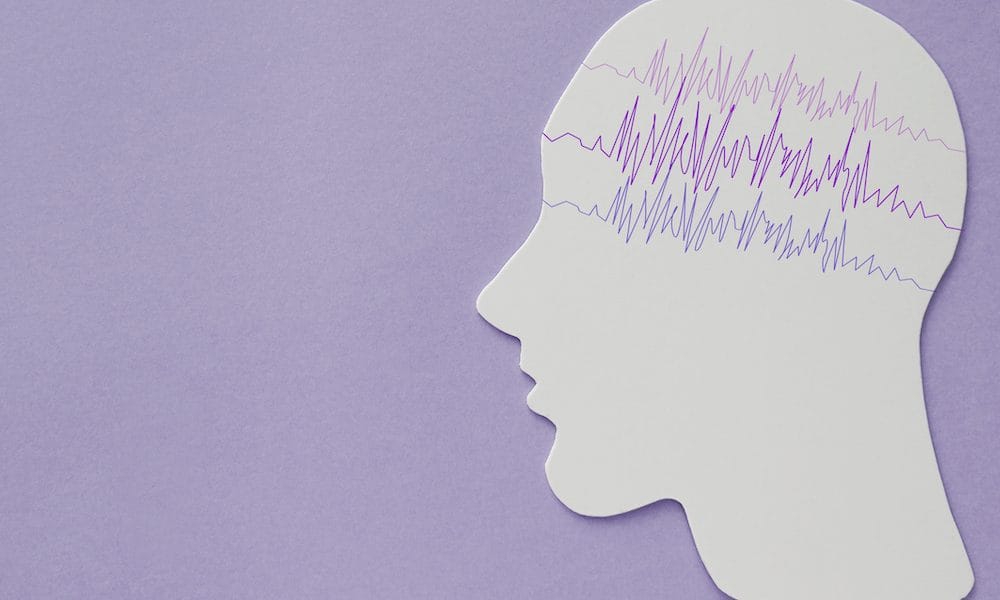 Neuropsychology14 Jun
Neurological and psychiatric symptoms including fatigue and depression are common among people with COVID-19 and may be just as likely in people with mild cases, according to a new study.
By reviewing evidence from 215 studies of COVID-19, the extent of the virus affecting mental health and the brain has been discovered. “We had expected that neurological and psychiatric symptoms would be more common in severe COVID-19 cases, but instead we found that some symptoms appeared to be more common in mild cases,” says lead author Dr Jonathan Rogers, UCL Psychiatry and South London and Maudsley NHS Foundation Trust. “It appears that COVID-19 affecting mental health and the brain is the norm, rather than the exception.” Neuropsychology7 Jun
The COVID-19 pandemic has had a "significant, detrimental" impact on adolescent mental health, especially in girls, a new study has found.
In research involving over 59,000 Icelandic teenagers, negative mental health outcomes were disproportionately reported by girls and older adolescents (13 to 18-year-olds), compared to same-age peers prior to the pandemic. At the same time, it revealed a decline in cigarette smoking, e-cigarette usage and alcohol intoxication among 15 to 18-year-old adolescents during the pandemic. The study is the first to investigate and document age and gender-specific changes in adolescent mental health problems and substance use during the COVID-19 pandemic, while accounting for upward trends that were appearing before the pandemic. Thorhildur Halldorsdottir, a clinical psychologist and assistant professor of psychology at Reykjavik University who is the study co-principal investigator, says the study represents a "landmark contribution to what we now know about just how psychologically devastating being socially isolated from peers and friends during the ongoing pandemic has been for young people."- Research25 May
Young people have a decision making ability distinct from IQ, which is associated with good social function but may be linked to poor mental health, a new study has revealed.
The decision-making ability, called ‘decision acuity’, is a novel construct and may be underpinned by how strongly certain brain networks are connected, researchers from UCL and Karolinska Institutet found. “We worked to improve understanding of the brain underpinnings of decision-making ability in adolescence and early adulthood – a critical period of development and a common time for the emergence of psychiatric disorders,” says Dr Michael Moutoussis, of Max Planck UCL Centre for Computational Psychiatry & Ageing Research and Wellcome Centre for Human Neuroimaging, UCL Queen Square Institute of Neurology.  Research19 May
Over half of those living with neurological conditions who could not access speech and language therapy (SLT) during COVID-19 lockdown have seen their mental health, social and home lives worsen as a result, new research has revealed. Between March and June 2020, 41 per cent did not receive any SLT, with a further 32 per [...]
 Long COVID18 May
Long COVID can cause psychological symptoms including mood disorders, fatigue and perceived cognitive impairment that can impact on returning to work and resuming normal activities, new research has revealed.
A new study reports on the first 100 patients to participate in Mayo Clinic's COVID-19 Activity Rehabilitation program (CARP), one of the first multidisciplinary programmes established to evaluate and treat patients with post-COVID-19 syndrome, also known as Long COVID. More than a third of patients reported difficulties performing basic activities of daily living, and only one in three patients had returned to unrestricted work activity.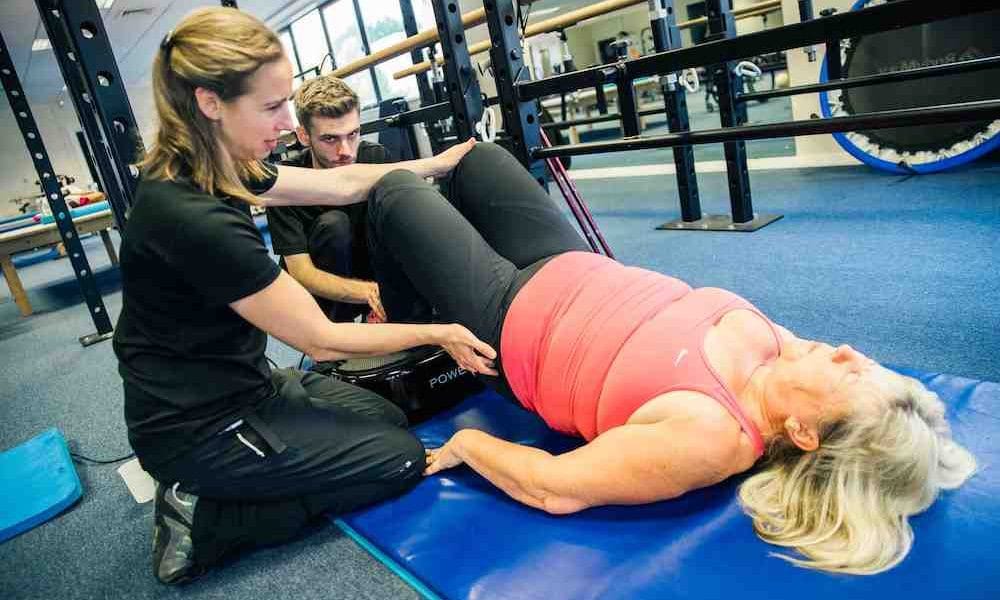 Neurophysiotherapy17 May
Defining when rehabilitation should start seems straightforward.
As soon as an individual is medically stable, evidence shows that it is beneficial for rehabilitation to begin. Starting at this earliest opportunity helps to minimise the effects of deconditioning and inactivity and reduce the risk of pressure sores and contractures. Defining the length of rehabilitation, however, and when it should ‘end’ is more tricky and continues to be subject to debate. Neuropsychology11 May
Two neuropsychologists have joined forces to create an education programme for brain injury survivors, their loved ones and medical professionals alike, to help them better understand how to move forward with life after such traumatic events. The Brain Place has been created by Dr Kim Fletcher and Dr Amanda Mobley, who are building on the [...]


