



Clinicians & therapists
For doctors, nurses, therapists and psychologists.
 Neurophysiotherapy6 May
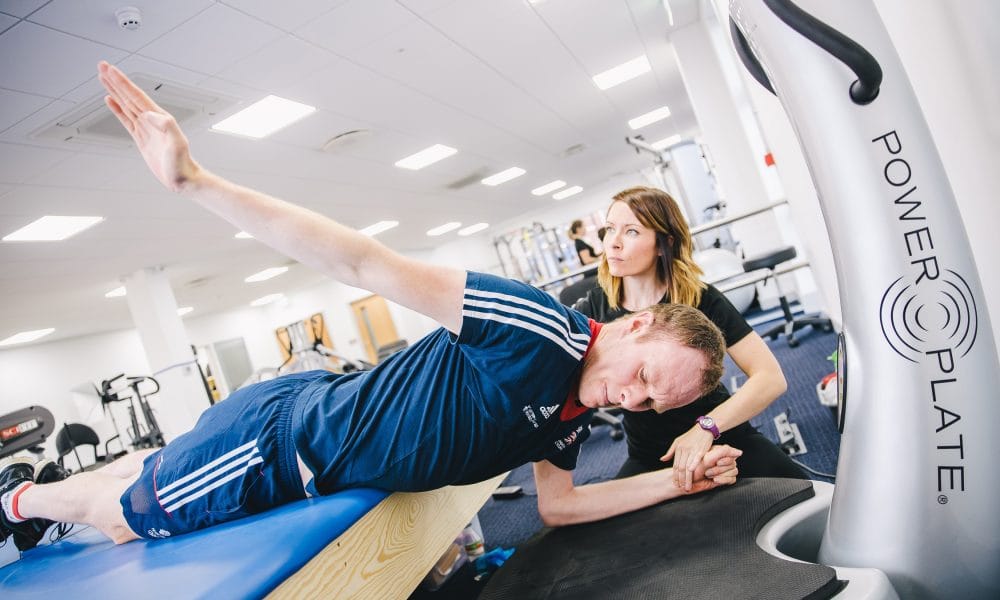
Intensity is essentially the amount of work you do in a given period of time using these four components of exercise - Load, Distance, Speed and Time.
For example, with resistance training, this could be measured by how much load/weight you move, how far it is moved, how quickly it is moved and how long that weight was moved for. Using this understanding, a larger load moved more quickly will be recognised as being completed at a higher intensity than if one of those components was less. Knowing the intensity a client can work at allows you to apply overload which is where you increase intensity to permit a physiological adaptation. Neuropsychology6 May
A groundbreaking trial is to be launched today which uses digital avatars to represent the auditory hallucinations experienced by people with psychosis.
The AVATAR 2 trial uses the unique therapy to help those with psychosis increase power and control over the voices they hear and reduce their distress. The trial – led by the University of Glasgow and developed by King’s College London, UCL and UCL Business – is being launched in Glasgow with an online event which will celebrate the first full quarter of running the AVATAR2 trial in Scotland. The therapy trial is also being extended to sites across the country including University of Manchester, as well as King’s College London and University College London.The AVATAR 2 trial uses the unique therapy to help those with psychosis increase power and control over the voices they hear and reduce their distress. The trial – led by the University of Glasgow and developed by King’s College London, UCL and UCL Business – is being launched in Glasgow with an online event which will celebrate the first full quarter of running the AVATAR2 trial in Scotland. The therapy trial is also being extended to sites across the country including University of Manchester, as well as King’s College London and University College London. Stroke28 Apr
There are more than 100,000 new incidences of strokes in the UK each year - that is around one stroke every five minutes. 1.2 million people in the UK live with the after effects of stroke every day, making stroke one of the most resource-intensive indications faced by the NHS today, and a huge challenge for many years to come. The NHS and social care costs of stroke are around £1.7 billion a year in England. Therefore, stroke inevitably demands medical and therapy solutions founded on sound scientific principles, such as those provided by Ottobock.
 Research27 Apr
Gender differences are clear when it comes to military veterans seeking and accessing mental health support due to stigma around seeking such help, new research has revealed.
Although only a minority of both male and female veterans are accessing support, females appear to have additional barriers to overcome when seeking help, such as negative gender stereotypes and a lack of recognition of their veteran status. Barriers to accessing mental health services among veterans are well researched in the UK, and examples include a lack of military specialist healthcare professionals and anticipated mental health-related stigma. However, these studies have included predominantly male participants, meaning the understanding of barriers to access experienced by female veterans is limited.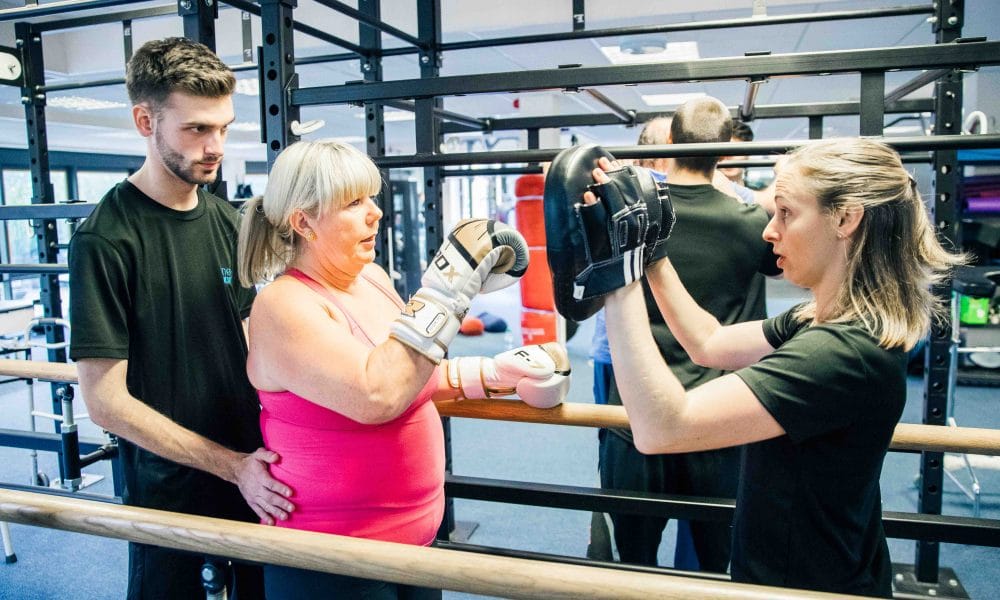 Spinal injury23 Apr
Established using best practice in spinal cord injury therapy from around the world, the rehabilitation offered by Neurokinex is helping to redefine the possibilities for people living with paralysis. NR Times learns more about its neuroscience-inspired work
“We want to help change people’s outlook on life.” Jane Symonds’ summary of the work of Neurokinex, and its approach to redefining possibilities for people living with paralysis, is a powerful one. For aside from the work the rehab provider does with patients physically, using techniques to stimulate the whole body rather than only the functional areas, the impact its neuroscience-inspired approach has mentally is possibly even greater. Neuropsychology19 Apr
Children who experience cognitive problems including low attention, poor memory or lack of inhibition may later have mental health issues as teenagers and young adults, new research has found. Analysing data from 13,988 individuals born in the UK between April 1991 and December 1992, the study discovered a number of key and specific links between childhood cognitive problems and mental health issues in later life, such as:
- Deficits in sustained attention in eight-year-olds precede development of borderline personality disorder (BPD) symptoms at 11-12 years and depression at 17-18 years;
- Difficulties with inhibition in eight-year-olds were associated with psychotic experiences at 17-18 years;
- Working memory deficits in 10-year-olds were related to hypomania at 22-23 years.
 Neuropsychology14 Apr
The numbers of suicides globally remained largely unchanged or even declined in the early months of the COVID-19 pandemic, compared with the levels experts feared.
Amidst the developing mental health crisis arising from the deadly virus sweeping the world, a new study has shown that between April 1 and July 31 last year, suicide levels in 21 countries worldwide did not increase. However, the authors of the study, published in The Lancet Psychiatry journal, note that this only provides a snapshot of the early stages of the pandemic - and that governments must remain vigilant to longer-term mental health effects. Therapy12 Apr
As Chroma partners with a North Devon school to deliver a full arts therapies service, Lucy Collings Pettit, a Neurologic Music Therapist with Chroma, discusses the power of such therapy in children
In September 2020, building upon successful existing music therapy provision, Pathfield School in North Devon introduced a full arts therapies service within their school, in partnership with Chroma. The Chroma team consists of a neurologic music therapist, an art therapist and a drama therapist.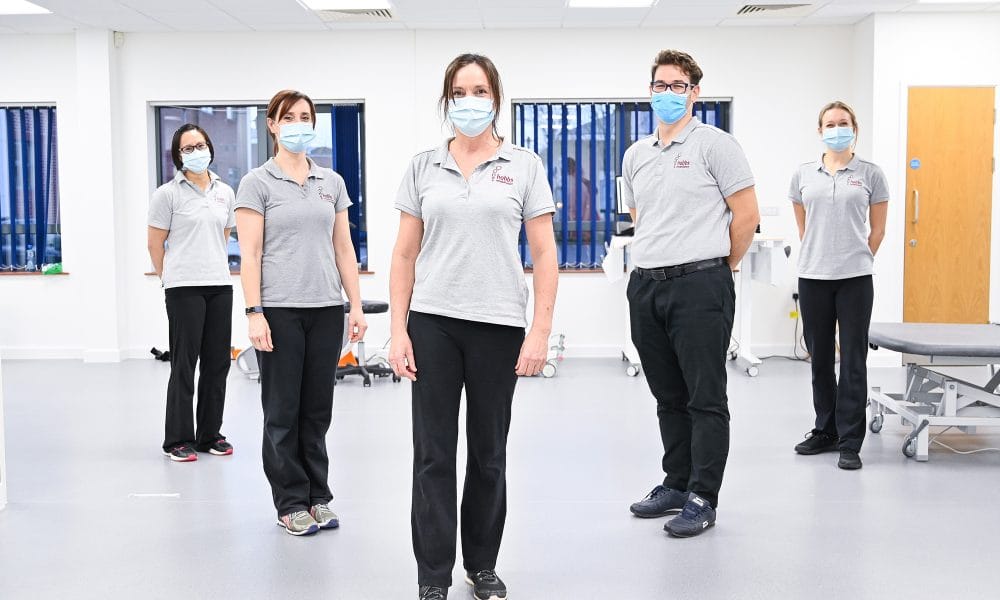 Neurophysiotherapy7 Apr
A rehabilitation specialist is expanding its offering through the opening of the first intensive neurotherapy centre in the south of England.
Hobbs Rehabilitation has invested £500,000 in its new Intensive Neurotherapy Centre in Bristol, which has given 2,000sq ft of space to more than double its level of technology available at its previous Bristol clinic. It also gives the potential to deliver a six-fold increase in the intensity of treatment, all backed by data to chart patient progress and outcomes. Neuropsychology29 Mar
Aggressive and angry parenting practices can have long-term repercussions for a child’s brain development, new research has found.
Repeatedly getting angry, hitting, shaking or yelling at children is linked with smaller brain structures in adolescence, which can have emotional and social impact later in life.


