



Profession ›
Clinicians & therapists
For doctors, nurses, therapists and psychologists.
 Brain injury26 Mar
A study has laid bare the pressures facing paediatric neuro-rehab professionals at the height of the pandemic, and how they were able to quickly adapt to new working practices.
It also highlights the need for greater support for families affected by neurological conditions in accessing technology; and for more research into the efficacy of remote interventions. The Paediatric Neuro-rehabilitation Special Interest Group (PNR-SIG) charted the experiences of professionals from the start of the first lockdown and throughout subsequent months. Respondents were largely clinical or educational psychologists involved in paediatric neuro-rehab. Neuropsychology22 Mar
Practicing a form of meditation can lead to significant reductions in the severity of symptoms of Post Traumatic Stress Disorder (PTSD), new research has found.
In a study of veterans who adopted the Transcendental Meditation technique, 50 per cent of the group no longer met criteria for PTSD after three months. The randomised controlled study also showed significant reductions in veterans’ symptoms of depression, anxiety and sleep difficulties. Neurophysiotherapy19 Mar
Early intervention neurophysiotherapy can be vital in maximising outcomes for patients after stroke, new research has found.
Following ischaemic stroke, researchers found that the capacity of the human brain to recover and rewire itself peaks after around two weeks. And it is during those crucial early stages, when the brain has a greater capacity to modify its neural connections and its plasticity is increased, when neurophysiotherapy can deliver optimum impact. “It is during this early period after stroke that any physiotherapy is going to be most effective because the brain is more responsive to treatment,” says Dr Brenton Hordacre, lead author of a study conducted in London and Australia.
The “once in a lifetime opportunity” to support people whose communication and swallowing needs have suffered during the pandemic must be taken, with the Government needing to urgently support speech and language therapy in this area.
That is the message from more than 80 organisations nationally, which work with, represent and support people with communication and swallowing needs, after the significant detrimental impact people have faced over the past year through their therapy being withdrawn or done remotely. Neuropsychology17 Mar
Growing evidence is emerging that COVID-19 can lead to long-term neuropsychological deficits, even in its mild or moderate respiratory forms, a new study has concluded.
For years, health experts have suspected the presence of long-term neuropsychological deficits after SARS-C0V-2 infection, with studies about the two previous coronavirus outbreaks - the severe acute respiratory syndrome (SARS) and the Middle East respiratory syndrome (MERS) - demonstrating the presence of neuropsychological symptoms. These include sleep disorders, emotional instability, impaired concentration, frequent recall of traumatic experiences, impaired memory and fatigue. The symptoms were shown to manifest in more than 15 per cent of affected patients about one month to 3.5 years following infection.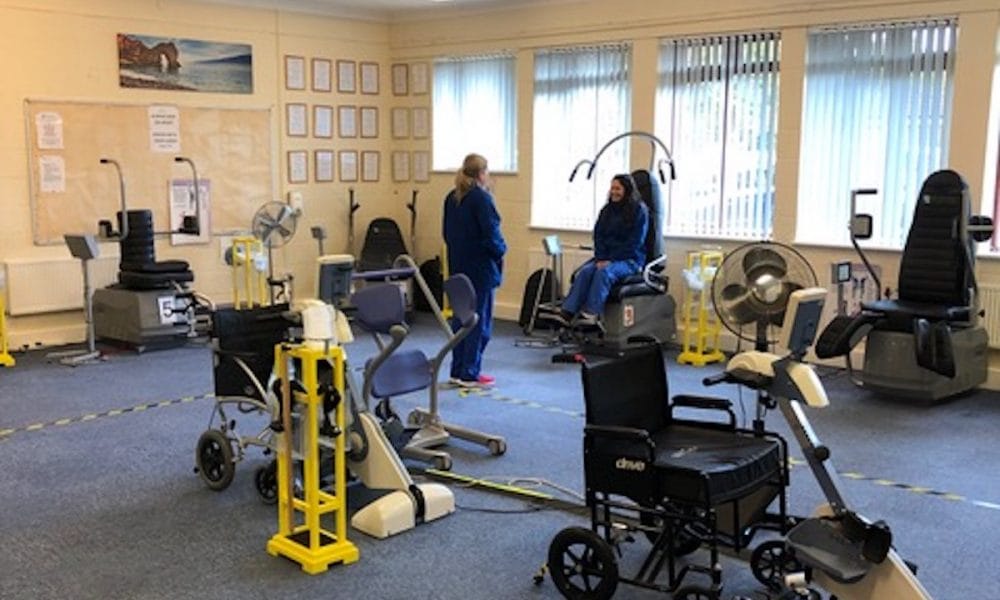 Neurophysiotherapy5 Mar
A community therapy centre which enables neuro patients access to the physio-led exercise which can support their recovery continues to expand in response to demand for its services.
West Berkshire Therapy Centre was opened in 2014 to bridge the gap in existing community resources, and initially opened for 20 hours a week with ten items of equipment. Since that time, the Thatcham centre has expanded into premises twice the size of its initial home, and now has 17 items of equipment which clients can access 35 hours each week.
Through community speech and language therapy continuing even during the height of lockdown, many patients received a “massive boost” from the progress being made in regaining or maintaining their communication and swallowing abilities.
While many therapies were stopped or conducted remotely, speech and language therapy (SLT) continued in-person throughout the pandemic, supporting people in their recovery from brain injury or stroke, as well as working with those with progressive neurological conditions.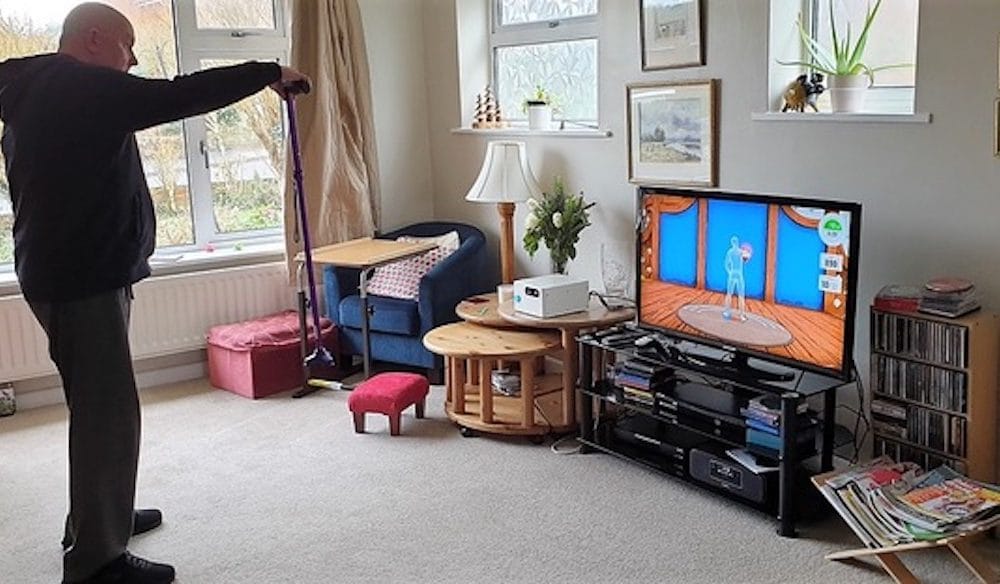 Neurophysiotherapy24 Feb
Neurophysio patients are receiving personalised virtual rehabilitation through the adoption of new technology.
Hobbs Rehabilitation is supporting chronic stroke patients by enabling them to use the EvolvRehab platform for at-home therapy, with exergames playing a central role in the rehab approach. The use of EvolvRehab will be subject to a year-long study - funded by the Seedcorn funding program of the NIHR Brain Injury MedTech Co-operative (MIC) based in Cambridge, with researchers from the University of Winchester - to measure the level of effectiveness, as well as acceptance by patients. Initial feedback from the first two stroke survivors to begin using the newly-launched Evolv RehabKit has been described as “extremely positive” with three-month programmes involving the use of prescribed exergames designed around their individual needs.
Being diagnosed with dysphagia (also referred to as swallowing difficulties) can be an overwhelming feeling. From diagnosis to understanding which foods are safe to eat, here Wiltshire Farm Foods shares tips and advice on living with the condition.
Being Diagnosed with Dysphagia Once you are diagnosed with dysphagia, your Speech and Language Therapist may recommend that you amend your diet. This will involve modifying the textures of the food you consume, making it easier and safer for you to swallow. Neuropsychology12 Feb
Following this week’s neurodiversity evidence review, organised by HM Inspectorate of Prisons, Dr Ivan Pitman, consultant clinical neuropsychologist at The Disabilities Trust, who was part of the round-table event, shares his comments.
“This follows our work over the past 20 years and which culminated in the UK Government’s formal acknowledgment in Parliament in June 2018 of the widespread prevalence of brain injury within the Criminal Justice System; a milestone in acceptance which we were proud to have reached with our colleagues in the sector. Our work at The Disabilities Trust has shown that brain injury in adult males, women and adolescents within Criminal Justice System is up to five times higher than the general population - a figure too pointed to be ignored.


