



Stroke
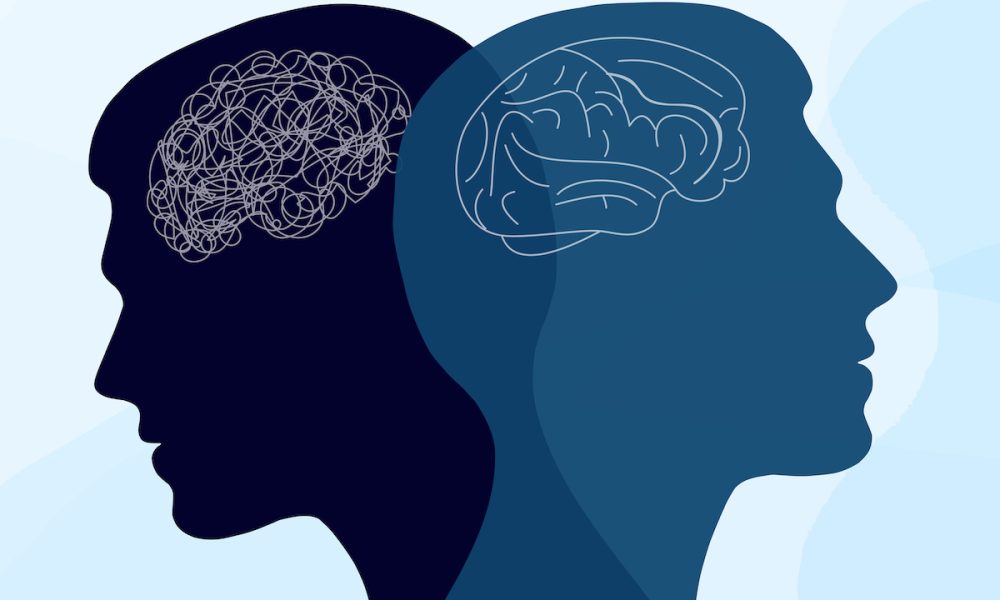
Clinical neuropsychologist Dr Lynn A Schaefer provides NR Times readers with an in-depth summary of post-brain injury and stroke behavioural changes.
When I speak to groups about the neuropsychiatric sequelae of brain injury, I always start with the story of Phineas Gage. In the field of neurorehabilitation, the tale of Phineas Gage is both compelling and memorable. Phineas Gage was a railroad foreman, blasting rock to lay track in the 19th century in Vermont, US. As the story goes, the tamping rod he was using to pack dynamite into the rock was blown through his left cheek when the dynamite exploded prematurely. The rod took out his left eye and exited through the top of his skull. Gage miraculously survived but thereafter was reportedly “no longer Gage.” His behaviour and personality were profoundly changed, although he was able to walk and his memory was unaffected. Read this article in full for an in-depth summary of the wide range of post-brain injury and stroke behavioural changes.
'Interventions to improve sleep may also reduce the risk of stroke,' say researchers

Reach Neuro has received a breakthrough device designation from the FDA for its spinal simulation device, Avantis. The FDA awarded this breakthrough device designation due to Avantis prioritising an important area currently lacking long-term treatment for stroke patients managing upper body paralysis. By using small electrical impulses delivered to the spinal cord, the Avantis helps [...]

New study examines role of brain health in better outcomes for survivors
This week saw the announcement that the National Clinical Guideline for Stroke is to be updated for the first time since 2016. These updates come in order to align the guidelines to reflect innovations and developments made since 2016. The Guideline Development Group of the Intercollegiate Stroke Working Party, who are a multi-disciplinary group of [...]
Pioneering stroke rehabilitation tech developers Bioliberty have secured £2.2 million in funding in order to further develop its robotic glove which helps to restore upper limb mobility. The lifeglov, supports rehabilitation for both the closing and opening strength of the hand, it also fills a unique gap in the market as it monitors key metrics [...]

Pioneering upper limb rehab tech set to launch in US next year to support stroke survivors
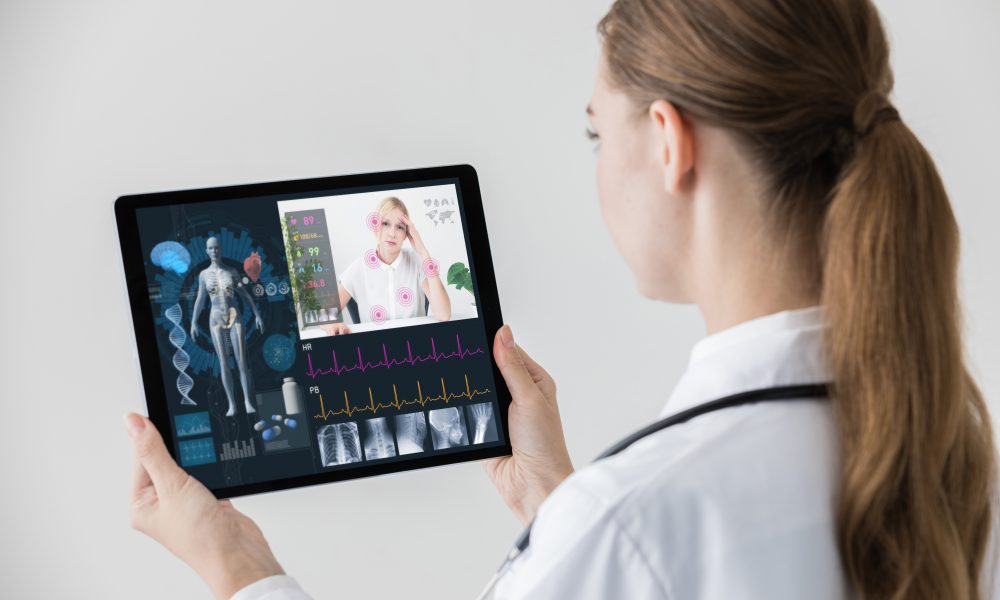
Use of digital means can address inequity in post-stroke rehabilitation provision, study finds
The ability to drive gives us the power to travel independently, whether it is just the everyday drive to work or dropping the kids at school, however, for a stroke survivor, whether they are able to resume driving depends on the after affects of their stroke. Here, SR Times explores the guidelines and regulations regarding [...]

Cavendish Homecare discuss post-stroke rehab and maximising independence


