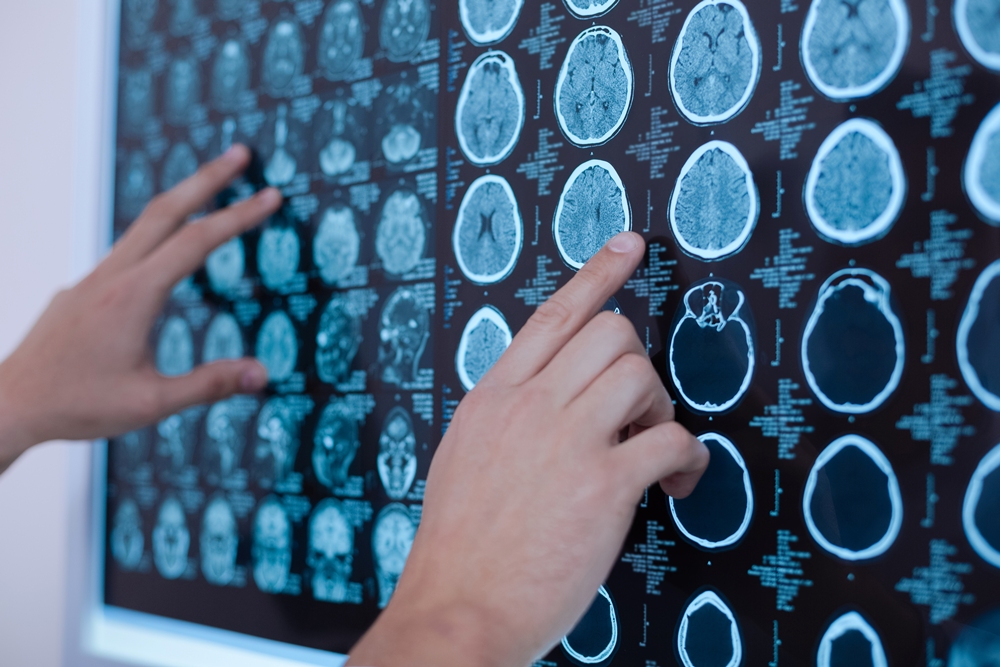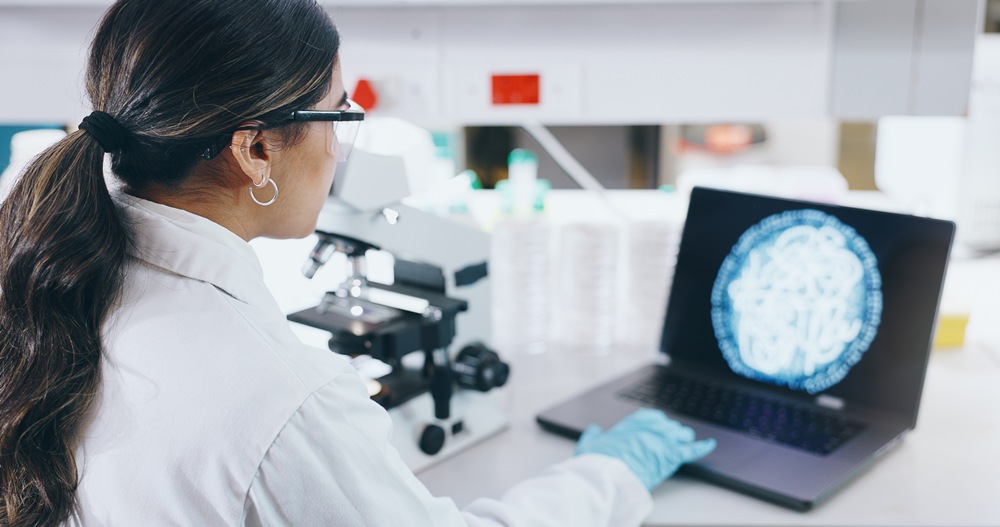
A laboratory cell model that mimics the brain’s response to implanted devices could make brain implant testing faster, cheaper and more ethical.
Brain implants could help restore functions in people with neurological disorders, but the body’s immune response remains the biggest barrier to their long-term success.
This response can cause scar tissue to form around implants, interfering with their ability to communicate with brain cells.

Researchers at the University of Melbourne have recreated this immune reaction by combining brain cells with immune cells from the bloodstream in a laboratory dish.
The study was co-led by Dr Wei Tong from the School of Physics and associate professor Bryony Nayagam from the Faculty of Medicine, Dentistry and Health Sciences, with School of Physics PhD student Negin Jalilinejad as first author.
Tong described the research as the first of its kind to propose reducing animal studies to accelerate the development of brain-machine interfaces.
Tong said: “Brain implants have the potential to transform the lives of people living with neurological and psychiatric disorders, but their long-term performance remains a significant challenge.
“Testing new devices often relies on implanting them into live animals, which is ethically challenging, costly, time-consuming and does not always accurately predict what happens in humans.
“While alternatives to animal testing have been widely explored in drug development, they have received far less attention in medical devices.
“We are developing models that may reduce studies in live animals. Our model would serve as the first screening step before animal studies, meaning only designs that perform well in the cell model would progress to animal testing.”
The researchers also found that anti-inflammatory treatment reduced the immune response in the laboratory model.
This suggests that reducing scar tissue formation around implanted devices could potentially improve their longevity and effectiveness.
Many existing cell culture models focus on cells already present in the brain, but the new system also includes macrophages, immune cells that can enter from the bloodstream following implantation.
Their inclusion allows researchers to study how different types of immune cells interact, something simpler laboratory models may miss.
Jalilinejad said: “Bringing these populations together allows us to investigate interactions that simpler models can miss. It highlights the importance of studying the combined immune response when developing brain implants.”
Alongside reducing animal use, the model could speed up device development by allowing researchers and medical device manufacturers to rapidly screen new materials and designs before carrying out more complex tests.
Nayagam said: “Our long-term goal is to help develop brain implants that work better, for longer, while reducing the need for animal testing wherever possible.”
The team is now working to develop more sophisticated models using human stem cells and three-dimensional laboratory-grown brain tissue containing its own immune cells.
These models could more closely represent the human brain and help researchers better predict how implants will perform in patients.