My journey back after a life-changing stroke: Jaffer’s story
On 11 January, I woke up with a headache and an overwhelming feeling that something wasn’t right.
As a GP registrar, I tried to reassure myself it wasn’t a stroke. But within minutes, I lost all power down my left side. I called my wife, who immediately phoned for an ambulance.
Shortly afterwards, I lost consciousness. Three weeks later, I woke up in intensive care.
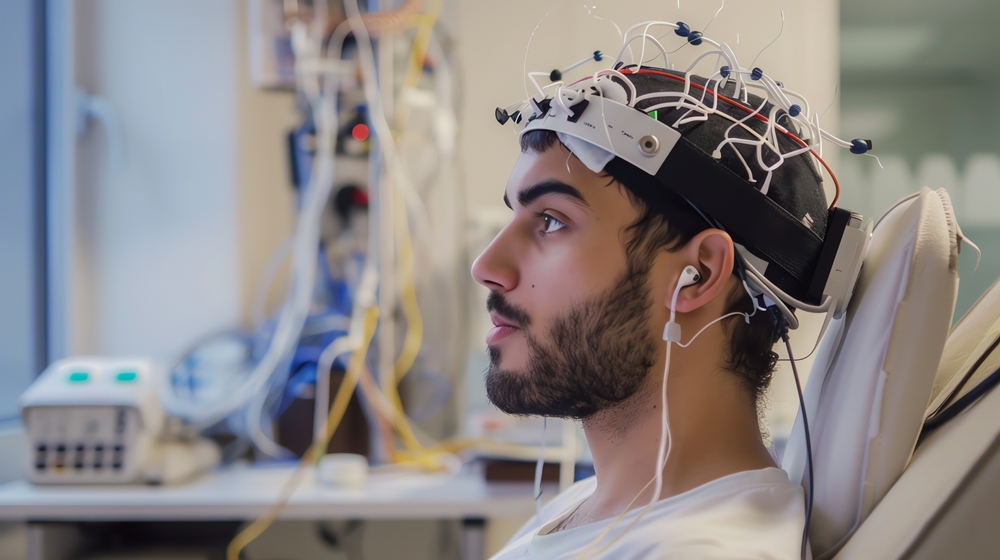
My stroke was caused by an arteriovenous malformation (AVM), a congenital condition I never knew I had. It caused a major bleed on my brain and changed my life in an instant.
The early days were incredibly tough. I was emotional, confused and frustrated, especially when I couldn’t walk. But once I saw my brain scan, I understood the severity of what had happened and decided to focus on one thing: recovery.
Even while I was still in hospital, my wife searched for exercises we could do together. I remember doing bridges in bed while I still had a catheter. It wasn’t glamorous, but I was determined to improve.
When I arrived at Circle Rehabilitation, one of the first things I appreciated was having my own room, you can imagine after weeks on a hospital ward, being able to sleep properly made an enormous difference.
Because I was finally getting quality sleep, I worked with the nursing team and was able to come off my sleeping tablets.
I also realised that recovery is a partnership. The therapists guide you, but you have to put in the work too. I made sure I slept well, ate properly, stayed hydrated and completed every exercise I was given.
What surprised me most was how every activity had a therapeutic purpose, because at first, I looked at the timetable and thought, “Only two or three sessions today?”
But I quickly realised there was no “only” about it.
Everything was designed to help my recovery, from physiotherapy and occupational therapy to Breakfast Club, which worked on balance, coordination, standing and walking without you even realising it. Mindfulness and psychology sessions became equally important.
After a brain injury, anxiety and worry can become overwhelming. Mindfulness gave me practical tools that I continue to use today.
I also experienced executive functioning impairment, so the team encouraged me to work on my planning and organisational skills through a presentation project.
As a GP trainee, delivering presentations and speaking confidently in front of groups is an important part of my role, so this became a meaningful rehabilitation goal.
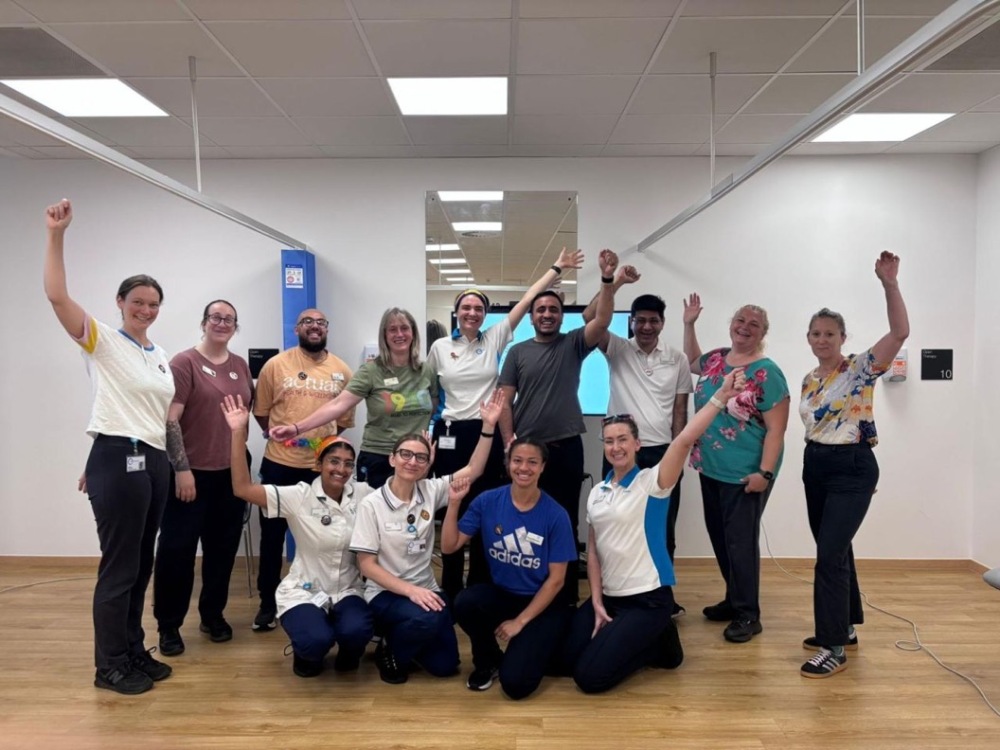
I chose to give a presentation on the role of mindfulness and non-sleep deep rest in stroke recovery. I put a lot of work into preparing it, and the support I received from everyone was incredible.
They were my biggest cheerleaders, and the encouragement and praise I received gave me a huge boost in confidence.
The 1st photo was after I finished my presentation, it was a beautiful moment!
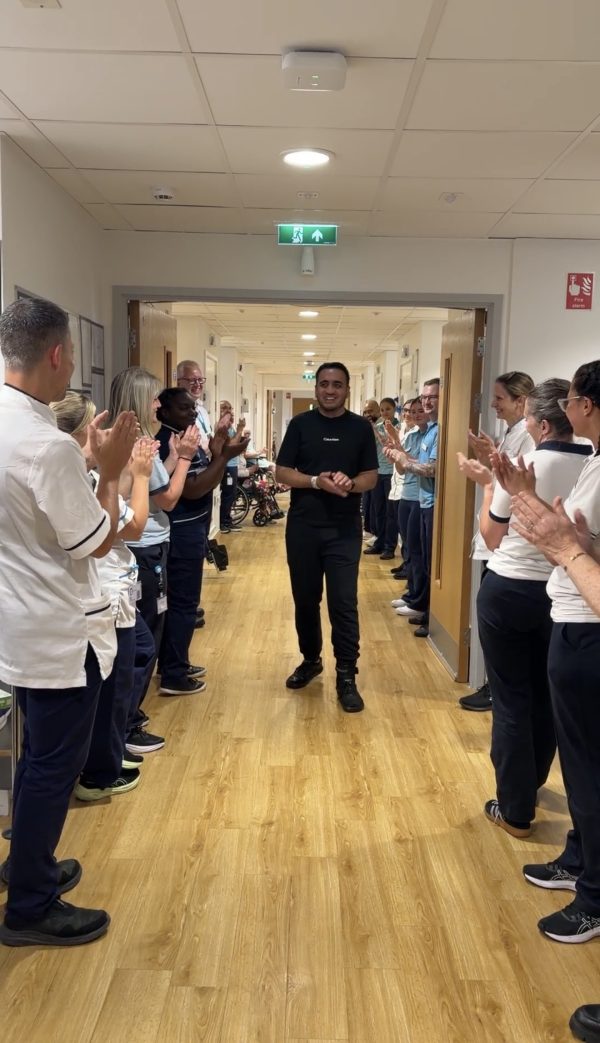
My occupational therapist, Manish, encouraged me to take ownership of my rehabilitation from day one, while Bella inspired me to push myself further every day and introduced me to mindfulness, which has become an important part of my recovery, Caitlin and Akbar my physiotherapists, worked so hard in helping me achieve my goals and push through till the very end.
Today, I’m ready to go home with a structured rehabilitation plan and a clear goal of returning to work as a GP.
Recovery hasn’t been easy; it’s one of the hardest things I’ve ever done.
But I’ve learned that recovery isn’t about waiting for things to improve. It’s about showing up every day, putting in the work and trusting the process.
This journey has taken me from intensive care to a wheelchair, to a Zimmer frame, to crutches, and now to walking independently.
I’m incredibly grateful to every member of the team who supported me along the way, they helped save my independence.
This journey wasn’t just mine—it was my wife’s too.
She saw firsthand the dedication and kindness of every physiotherapist, occupational therapist, rehabilitation assistant, doctor, nurse, healthcare assistant and member of the wider team.
She often says that everyone celebrated every milestone with us and made one of the most difficult times in our lives feel that little bit easier.
She was especially grateful to the kitchen staff, particularly Sal, whose warmth and care made us both feel at home after long days of rehabilitation.
We will always be grateful to the team at Circle Rehabilitation.
Their expertise, encouragement and compassion gave me the confidence to keep pushing forward and helped me achieve goals that once felt impossible.
Now it’s my turn to keep moving forward.