



Researchers in Portugal are investigating a promising new treatment for traumatic brain injury (TBI) after discovering that the brain’s two hemispheres respond differently to trauma.
Initial findings also suggested the treatment helped protect the blood-brain barrier and reduce neuroinflammation.

Researchers at the University of Coimbra are investigating neuropeptide Y, a molecule that occurs naturally in the body, as a potential treatment for traumatic brain injury.
The work forms part of the project “therapY: The Neuropeptide Y System as a New Therapeutic Target Against Traumatic Brain Injury”.
The researchers found significant differences in inflammation and cellular stress between the left and right sides of the hippocampus following traumatic brain injury.
The hippocampus is a brain region involved in memory and emotional regulation.
Project leader Ricardo Leitão said: “Recently published results show that an initially unilateral brain injury triggers distinct responses in the two hemispheres of the brain, reinforcing the complexity of the secondary mechanisms associated with traumatic brain injury.
The findings led the team to investigate further whether neuropeptide Y could reduce damage following traumatic brain injury.
Leitão said the project’s first study provided preliminary preclinical evidence supporting the approach.
Researchers found that administering neuropeptide Y shortly after injury helped reduce damage to the blood-brain barrier, decrease neuroinflammation and improve behavioural indicators associated with memory and anxiety.
Leitão said the initial results “support the project’s scientific rationale and reinforce the importance of continuing to investigate the mechanisms responsible for the protective effects of neuropeptide Y, as well as ways to enhance its therapeutic application and future translation into the clinical setting.”
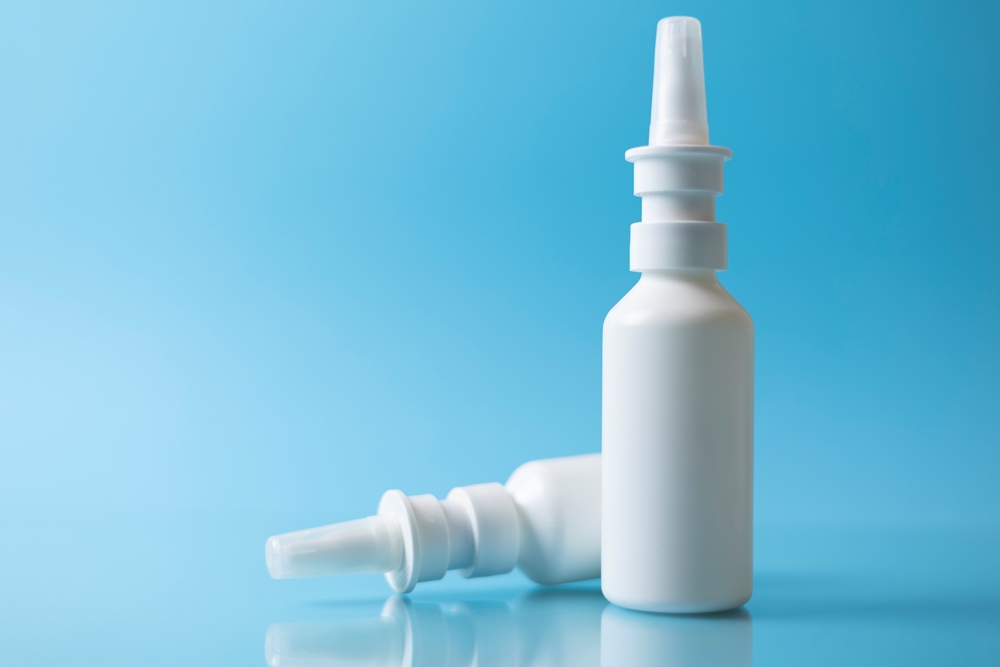
In the study, neuropeptide Y was administered intranasally to an animal model shortly after injury.
The researchers later observed molecular, cellular and behavioural changes suggesting the treatment reduced inflammation-related damage and improved the function of the blood-brain barrier.
The team is continuing to investigate the biological mechanisms behind the molecule’s potential protective effects and ways to improve the delivery of possible therapies to the brain.
Future research will also examine biomarkers and biological changes in people who have experienced traumatic brain injuries.
The project involves researchers with expertise in neuroscience, clinical research, chemical engineering and molecular biomedicine across several University of Coimbra departments and the Coimbra Local Health Unit.
 Saline used as placebo in clinical trails may have spinal injury benefits - study


