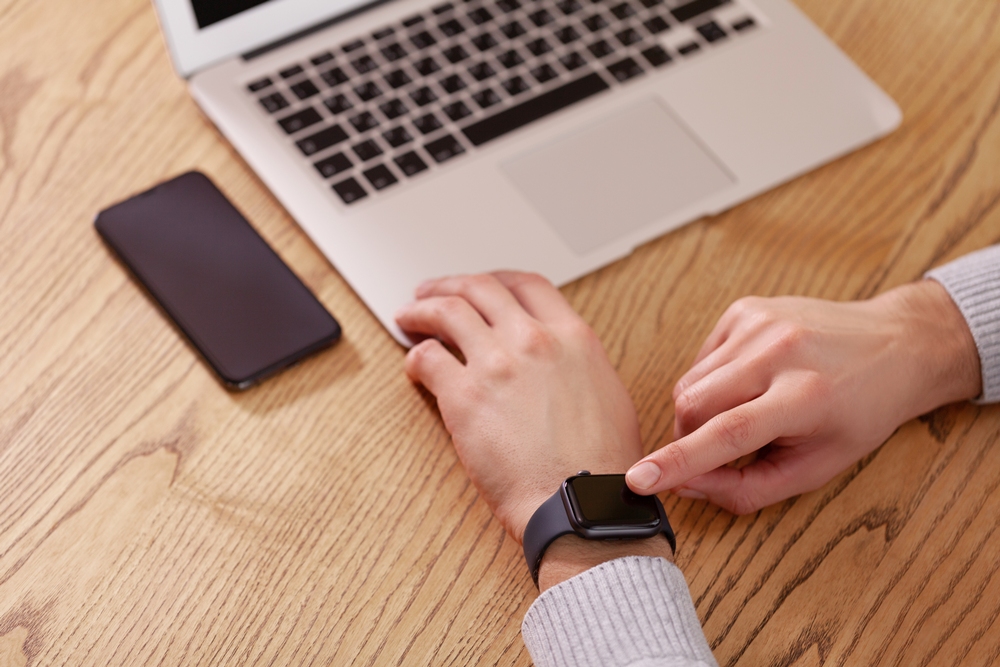
Kneu Health has added Apple Watch tracking of tremor and dyskinesia to its smartphone monitoring platform for people with Parkinson’s disease.
The feature continuously measures tremor and involuntary movements between clinic visits, alongside motor and cognitive assessments already available through Kneu’s smartphone platform.
It combines this information with passive activity data from an Apple Watch, with the aim of giving clinicians a fuller picture of patients’ symptoms between appointments.

Kinan Muhammed, co-founder and chief medical officer of Kneu, said: “The challenge isn’t collecting more data, it’s understanding what it means for each patient.
“By combining continuous passive monitoring from an Apple Watch with our existing active smartphone assessments, we’re helping patients and clinicians recognise changes earlier, make more personalised treatment decisions, and bridge the gap between life at home and care in the clinic.”
Kneu said 79 per cent of eligible patients adopted the feature within two weeks of its introduction in the UK.
The platform is registered with the Medicines and Healthcare products Regulatory Agency (MHRA) and is being used across 10 NHS organisations.
It has also been cleared by the US Food and Drug Administration (FDA) for use in the US.
Parkinson’s is caused by the loss of nerve cells that produce dopamine, a chemical involved in controlling movement.
This leads to motor symptoms including tremor, stiffness and slowed movement, as well as non-motor symptoms involving cognition and mood.
Symptoms can fluctuate throughout the day, so a brief clinic visit may not capture how someone is functioning in everyday life.
Kneu’s smartphone platform allows patients to complete short, structured assessments at home.
The app, available on any smartphone, uses sensors and guided tests to measure movement, voice, balance, gait, reaction time and cognition.
The information is analysed using machine-learning algorithms and presented to healthcare professionals through a clinical dashboard.
The Apple Watch feature adds continuous passive monitoring of tremor and dyskinesia in everyday life.
Dyskinesia refers to involuntary movements that can develop as a side effect of some Parkinson’s medicines, particularly long-term levodopa treatment.
Kneu said this is the first time dyskinesia has been incorporated into its monitoring platform.
Caroline Cake, co-founder and chief executive of Kneu, said: “Parkinson’s doesn’t stop between appointments, and neither should measurement.
“By capturing passive data from watches alongside active assessments, clinical teams can get a clearer picture of how someone is doing in everyday life.”
“This can help teams spot changes earlier, understand their patients at scale, and focus their time where it’s needed most.”
Kneu previously reported data from an NHS partnership involving 105 people with Parkinson’s who completed more than 49,000 digital assessments during the first six months.
About half had a medication dose change based on the information collected, while 90 per cent of clinicians using the dashboard said it significantly improved patient care.
The company also reported that its platform could detect changes in symptoms before they became apparent in routine care.
Its smartphone measures were sensitive to daily symptom fluctuations and could predict clinical outcomes including falls risk, disease progression and cognitive decline.
Kneu said the feature is intended to help patients and clinical teams build a clearer picture of disease progression between appointments, with the aim of improving care.