Brain research using light wins Nobel Prize in Medicine
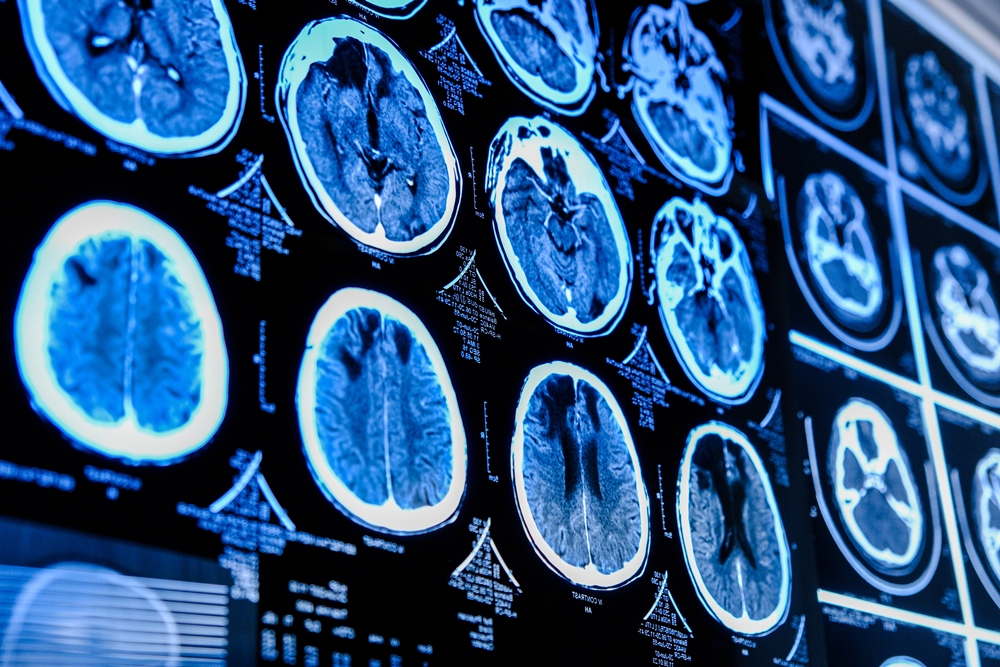
Three researchers have won the Nobel Prize in Physiology or Medicine for work using light to control neural circuits.
Karl Deisseroth, Peter Hegemann and Georg Nagel were recognised for research that allows scientists to switch specific neural circuits on and off.
The technique has helped researchers study brain mechanisms involved in memories, feelings and behaviours, including those relevant to neurological and psychiatric disorders.
The Nobel Committee said their work had laid the foundations for a new era in neuroscience.
“Optogenetics has fundamentally altered our understanding of the brain,” the Nobel Assembly said.
“Every day brings new discoveries, helping to solve one of humanity’s great mysteries: how our incredible brain works.”
Optogenetics uses a light-sensitive protein from algae to control the electrical activity of cells, allowing researchers to activate or deactivate selected nerve cells and study their functions.
In the early 2000s, Hegemann and Nagel discovered channelrhodopsin, an algal protein with unique properties.
Deisseroth later worked out how to use the light-controlled protein to switch on nerve cells in the brains of mice.
The approach has since been used to study nerve cells and neural pathways in animals.
Per Svenningsson, chair of the Nobel Committee for Physiology or Medicine, said: “Optogenetics provides opportunities for mapping the brain in a way that we could once only dream of.”
The Nobel Committee said: “Using light, researchers are now able to switch individual neural circuits on or off in the brain. They can bring memories to life, create feelings, drive behaviours and study the types of neurons that are involved in various psychiatric and neurological disorders.”
The technique is also being investigated as a potential medical treatment.
Researchers are testing optogenetics in people who have lost their sight because of retinitis pigmentosa, a condition that destroys the eye’s rod and cone cells.
In one case described by the Nobel Committee, a special protein was inserted into a damaged region of the eye and activated using light-emitting glasses, allowing the patient to regain some vision.
Deisseroth, Hegemann and Nagel will share prize money of £900,000.
 Drug trial offers hope to Parkinson's patients