Timing of deep brain stimulation surgery crucial for Parkinson’s, study finds
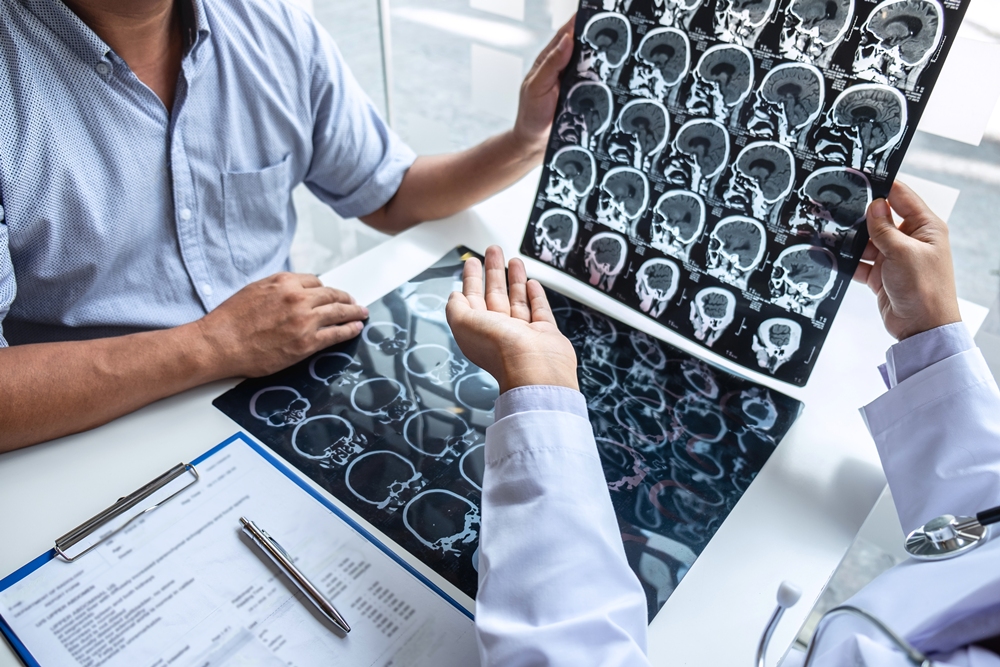
Earlier DBS was linked to slower cognitive decline in people with Parkinson’s disease carrying a GBA1 genetic mutation, a study has found.
Researchers analysed 343 patients across 10 medical centres in the US and Europe, comparing outcomes in people with and without GBA1 mutations who underwent surgery earlier or later in their disease.
Among GBA1 carriers, those who received deep brain stimulation later experienced significantly faster cognitive decline than those treated earlier. Surgery timing was not linked to cognitive outcomes in patients without the mutation.

The international study was co-led by Dr Gian Pal of Hackensack Meridian Neuroscience Institute at JFK University Medical Center.
Deep brain stimulation (DBS) involves surgically implanting a device that delivers electrical pulses to specific areas of the brain. It is used to control tremor, stiffness and involuntary movements when medication becomes unreliable.
GBA1 mutations are described by the researchers as the most common genetic risk factor for Parkinson’s disease. Carriers often experience significant physical symptoms earlier and are also predisposed to cognitive problems.
This has prompted debate over whether DBS might accelerate loss of memory and executive function among GBA1 carriers, or whether these problems are part of the disease and unrelated to DBS.
The researchers identified the first seven to eight years after a Parkinson’s diagnosis as an important window for DBS in people carrying the mutation.
Patients treated before this threshold had a longer period of improved physical mobility while the onset of significant cognitive decline was delayed, according to the study.
The severity of the specific GBA1 mutation did not alter the overall pattern, with surgery timing remaining the main factor associated with cognitive outcomes.
The researchers said carrying a GBA1 variant should not automatically rule out DBS as a treatment option.
Earlier genetic testing could also help identify patients who may benefit from considering DBS sooner in the course of Parkinson’s disease.
The findings could support a more personalised approach to treatment, with genetics and the timing of surgery considered alongside symptoms and other clinical characteristics.
 Brain research using light wins Nobel Prize in Medicine