Brain injury linked to increased risk of MSK injury in US military
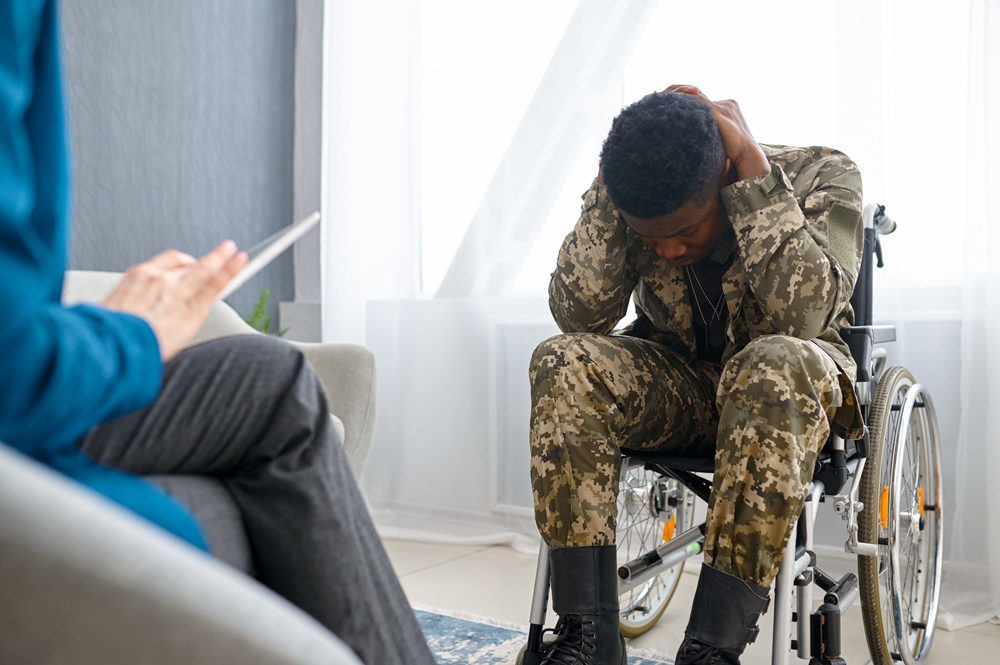
Mild traumatic brain injury was linked to higher musculoskeletal injury risk among US service members, a study found.
Researchers analysed 26,784 active-duty service members, including 13,392 who had experienced mild traumatic brain injury (mTBI) and 13,392 matched controls without mTBI.
The hazard of a subsequent musculoskeletal injury was 2.24 times as high among those with mTBI as among those without it.

Amy Silder, a biomedical engineer in the Warfighter Performance Department at Naval Health Research Center and study co-author, said: “There appears to be a bi-directional relationship between musculoskeletal injury and mild traumatic brain injury, and that relationship differs by sex.”
People with mTBI can experience impairments in balance, coordination, decision-making, processing and responses to hazards.
The retrospective study used military health data through 2023 from female and male active-duty members of the Air Force, Army, Marine Corps and Navy who joined between 2016 and 2020.
Researchers identified each service member’s first recorded mTBI after joining and compared subsequent musculoskeletal injuries with those among matched controls.
The analysis accounted for age, sex, race and ethnicity, occupation, rank and service branch.
Among participants, 4,585, or 17.1 per cent, were female, while 6,667, or 24.9 per cent, had a combat-related occupation. The mean age was 20 years.
During 34,156 person-years of follow-up, researchers recorded 14,330 musculoskeletal injury events.
The association between mTBI and subsequent musculoskeletal injury was slightly higher among female service members, although the interaction between sex and mTBI was not statistically significant.
Researchers said residual deficits following mTBI could contribute to subsequent injury risk.
John J. Fraser, a study co-author from Naval Health Research Center, said: “Servicemembers with a history of mTBI may have residual deficits that increase their risk for subsequent musculoskeletal injury.”
“As such, it is important to evaluate patients with mTBI for physical, psychological and cognitive deficits and treat when appropriate. For patients that present with musculoskeletal injury, we recommend that clinicians inquire to mTBI history and evaluate for physical, psychological and cognitive deficits that may contribute to subsequent injury risk.
“Bottom line, evaluate and treat the whole patient using a biopsychosocial approach and tailor your approach to the needs of the specific patient.”
The researchers suggested clinicians consider screening for problems including balance, coordination, decision-making and reaction time following mTBI.
They also said further research is needed to understand the biological and behavioural mechanisms that may influence the relationship between mTBI, sex and subsequent musculoskeletal injury.
 Stroke sensor gives doctors window into brain