Could chatbot tech revolutionise brain injury care?
Chatbot technology has emerged as a possible tool to support [...]

Chatbot technology has emerged as a possible tool to support [...]
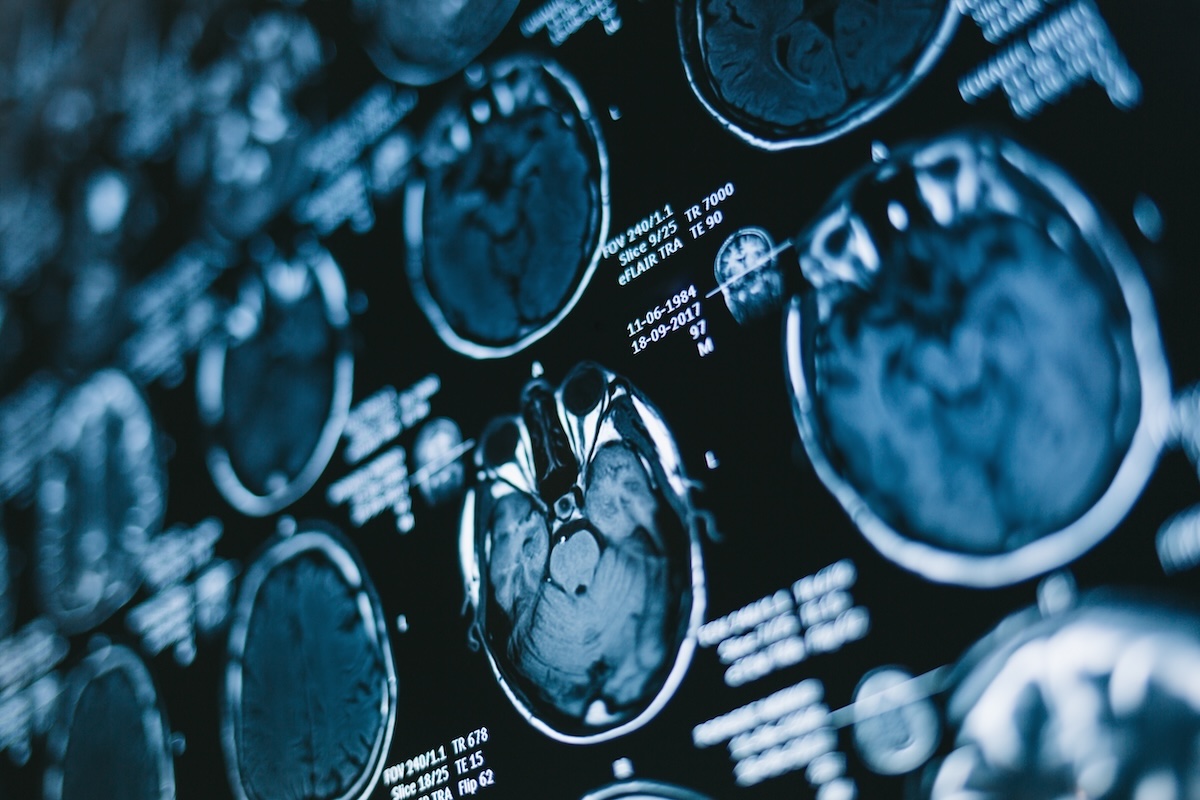
Markers of brain injury are present in the blood many months after COVID-19 infection, despite inflammation blood tests being normal, a new study has revealed. The reseach COVID-19 Clinical Neuroscience Study (COVID-CNS) was led by the University of Liverpool and King’s College London, with support from scientists from the ISARIC4C consortium, The Pandemic Institute and the NIHR BioResource. Professor Benedict Michael is Principal Investigator and Director of the University of Liverpool’s Infection Neuroscience Laboratory and Honorary Consultant Neurologist, The Walton Centre NHS Foundation Trust. The researcher said: “During the COVID-19 pandemic it became apparent that neurological complications were occurring in a significant proportion of hospitalised patients and even in those with mild COVID-19 infection.
The continual development of brain injury case management is being [...]
The US military is to conduct research and clinical trials to determine whether cannabis and psychedelics can help treat service members with TBI and PTSD.
The new guidelines enable Integrated Care Boards (ICBs) to consider eligibility for a past period of NHS continuing healthcare (CHC), even for those who did not apply, but think they are entitled to funding.
A novel drug designed to treat apathy in Parkinson's disease patients is ready to begin clinical trials.
Quibim, a company developing imaging biomarkers for precision medicine that has created AI-based software to identify early-stage neurodegenerative diseases, has announced the launch of QP-Brain
A ceramic blanket being developed improve blood flow and speed up wound healing has shown potential as an innovative treatment for Parkinson's disease.
Almost 80 per cent of people return to work after traumatic spinal fracture or spinal cord injury (SCI), new research suggests.
More than a third of neurologists in the US believe Bruton’s tyrosine kinase (BTK) inhibitors have huge potential as a future treatment of multiple sclerosis (MS), according to findings from a recent Spherix Global Insights’ survey.

News, insight and campaigning for everyone working in neurorehabilitation: the right rehab, at the right time, for everyone who needs it.
Get the newsletterOur membersOther Aspect Health Media Titles


Copyright © 2026 Aspect Health Media Ltd