The NR workforce
Recruiting, training, supporting and keeping the people who deliver rehab.
 Brain injury2 Apr
For Dr Anita Rose, winning the NR Times Lifetime Achievement award was a long time coming. Over the course of a 30-year career, she has excelled as clinical director of Cognivate, built a caseload of complex brain injury clients, published multiple books and supported numerous charities. We chatted with Anita over Zoom to gain some [...]
 The NR workforce27 Jan
By Natalie Mackenzie, director, BIS Services We’ve seen a worrying lack of soft skills in young graduates in recent years. I’m particularly talking about resilience skills and the ability to respond to difficult situations that come from life experience. This could be from working in a bar or a coffee shop, dealing with people's unreasonable [...]
 Case management7 Jan
By Unite Professionals As one of our longest-serving Case Managers, we asked Rachel a few questions about her journey, experiences, and reflections on working at Unite Professionals. Her insights offer a genuine look into life as a Case Manager within our team, and the values that drive the work we do. If you’d like to [...]
 Brain injury30 Sep
Across the UK and globally, workforce shortages are leaving services stretched, waiting lists growing, and experienced clinicians burning out under unsustainable pressures. As services struggle to meet demand, we asked NR Times members working across the neurorehabilitation sector to share their insights on a single, vital question: What is the most effective way the neurorehabilitation [...]
 Case management8 Aug
By Mike Mackenzie, talent acquisition, BIS Services The AI Revolution is here. In fact, even writing these words already feels archaic, with the use of this amazing technology now embedded irrevocably into every industry across the globe. From marketing to healthcare, from the stock exchange to social media algorithms, the outsourcing of menial tasks and [...]
 Community neuro rehab13 Mar
Neuro-rehab professionals can now access a new training programme led by the UK's National Rehabilitation Centre. Opportunities to undertake Rehabilitation Medicine training alongside world-leading experts and using cutting-edge technology are now available at the NRC for resident doctors. This is the first year that Specialist Trainees in the medical specialty of Rehabilitation Medicine (also called [...]
 Brain injury27 Jan
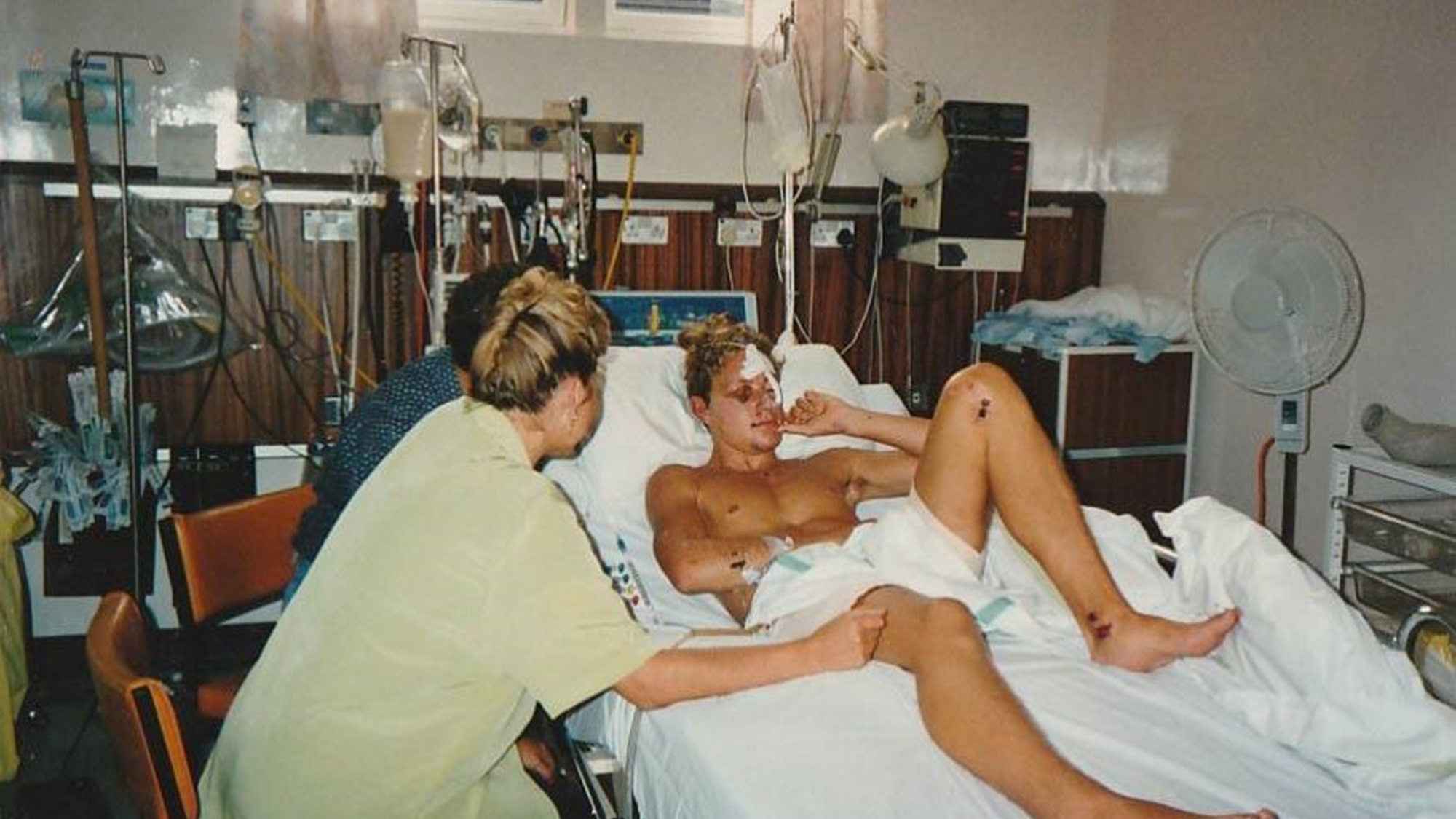
A devastating motorbike injury left young student Dominic Hurley fighting for his life, thousands of miles away from home. But with hard work and the help of his family, Dominic built a new life from himself as a brain injury advocate and prolific fundraiser. Now a peer support worker, Dominic has raised more than £100,000 [...]
 The NR workforce13 Nov
A new apprenticeship has been launched to help change the future of rehabilitation training. The National Rehabilitation Centre (NRC), in partnership with Birmingham City University, has launched a bespoke apprenticeship course which aims to change the future of rehabilitation training in the country.
 The NR workforce20 Jul
While support workers play a key role in care and rehab provision, do they really have the profile and recognition they deserve? Lucy Fallon, co-founder of Ariya Neuro Care, discusses how to build a culture that properly appreciates these professionals and enables them to thrive In a multi-disciplinary team, we all have our role to play. To ensure we deliver the person-centred care we aspire to, a quality partnership must be built so everyone can work together for the good of the client. Within this team is the valuable and actually quite vital role of the support workers. The ones who tie together the rehabilitation, who are the ‘ever presents’ on the ground delivering the round-the-clock care, and really being at the forefront of the whole team effort. But often, the role of the support worker is not valued as it should be. While they are playing a key role in the MDT, their contribution can be seen as ‘less important’ than others. This is not new, and is something that persists - but is something that can be damaging to the support worker, their ability to do their job, to the work of the whole team, and to the rehab a client receives.
 Commissioning3 Jul
While focus on recruitment, training and retention welcomed, regional disparity is not addressed