Smarter rehab
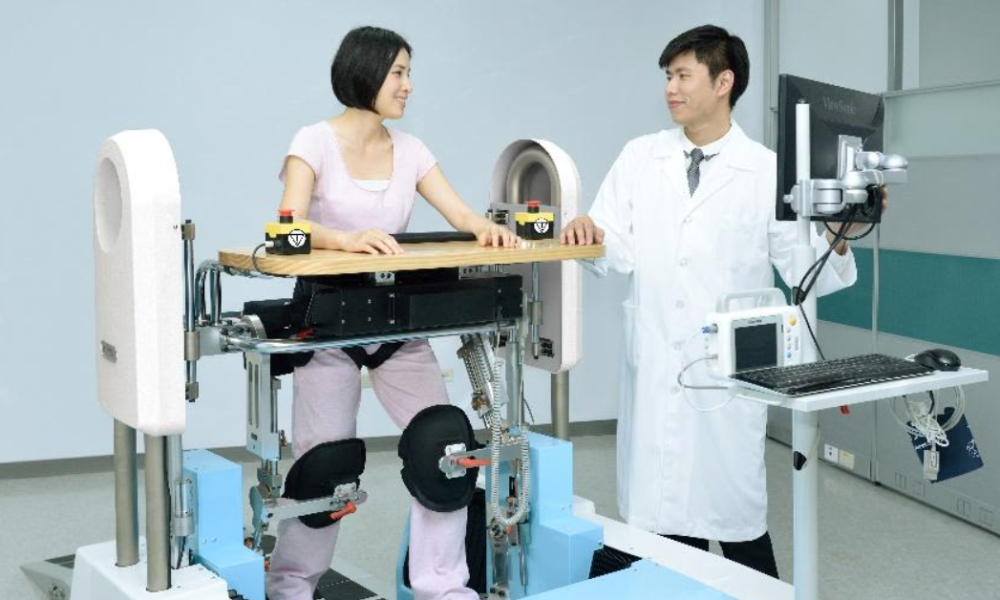
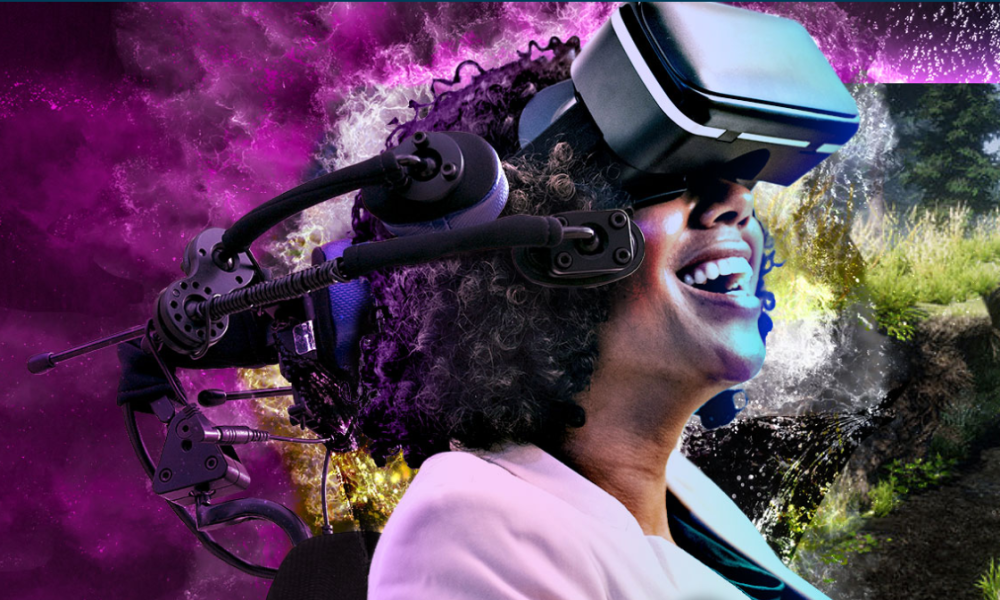
Technology such as VR, robotics, apps and brain implants, adopted where it helps.
 Smarter rehab6 Mar
A group of researchers from the Spanish National Research Council (CSIC) have harnessed Artificial Intelligence (AI) to to detect and analyse hippocampal ripples, which are patterns of brain activity that signal memory formation. These hippocampal ripples are considered electroencephalographic (EEG) biomarkers of memory, epilepsy and Alzheimer's disease. They are a type of fast brain oscillation [...]
 Dementia28 Feb
In a new study, researchers have harnessed the power of machine learning to identify key predictors of mortality in dementia patients. The study, published in Communications Medicine, addresses critical challenges in dementia care by pinpointing patients at high risk of near-term death and uncovers the factors that drive this risk. Unlike previous studies that focused on [...]
 Brain injury5 Feb
An innovative brain and spinal injury health technology research centre, the Cambridge HealthTech Research Centre, is set to open in April after securing £3 million in funding. Opening at Cambridge University Hospitals’ Addenbrooke’s, the centre will bring together NHS partners, business, and patients from across the UK. The centre was awarded the funding from the [...]
 Dementia15 Jan
RAZ Mobility has partnered with Amicus Brain to introduce the first AI dementia care advisor to give reliable advice to caregivers.
The company is integrating a conversational AI tool, Amicus Brain’s Dementia Care AI Advisor, into its RAZ Care app, which is used to remotely manage all features of the RAZ Memory Cell Phone.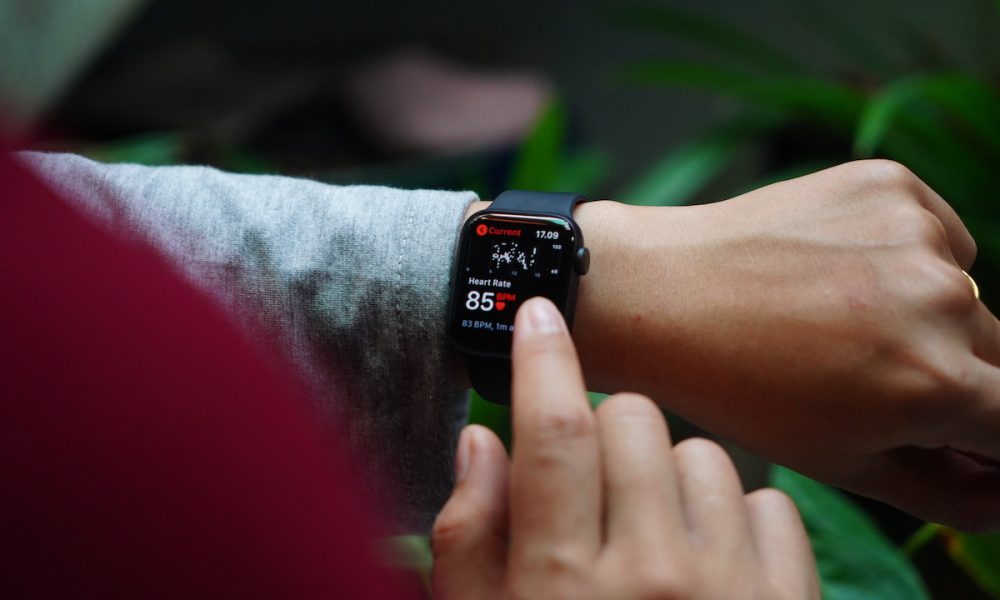 Parkinson's15 Jan
Precision neurology software and data company, Rune Labs has secured a further $12 million to accelerate the adoption if its novel Parkinson's technology.
This latest round, led by new brain disorder fund, Nexus NeuroTech Ventures, with participation from existing investors, including Eclipse, DigiTx Partners, Moment Ventures and TruVenturo GmbH, brings the total amount raised by the company to over $42 million. Dementia12 Jan
Researchers in the US have received a National Institutes of Health (NIH) grant to create predictive models for Alzheimer's disease using brain MRIs, among other data sources. The ultimate goal of the research is to enable earlier detection of Alzheimer’s—ideally two years or more before onset of symptoms—and identify patient populations at risk for developing [...]
 Brain injury12 Jan
Researchers at the University of California San Diego have developed a neural implant that provides information about activity deep inside the brain while sitting on its surface.
The implant is made up of a thin, transparent and flexible polymer strip that is packed with a dense array of graphene electrodes. The technology, tested in transgenic mice, brings the researchers a step closer to building a minimally invasive brain-computer interface (BCI) that provides high-resolution data about deep neural activity by using recordings from the brain surface. Parkinson's11 Jan
Researchers at the University of Bristol will use wearable tech to measure symptoms of Parkinson’s Disease to determine the effectivity of a new drug or treatment in clinical trials.
The Transforming the Objective Real-world measUrement of Symptoms (TORUS) project, has received £6 million in funding from the Engineering & Physical Sciences Research Council to create the capability to monitor patients many times every day autonomously, continuously, objectively in their own home and for months at a time.