



Neuropsychology

A study on a nature-based programme of activities for patients with mild to moderate mental health conditions has shown that participants saw improvements in mood and anxiety levels in as little as 12 weeks. As part of the UK government’s commitment to transform mental health services, seven ‘test and learn’ green social prescribing sites were [...]

Patients with depression who received the Moodivate app saw clinically meaningful reductions in their symptoms that were twice those achieved with standard-of-care therapy in a clinical trial conducted at 22 primary care practices. The study found that app users were also three times more likely to achieve a clinically meaningful improvement in their depression and [...]

The Lieber Institute for Brain Development has announced the progression toward clinical testing of a unique, centrally acting catechol Omethyltransferase (COMT) inhibitor from its collaboration with Boehringer Ingelheim. COMT is a dopamine-metabolising enzyme involved in the regulation of neurotransmitter levels. These are critical for cognitive and behavioural processes that are impaired in several neuropsychiatric disorders. While [...]

Almost half of patients diagnosed with depression classify as being ‘treatment-resistant’, as new research suggests that many don’t respond to multiple antidepressant options. The study found that 48 per cent of patients whose electronic healthcare records reported a diagnosis of depression had tried at least two antidepressants, and 37 per cent had tried four or [...]

Neuroscientists have discovered a way to control how much zinc is released to specific locations in the brain. The essential mineral plays a major role in the organ’s function, including improving memory and lessening symptoms of some neurological disorders, but getting the right amount to the right place is key. The study focuses on the [...]
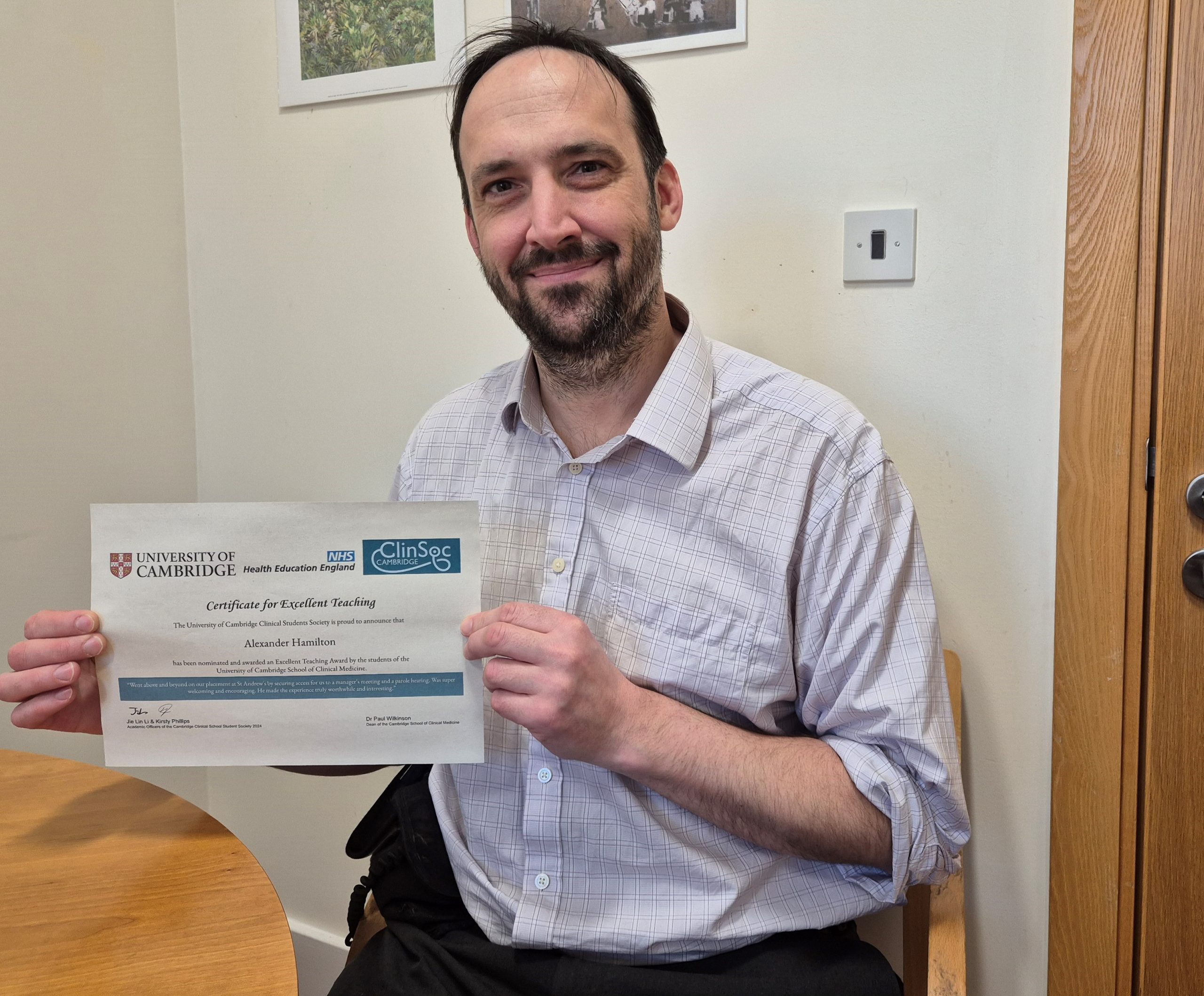
A final year medical student, who starts as a resident doctor in August, has praised a consultant psychiatrist and mentor who has “filled me with confidence and inspiration”. Jing Wang, who has been studying Medicine at the University of Cambridge, spent a period of time shadowing Dr Alexander Hamilton, who works at mental health charity [...]
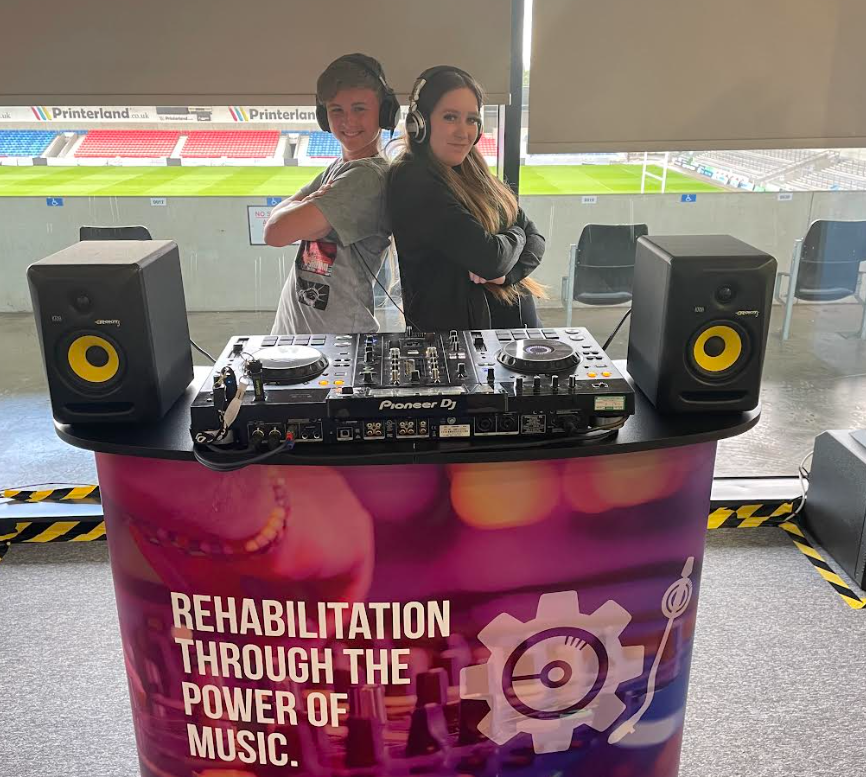
By Charlotte Naylor, Research Assistant, Sarah Lake, Research Assistant, Dr Penny Trayner, Co-Founder and Consultant Clinical Neuropsychologist and Mark Blundell, Co-Founder, BPM Rehab Anxiety can significantly impair an individual's quality of life, hindering their social functioning and emotional well-being. When left unaddressed, anxiety has the potential to evolve into more chronic mental health conditions, exacerbating [...]
By The London Neurocognitive Clinic In the realm of neuropsychology, a holistic approach is paramount to addressing the multifaceted needs of individuals with neurocognitive conditions. This methodology not only considers the cognitive aspects but also encompasses emotional, social, and functional dimensions, ensuring comprehensive care that aligns with human rights principles and promotes independence. The Essence [...]

By Caroline Seton, Head of Research, BIS Services Rehabilitation Assistants are often regarded as the unsung heroes of brain injury rehabilitation. But what makes cognitive rehabilitation assistants (CRAs) so effective in supporting their clients to attain their goals of greater independence? Our research project at The BIS Services presents a novel conceptual framework for understanding [...]

A new study has shown that children with underlying neurological conditions showed a much higher incidence - almost 50 times greater - of serious neurologic complications from contracting the flu. Many clinicians do not consider neurologic complications of the flu when discussing vaccination or treatment of influenza with families. According to the study, the primary [...]


