



Neuropsychology
Findings from a new study have shown that nondeceptive placebos, or placebos given with people fully knowing they are placebos, effectively manage stress — even when the placebos are administered remotely. For this study, researchers recruited participants experiencing prolonged stress from the Covid-19 pandemic for a two-week randomised controlled trial. Half of the participants were [...]
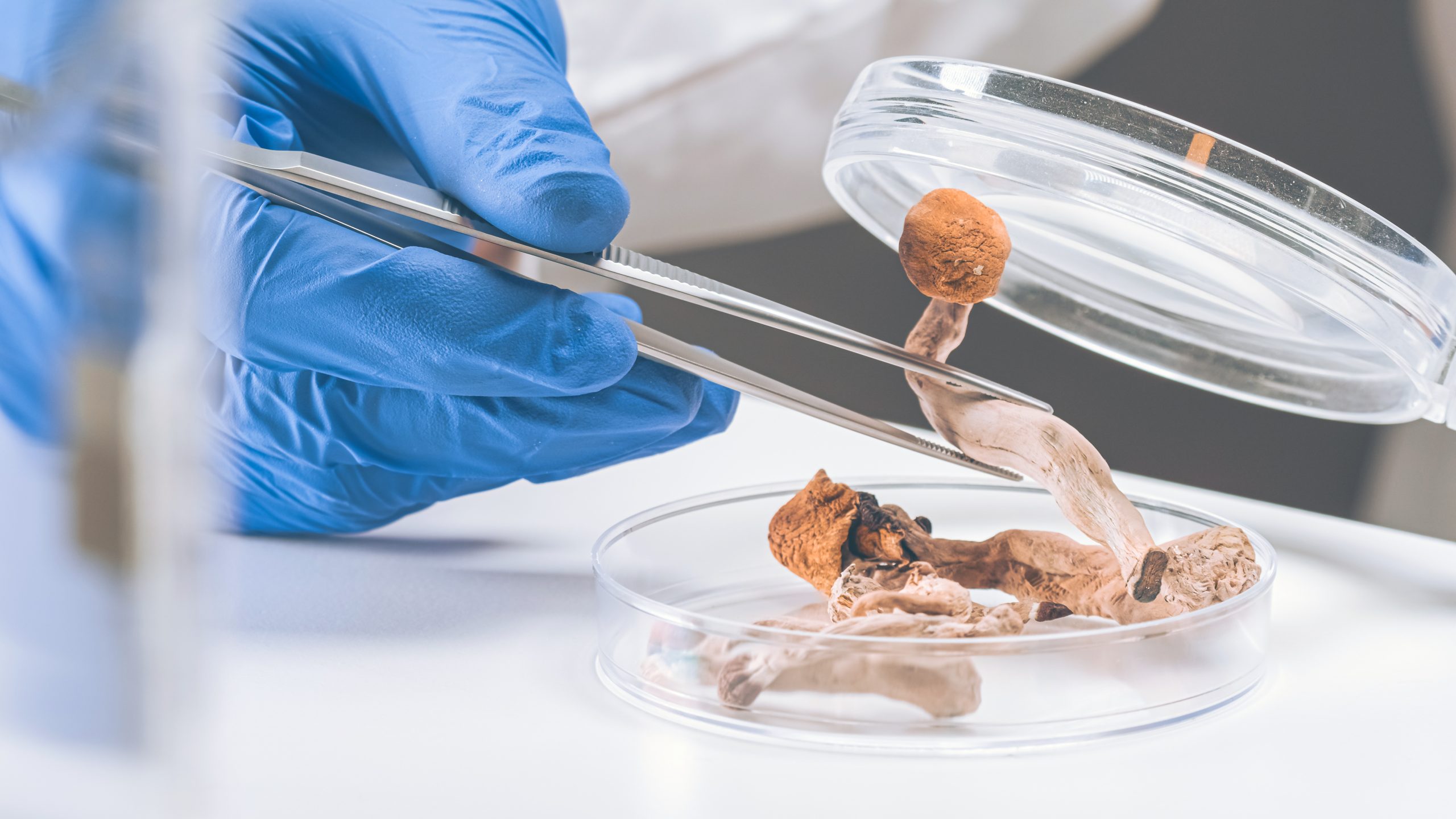
A new study has revealed that high doses of psilocybin appears to have a similar effect on depressive symptoms as the selective serotonin reuptake inhibitor (SSRI) drug escitalopram. Patients in the study that were treated with high dose psilocybin - the active ingredient in magic mushrooms - showed better responses than those treated with placebo [...]

Research led by the University of Southampton has found that medications play an important role in improving the quality of life of people with ADHD, but the authors suggest more support – in addition to medications – is needed. The findings published online today (8 August 2024) in The Journal of the American Academy of [...]

Researchers at the University of Melbourne have found evidence of higher levels of the plastic chemical bisphenol A (BPA) in pregnant mothers who gave birth to sons with autism. Research published in Nature Communications, led by Florey Institute scientists Dr Wah Chin Boon and Professor Anne-Louise Ponsonby, supports the hypothesis of a possible link between [...]

A brand new service has been set up for a young man who has been receiving treatment at the complex mental health charity St Andrew’s Healthcare. The patient, who is now 19, has a learning disability, autism and experiences psychosis. He had been receiving care within the Child and Adolescent Mental Health Services (CAMHS), but [...]

In the not-too-distant future, a screening assessment for depression could include a quick brain scan to identify the best treatment. Brain imaging combined with machine learning can reveal subtypes of depression and anxiety, according to a new study led by researchers at Stanford Medicine. The study, published in the journal Nature Medicine, sorts depression into [...]

A new study from The University of East Anglia has revealed that adolescents who experience higher levels of social anxiety symptoms are more likely to report increased suicidal thoughts and other depressive symptoms two years later. The study sheds light on the pressing need for early interventions to address society anxiety in young people. Lead [...]
An new, international study has demonstrated for the first time the role of two proteins in the activation and deactivation of the system through which drugs act against schizophrenia symptoms. The findings may facilitate the creation of new personalised treatments for people diagnosed with the condition. Schizophrenia patients suffer from various types of symptoms, such [...]
Researchers from Duke-NUS Medical School have found that a new class of light-sensitive proteins are capable of turning off brain cells with light, offering scientists an unprecedentedly effective tool to investigate brain function. The study, recently published in Nature Communications, opens exciting new opportunities to apply optogenetics to investigate the brain activity underlying neurodegenerative and [...]
Understanding and treating depression, a potentially debilitating mental health condition that affects millions of people worldwide, remains a major priority among researchers in the field of neuroscience. For example, major depressive disorder (MDD) affects around 33 million people and as much as 5% of the adult population globally. Emotion regulation is a crucial function of [...]


