



News
The latest news from across neurorehabilitation.
 Smarter rehab10 Jun
By Mike Battista, Director, Science and Research, Creyos
 News7 Jun
Engaging in vigorous physical activity more than once a week can lower the risk of cognitive impairment in people with high blood pressure, new research has found. The research is published in Alzheimer’s & Dementia: The Journal of the Alzheimer’s Association. Richard Kazibwe, M.D., is assistant professor of internal medicine at Wake Forest University School [...]
 News7 Jun
An intensive lifestyle intervention, without drugs, significantly improved cognition and function after 20 weeks in many patients with mild cognitive impairment or early dementia due to Alzheimer's disease in a newly-published randomised controlled clinical trial. The multisite clinical study was published in the peer-reviewed Alzheimer's translational research journal, Alzheimer's Research and Therapy. The study was [...]
 News5 Jun
According to new research, veterans who were paired with a service dog for just three months were 66 per cent less likely to be diagnosed with post-traumatic stress disorder. Ret. Command Sgt. Maj. Gretchen Evans served in the United States Army for 27 years until a rocket blast in Afghanistan brought her career to an [...]
 News3 Jun
Two new studies to be presented at the SLEEP 2024 annual meeting show that narcolepsy is an independent risk factor for cardiovascular disease and adverse cardiac events. Results show that people who have narcolepsy, compared with those without narcolepsy, had a 77% increased risk of any cardiovascular disease and an 82% increased risk of major [...]
 News29 May
Huntington’s disease (HD) is a progressive neurological condition with no known cure. The disease gradually changes an individual’s ability to walk, talk, think and communicate. NR Times called up Dr Vincent Harding, forensic and clinical psychologist at St Andrew’s Healthcare, to learn more about HD and the innovative new approaches helping patients to live well, [...]
 News28 May
A research team has been successful in artificially inducing sleep without genetic modification for the first time by developing a novel, light-sensitive drug. The nucleus accumbens plays a pivotal role in motivational behaviour and sleep regulation, modulated by adenosine A2A receptors (A2AR). Selective A2AR regulation within this brain region could control sleep and motivation. However, [...]
 Smarter rehab22 May
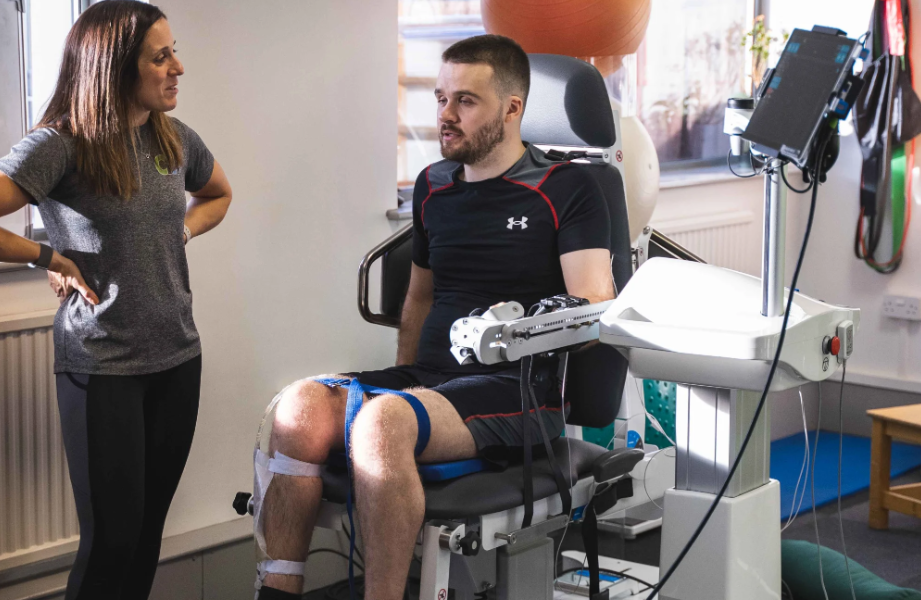
Thor Assistive Technologies recently installed two EGZOTech devices at Complete Neuro Rehab’s facility in the West Midlands. NR Times reports on the impact of the tech on patient outcomes and how it is enabling physiotherapists to “do what they do best”. “This relationship between technology and traditional physiotherapy principles works very well,” says Dave Swinburne, [...]

 News17 May
Cerebral Palsy affects movement and co-ordination abilities and its lifelong impact can have profound effects on whole families. In the UK, it is estimated that one in 400 babies will have a type of Cerebral Palsy, illustrating its prevalence in society and how great the need is for support to be delivered. Charities play a [...]








