



News ›
News
The latest news from across neurorehabilitation.
 Research11 Feb
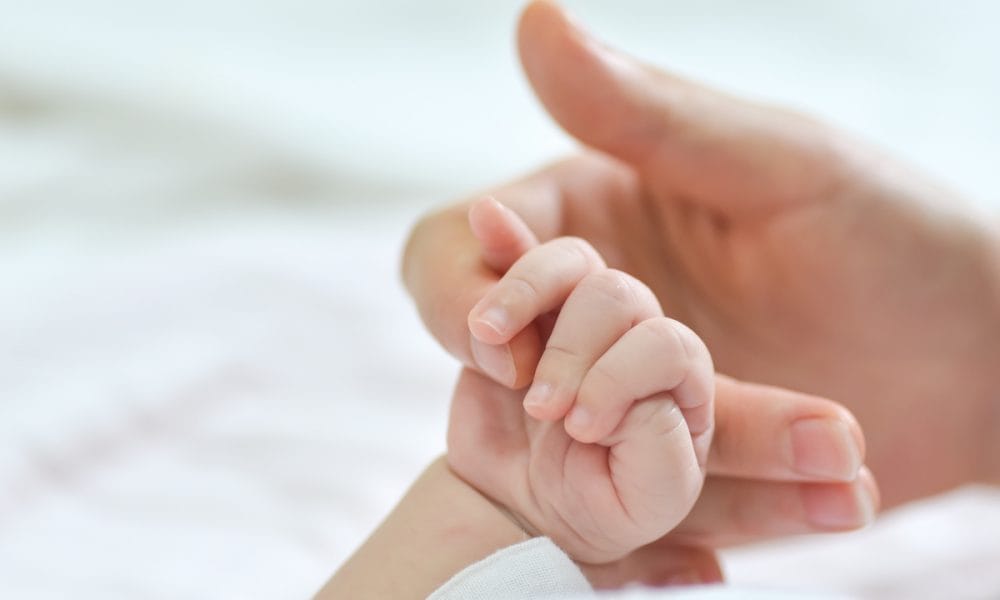
Traumatic or stressful events in childhood may lead to tiny changes in key brain structures which can be identified decades later, new research has concluded.
The study is the first to show that trauma or abuse during a child's early years - a well-known risk factor for developing mental health conditions such as major depressive disorder in adulthood - triggers changes in specific subregions of the amygdala and the hippocampus. Once these changes occur, researchers from the University of Alberta believe the affected regions of the brain may not function as well, potentially increasing the risk of developing mental health disorders as adults during times of stress. Patient stories11 Feb
After sustaining a TBI following a serious assault, Ian was left with no memory of his life or his beloved family. Here, his wife Bethan shares their story of rebuilding their lives.
The excitement of Christmas 2019 became devastation in an instant, when Ian was attacked on Christmas Eve. He was walking home in Cheshire, accompanied by wife Bethan and their three young children, when he was punched unexpectedly by a person he didn’t know. Ian was knocked to the floor and hit his head on the curb, causing a brain injury which led to a blood clot in the temporal lobe. Brain injury11 Feb
The Professional Footballers’ Association (PFA) has added its weight to calls for newly-introduced trials around concussions substitutions to go further.
The PFA, the union representing professional players, has said temporary concussion substitutions need to be considered, in addition to the permanent substitutions which are currently offered under the Premier League trial. Their comments come after the use of the first concussion substitution in football, after West Ham’s Issa Diop was replaced after a clash of heads with Anthony Martial of Manchester United.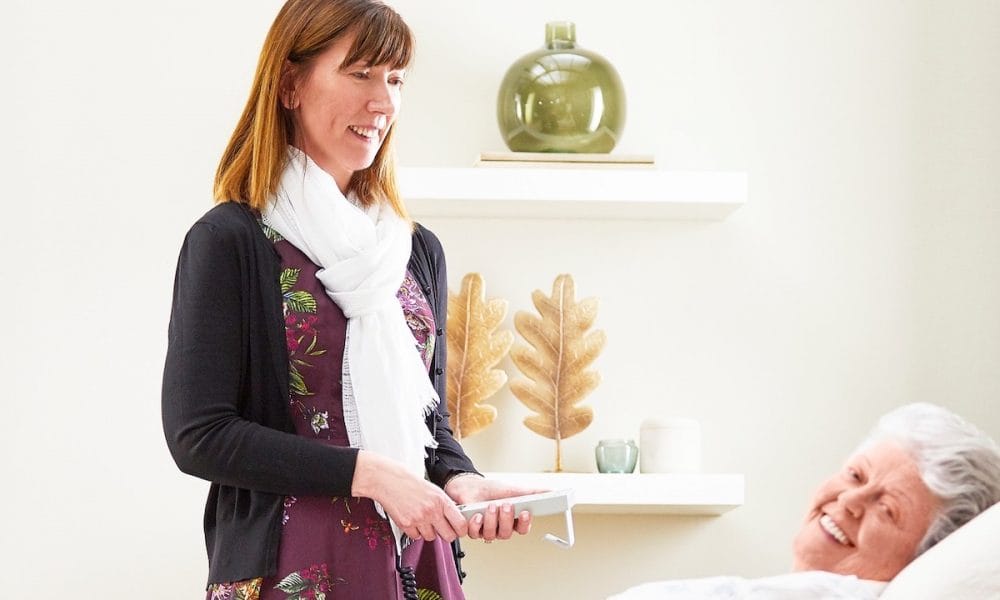 Case management11 Feb
Case management has faced unprecedented challenges during the past year, which has seen it respond with positivity and agility to ensure service to its clients could be maintained. In the latest in our Q&A series, Sarah Cooke from Bush & Co shares her experiences, and how the newly-adopted telerehab will undoubtedly play a role going forward.
Can you summarise how the past few months have been for you It’s certainly been the biggest challenge of my career! But I feel proud of how we have all pulled together, in whichever capacity we work with our clients, so they have been able to continue their rehabilitation. Parkinson's10 Feb
The function of a ‘mystery protein’ in brain cells of people with Parkinson’s has been discovered, in new research hailed as being “vital” in long-term efforts to find a cure for the disease.
Alpha-synuclein is a protein which forms clumps that affect motor and cognitive abilities in pathological conditions, but its role in what it does to neurons in the brain in Parkinson’s has remained unknown. In new research, published today, the ‘mystery protein’ alpha-synuclein “sticks like glue” to the inner face of the plasma membrane of nerve cells, but not to the outer.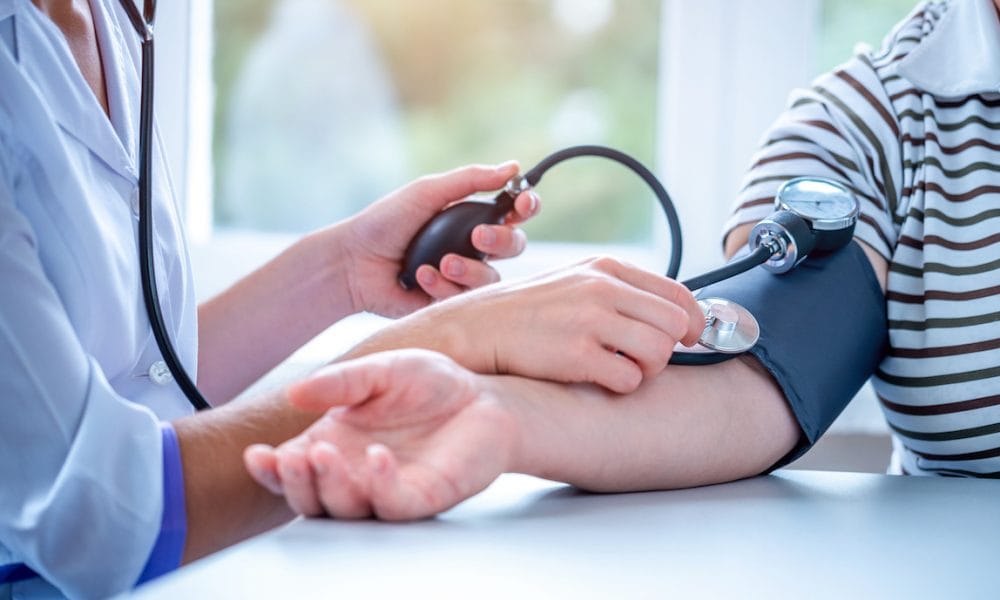 News10 Feb
Higher blood pressure at night than in daytime may be a risk factor for Alzheimer's disease in older men, new research has revealed.
Under healthy conditions, blood pressure varies over 24 hours, with lowest values reached at night. Doctors call this nocturnal blood pressure fall 'dipping'. However, in some people, this pattern is reversed and their nocturnal blood pressure is higher than in daytime. This blood pressure profile is known as 'reverse dipping’. Neurophysiotherapy10 Feb
From being a London-based community group, LEGS has now taken that sense of community onto a national scale by moving its neurophysio exercise sessions online. NR Times finds out about its expansion.
Having gone into the pandemic as a small community exercise group for people with neurological conditions, LEGS has now become an online rehab resource for people throughout the UK. Initially holding sessions in a studio in Westminster, enabling people from the surrounding area to access its specialist physio-led supported exercise and social opportunities, its rapid transition to taking sessions online has seen the LEGS operation having to grow in tandem. Brain injury10 Feb
The first use of a concussion substitute in football in the UK has highlighted the "deeply flawed" nature of the newly-introduced rule, according to brain injury charity Headway.
After 36 minutes of an FA Cup match between Manchester United and West Ham United last night, Anthony Martial (Manchester United) and Issa Diop (West Ham United) clashed heads at a corner kick. The players received on-pitch treatment for two minutes before they then both returned to the field of play, only for Diop to be removed at half time, becoming the first player to be substituted via the new protocol. Care & services9 Feb
With the creation of a ‘visiting pod’ - a specially-built room with a perspex screen - patients at Woodlands Neurological Rehabilitation Centre have been able to enjoy precious meetings with their loved ones during lockdown in the security of COVID-19 safe surroundings.
“We have tried so hard to be reactive to patients’ needs throughout the pandemic and the fast-changing situation, and were all too aware that visits from families are vital for their mental wellbeing,” reflects Dr Marina Platts, clinical director at Woodlands, in York. “We had some workmen in the building at the time, so wondered whether we could create a little place where families and patients could get together in a safe way. “Through the creation of our visiting pod, that was allowed to happen, at a time when most other places couldn’t accommodate it. Thankfully, through us having a side entrance right next to the pod, families could come and go without coming into contact with anyone else.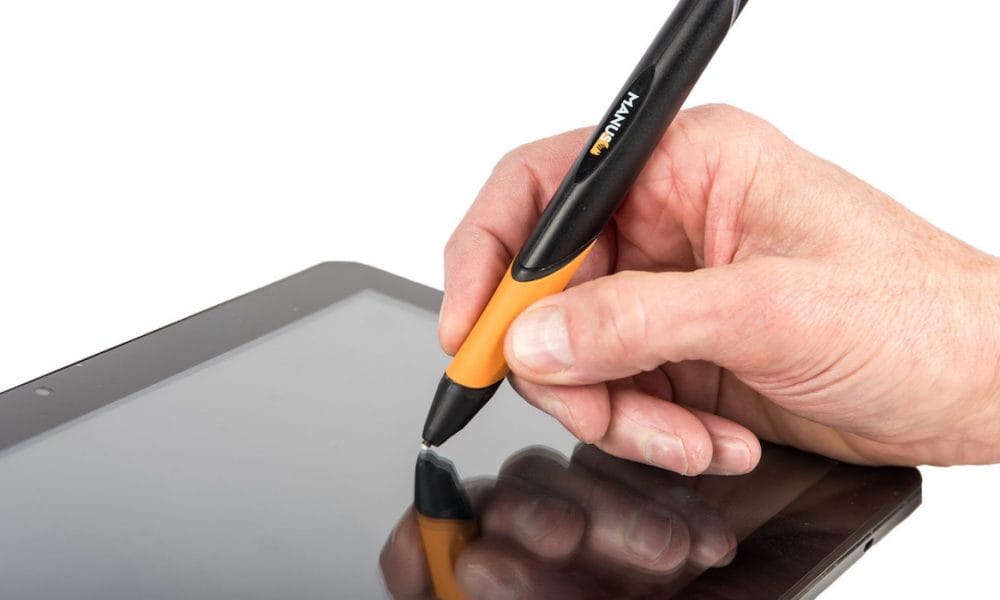 Tech & industry9 Feb
A digital pen which provides early warning of Parkinson’s disease and other neurological conditions has secured £1.2m funding to support its international roll-out.
The NeuroMotor Pen is set to launch later this year, initially focusing on the UK and Benelux markets, while also progressing work to secure regulatory approval to start selling in US. The pen has passed clinical trials with the NHS in the North East of England and Scotland and is currently being used by Northumbria NHS Foundation Trust, and advanced talks to supply the pens to a UK-based primary care group are currently underway, following a development contract with NHS England to develop a version that can be used in GP surgeries. The NeuroMotor Pen has been devised by Edinburgh medtech company Manus Neurodynamica.


