



News
The latest news from across neurorehabilitation.
 Case management26 Oct
Remote working in case management can be a safe and effective means of interacting with clients, new research has found.
Three research projects commissioned and funded by CMSUK analysed how effective remote working and use of telerehabilitation could be in case management.
The projects - which assessed the barriers and challenges of remote working, the safety and quality of telerehabilitation, and its effectiveness - have demonstrated how effective it can be, supported by training for case managers where needed.
 Brain injury26 Oct
Having suffered a brain injury which left her struggling to rebuild her life, Helen Whiteley found salvation in running. Here, she tells how she went from running for the first time to completing the Virtual London Marathon in only eight months.
“On November 24, it will be eight years since I suffered a traumatic brain injury (TBI) from a fall at home. I was found unresponsive at the bottom of my staircase at home by my husband Simon; I have no recollection of how I got there.
“I was initially taken to Huddersfield Hospital but once I was stabilised I was transferred to the Leeds General Infirmary neurosurgery department. It was here I was diagnosed with an acute subdural hematoma and fractured skull and was taken immediately into surgery for an emergency craniotomy to evacuate the hematoma. I was then placed in an induced coma on the neurosurgery ICU ward, where I stayed for a number of weeks.
 Research26 Oct
Researchers have validated a new radiolabeled molecule that can be used with imaging tests to accurately detect and characterize brain injury. The team, led by investigators at Massachusetts General Hospital (MGH), recently received clearance from the U.S. Food and Drug Administration (FDA) to initiate a first-in-human study with the strategy.
As described in the Journal of Cerebral Blood Flow & Metabolism, the novel tracer, called [18F]3F4AP, is designed to bind to potassium channels and is radiolabeled so it can be visualized through positron emission tomography (PET) imaging. Potassium channels in the brain's neurons become exposed when the neurons become demyelinated, or lose their protective coating (called myelin), which occurs with a variety of neurodegenerative conditions. Care & services21 Oct
A carer with a specialist brain injury rehabilitation provider has become the youngest care manager in the country aged only 23.
Chloe Gregory, a service manager who was inspired to go into specialist care aged 16 when she became the personal assistant to her cousin who has learning difficulties, has now secured accreditation from the Care Quality Commission (CQC) only seven years later. She recently passed the Fit Person Interview, an assessment by the CQC which confirms knowledge of compliance and legislation in a care environment, and is now believed to be the youngest accredited care manager anywhere in England. “For me, working in social care is so heart-warming. You’re able to give someone’s life so much more meaning and a much better quality of life and knowing there are so many things you can help them improve on,” says Chloe, who works at the Burton Road Care Home in Derby, owned by Voyage Care. The centre is a specialist facility for men with challenging behaviour. News21 Oct
Launching on World Stroke Day on 29th October, new publication Recovering Hope is the result of a decade of working with stroke survivors in hospitals and in the months following their release.
The book presents qualitative data and evidence from healthcare professionals, artists and stroke survivors into how a tailored arts intervention can assist in recovery and improve quality of life. The book, written by Kevin Murphy, Lucinda Jarrett and Chris Rawlence from Rosetta Life, is the first output of SHAPER, the world’s largest study into the impact of arts on mental health launched by King’s College London and UCL. The book lays out the history of the Stroke Odysseys project and explains how Rosetta Life works with stroke communities through movement, song, poetry and performance. News21 Oct
Plans to build a new neuro-rehab centre in Southampton have finally been given the go ahead.
The new 57-bedroom neurological rehabilitation centre will be built on the old Bargain Farm site in Nursling, on the north-west side of the city. Work on the site is due to begin in the first quarter of 2021 with the service welcoming its first residents in the summer of 2022. The bespoke facility will include physiotherapy and medical consulting rooms together with a therapy gym fitted with rehabilitation equipment as well as lounges, dining rooms, cinema and a café bar. The facility will also include a self-contained step-down apartment. Brain injury18 Oct
Australia’s New South Wales government has promised to improve brain injury testing for domestic abuse victims after a psychiatrist drew attention to inconsistent care for vulnerable women. Psychiatrist Karen Williams urged the government to adopt a concussion protocol for family and domestic violence victims after doing her own research and being shocked at what she found.
It started when Williams noticed the disparity in how her patients were diagnosed and treated.Williams specialises in the treatment of post-traumatic stress disorders (PTSD), often with military, police, emergency personnel and other first responders. But she also treats the general population, the vast majority of whom are women with histories of child and domestic abuse.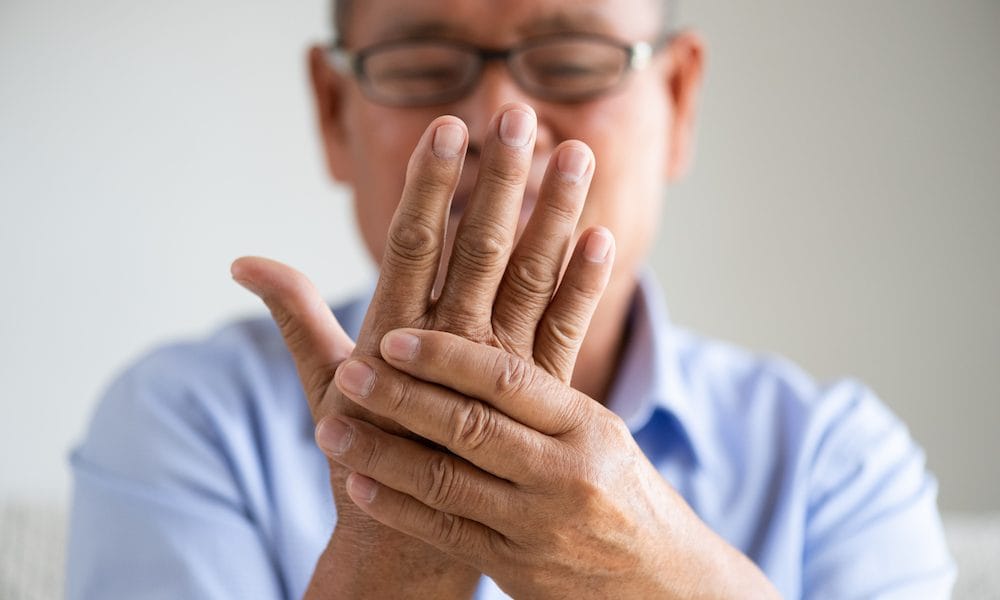 News18 Oct
There are two types of Parkinson’s disease, and each may require different treatment, a leading Parkinson’s researcher has found.
It's long been understood that the disease could start in the nervous system of the gut and spread to the brain via the vagus nerve. But Per Borghammer, professor and consultant of nuclear medicine at Aarhus University Hospital in Denmark, says there is another way Parkinson’s starts. Over the last six years, Borghammer has explored this theory.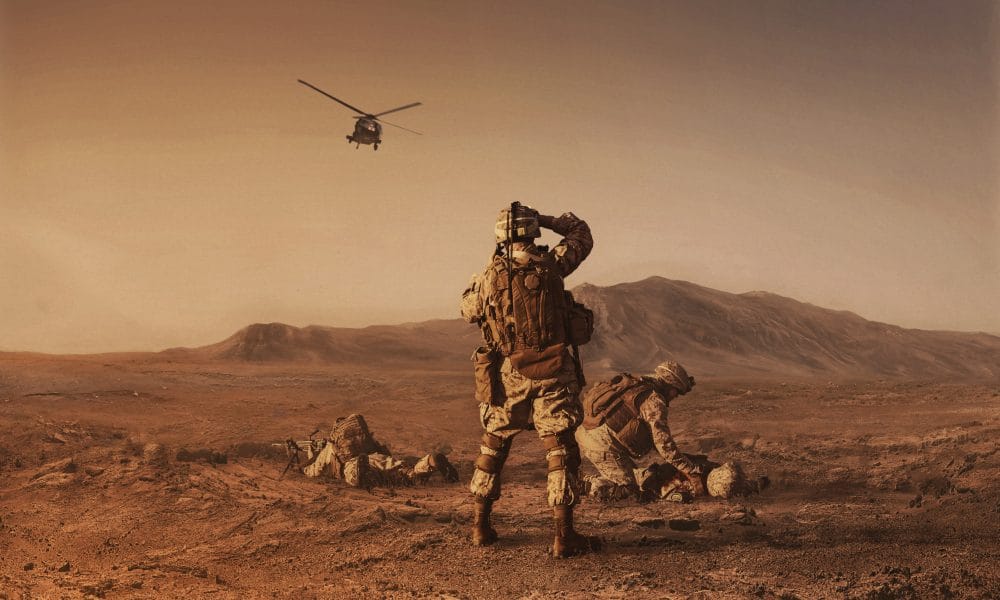 Interviews18 Oct
Concussion is a huge concern across the US military and in sports. In 2018, 19,000 military personnel were diagnosed with a traumatic brain injury, while college athletes had an average of 10,500 concussions for past five years.
Despite the numbers, many say there’s a lack of research to inform ways that government and industry can best tackle this problem. In response, the largest prospective concussion study was formed to fill the gaps in understanding, to see what recovery from a concussion looks like in athletes and cadets. More than 44,000 people have since enrolled in the CARE (concussion assessment, research and education) consortium since its inception in 2014, across 30 universities and four military service academies across the US. Multiple sclerosis18 Oct
The MS Trust has launched 'MS Trust...in us' - a campaign supporting people with MS and their health professionals, during the pandemic and beyond.
The Covid-19 pandemic has had a devastating impact on the whole MS community, with delays in specialist healthcare services and treatments, not to mention the isolation and loneliness of life in lockdown. The MS Trust has launched ‘MS Trust…in us’, to help raise funds to restore MS specialist healthcare services in the UK, "getting them back on track to ensure people with MS can get the care and support they need and deserve, during the pandemic and beyond".


