



News
The latest news from across neurorehabilitation.
 MND / ALS27 Feb
The UK Motor Neurone Disease Clinical Studies Group has launched an updated version of its online portal. It enables users to find out about all the MND clinical research studies taking place across the UK.. The MND CSG’s aim is to “bring together expertise and enthusiasm to develop and improve both the quality of MND research in the UK, and the number of research studies available for people living with MND to participate in nationally”.
 Multiple sclerosis27 Feb
Miles for MS is the MS Trust’s accessible distance challenge which takes place throughout May. Participants set their own distance challenge to complete over the course of the month, track their distance and collect sponsorship as they go. In a recent survey, the MS Trust asked some of its 2019 Miles for MS participants what they gained from taking part in the event. Most (91 per cent) of those who took part in the survey said they “intend to exercise more as a result of taking part in Miles for MS”.
 Rehab for all27 Feb
It warns that failing to provide these services can have devastating consequences for people’s lives, and bring greater costs for the NHS and social care systems. Community rehabilitation provides vital support for patients outside hospital to allow them to continue their recovery from emergencies such as stroke and heart failure, or to enable them to manage conditions such as lung disease and arthritis. But a new report – published by the Chartered Society of Physiotherapy, the Royal College of Occupational Therapists and Sue Ryde – warns of “patchy provision” or people with MS, stroke and other conditions. Community rehabilitation provides vital support for patients outside hospital to allow them to continue their recovery from emergencies such as stroke and heart failure, or to enable them to manage conditions such as lung disease and arthritis. But a new report – published by the Chartered Society of Physiotherapy, the Royal College of Occupational Therapists and Sue Ryde – warns of “patchy provision” or people with MS, stroke and other conditions.
 News27 Feb
Targeting overactive immune cells and dampening their chronic neurotoxic effects may offer new therapeutic strategies for traumatic brain injury (TBI), according to new preclinical research in mice. The research involves scientists a the University of Maryland School of Medicine, Baltimore, and Trinity College Dublin. It suggests the impact of TBI on brain degeneration may be modifiable a relatively long time after the injury was sustained – something at odds with current thinking. Triggered by trauma, microglia – the brain’s immune cells – morph into an inflammatory state, which helps to protect the brain.
 News27 Feb
When a person sustains a brain injury and has to endure the long and difficult road to recovery, there seems no more unlikely time for an unexpected and prodigious talent to emerge.
Yet there are examples from around the world of people who develop such new-found capabilities after suffering a brain injury, in areas they had little or no interest or ability in beforehand.
 News27 FebShe returned to international hocket in January after 18 months out, hopeful of making Team GB for the Tokyo 2020 Olympics, However, she has since decided to hang up her hockey stick as the risks associated with her concussion were considered too high.
 Legal & policy18 Feb
After being assaulted in 1998, Dean Harding’s life was turned upside down. Years of rehabilitation followed to help him cope with his traumatic brain injury. But the world of work seemed a place he would never return to, believing that he “wasn’t capable”.
However, the birth of his son 17 years later changed his whole outlook on life.
“I didn't want him growing up thinking, ‘why isn't my dad working?’,” remembers Dean.
“Most people work, or they’re supposed to. It gives me a sense of feeling like a ‘normal’ person, although I've still got my disabilities.”
 Research13 Feb
What do you think is happening in the images below? Maybe the man is reaching for a glass of water on the bedside table, or perhaps he is moving to adjust his pillow?
 You might be surprised to find out that this man is actually punching someone; or at least, he thinks he is.
He’s suffering from REM sleep behaviour disorder (RBD). These images are taken from a video recording showing a patient having a dream that he was fighting an attacker.
 News13 Feb
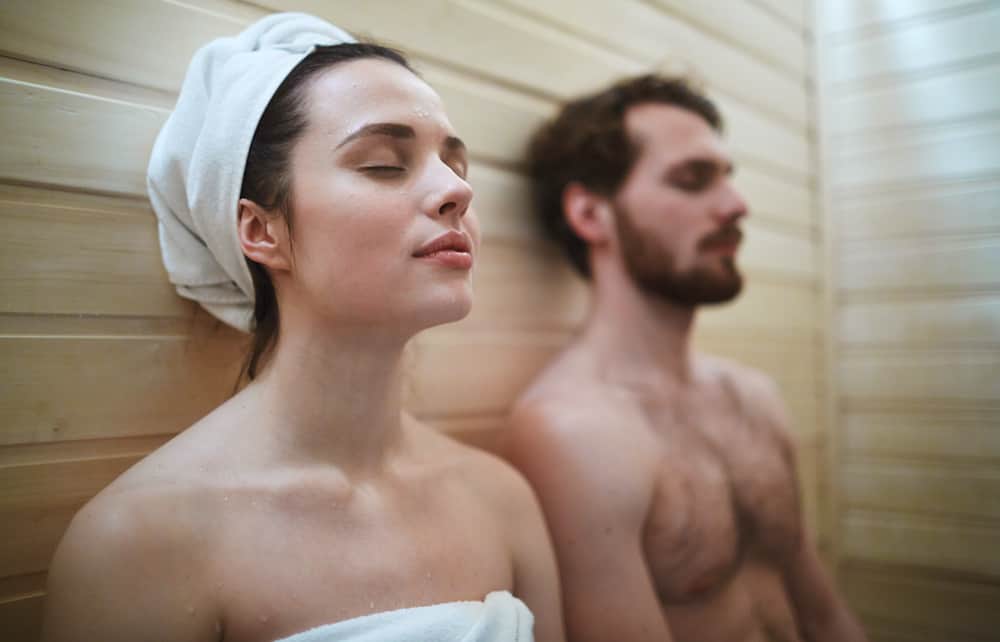
Sauna has been used for thousands of years in Finland and the experience in the world's happiest country is very different from the usual dry hot box us Brits usually find in our local leisure club. There are some key differences when it comes to an authentic Finnish sauna experience and probably the biggest one is the production of the hot evaporating steam which Finnish people call call ‘Löyly’ (pronounced Low-Lou). It’s produced by pouring water onto the hot stones of the sauna heater (kiuas).
 News13 Feb
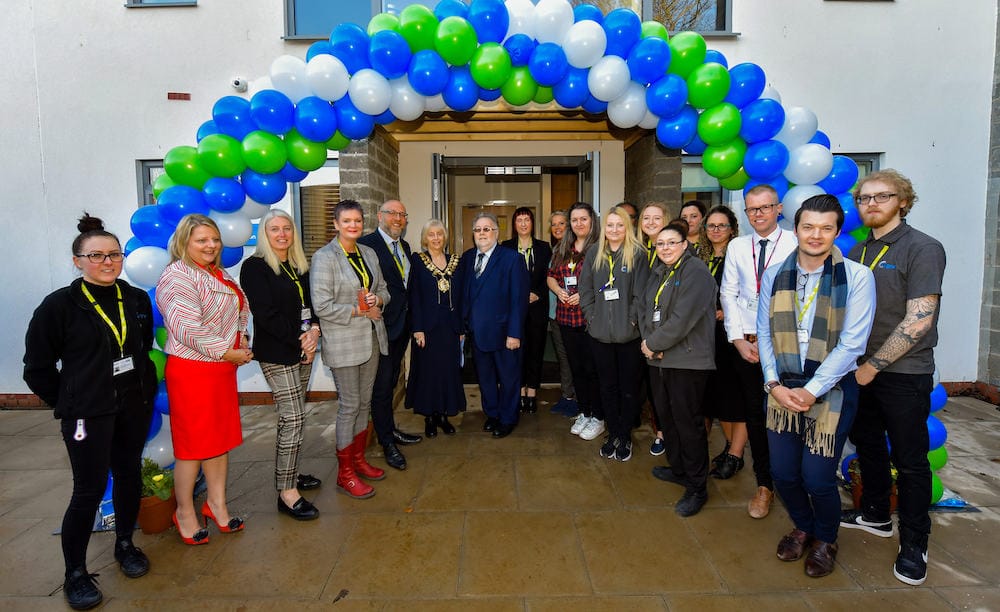
Care provider Cygnet Health Care has officially opened of Pindar House, a new 22-bed facility in Barnsley, South Yorkshire. The new facility will provide a much-needed service not currently catered for in Yorkshire and the Humber, helping to reduce out of area placements and support people returning to community living. Cygnet Pindar House is designed to aid the recovery of patients affected by ABI, and provide longer term care to help and manage progressive neurological conditions, such as Huntington’s disease. It will offer specialised care and treatment for men over 18 years old, also catering for patients with complex physical needs, such as mobility impairments. The purpose-built facility has been designed to provide clinically-led, evidence-based neuropsychiatric care for service users.


