



News
The latest news from across neurorehabilitation.
 News14 Jan
Researchers have developed a method which they say could turn non-neuronal cells in the brain into neurons, limiting the impact of stroke. Currently, stroke patients are treated by restoring proper blood flow to their neurons. However, these neurons are often dead by the time treatment is given. Replacing dead neurons is therefore an ideal but very difficult strategy to regain loss of brain function. Now, researchers at Okayama University have now developed a method of converting non-neuronal cells in the brain into neurons for this purpose. Ascl1, Sox2, and NeuroD1 are proteins found within neurons. When they are introduced tactically into ordinary cells, the cells start showing neuron-like properties.
 Interviews14 Jan
Deborah Backus is navigating rush hour traffic when she takes a cross-Atlantic call from NR Times. She’s understandably busy. The organisation she oversees is about to host the biggest rehab research event on the planet. But president of the American Congress of Rehabilitation Medicine (ACRM ) is just one hat she wears.
 Research12 Jan
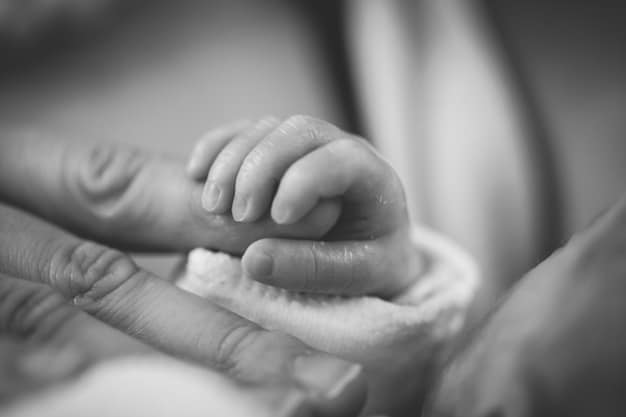
An estimated three out of every 1,000 newborns will suffer a brachial plexus injury during birth, damaging the bundle of nerves that connect the brain and spinal cord to the shoulders, arms and hands. In the most traumatic cases, even with surgery and physical therapy as an infant, there is no treatment that can guarantee a full recovery. However, a new study from the University of Notre Dame has identified a strategy that may support the regeneration of nerves affected by a brachial plexus injury. The findings show that there could be a new path forward for a full behavioral recovery. "Early on, our model showed that the nerve regeneration process after a brachial plexus injury differed from how these nerves connect the peripheral and central nervous systems during early development," said Cody Smith, the Elizabeth and Michael Gallagher Assistant Professor of Biological Sciences and co-author of the study.
 News10 Jan
Cygnet Pindar House, in Barnsley, will have 22 beds for men with neurological conditions and acquired brain injuries. It is specifically for those cases which result in challenging behaviour requiring professional support in an appropriate setting. The facility is the latest addition to Cygnet Health Care’s portfolio and has been purpose built to provide a clinically-led, evidence-based neuropsychiatric pathway for service users. With the aim of minimising challenging behaviour while encouraging individuals to maximise their independence, the unit represents a significant step forward in increasing national provision in this highly specialist area of care.
 News8 Jan
Artificial neurons on silicon chips that behave just like the real thing have been invented by scientists – a first-of-its-kind achievement with enormous scope for medical devices to cure chronic diseases, such as heart failure, Alzheimer’s, and other diseases of neuronal degeneration. Critically the artificial neurons not only behave just like biological neurons but only need one billionth the power of a microprocessor, making them ideally suited for use in medical implants and other bio-electronic devices. The research team, led by the University of Bath and including researchers from the Universities of Bristol, Zurich and Auckland, describe the artificial neurons in a study published in Nature Communications.
 News25 Nov
Neurologic Music Therapy (NMT) provides specific, individualised and standardised interventions for people with brain injury or neurological conditions. It is distinct from traditional music therapy approaches as it is not based on a social-science model. Rather, it is underpinned by neuroscience and recognises music as a hard-wired brain language. The discipline of NMT improves cognitive, sensory and motor dysfunction caused by neurologic disease of the human nervous system; and is becoming increasingly relied upon to deliver better neuro-rehab outcomes.
 Elysium7 Nov
The 20-bed, purpose-built hospital in Swindon will provide neurobehavioural services led by Professor Nick Alderman, clinical director of Elysium’s Neurobehavioural Rehabilitation Services. Chief executive Joy Chamberlain said: “We are delighted to be further extending our services and we look forward to opening the hospital in the New Year.” Professor Nick Alderman added: “The Chalkdown House site was purpose built for the neurobehavioural client group and the facilities are outstanding. The site will provide a much needed service. “In the UK, 1.3 million people live with enduring difficulties as a result of acquired brain injury at a cost of £15bn per annum to the economy, equivalent to 10 per cent of the annual NHS budget. Chief executive Joy Chamberlain said: “We are delighted to be further extending our services and we look forward to opening the hospital in the New Year.” Professor Nick Alderman added: “The Chalkdown House site was purpose built for the neurobehavioural client group and the facilities are outstanding. The site will provide a much needed service. “In the UK, 1.3 million people live with enduring difficulties as a result of acquired brain injury at a cost of £15bn per annum to the economy, equivalent to 10 per cent of the annual NHS budget.
 News7 Nov
Calvert Reconnections is an intensive acquired brain injury (ABI) rehab centre which combines traditional inter-disciplinary clinical therapies and physical activity in the outdoors. The residential centre, on the outskirts of Keswick in the Lake District, opens next spring and can accommodate up to 10 participants at any given time. Centre director Sean Day said: “We are absolutely delighted to have reached the stage where we are now taking referrals. “Our focus will be on delivering clinical therapies alongside experienced activity instructors utilising challenging outdoor activities to support individuals in their recovery from brain injury.”
 Rehab for all24 Oct
People living with a brain injury or neurological condition should have more access to employment than ever before. But experts in the field paint a very different picture; in which individuals are struggling to find employment, withdrawing from work all together and experiencing discrimination. In July 2019, the Neurological Alliance published the most comprehensive survey undertaken of people living with neurological conditions. It found that one in three respondents have been discriminated against as a result of their condition, and almost a third (29 per cent) have had their contract of employment terminated.
 News14 Oct
Stoke Mandeville Spinal Research (SMSR) has announced its new research grants programme, which is focused on four key areas:
- Neuropathic pain
- Pressure ulcers
- Urinary tract infection
- Assistive technology primarily for upper limb function


