



News
The latest news from across neurorehabilitation.
 News9 Oct
A study published recently revealed new evidence linking a single traumatic brain injury (TBI) with increased dementia risk. Scientists visualised “tangles” or clumps of the protein tau – associated with the onset of Alzheimer's and other forms of dementia - in people who had experienced a moderate to severe TBI 18 to 35 years earlier. The study was small and early-stage, with only 21 brain injury cases and 11 healthy individuals studied.
 News9 Oct
The progression of motor neurone disease can be cruelly fast. The last thing families affected by it need, then, are delays in getting the vital support they are entitled to. But in households across the UK, red tape and the stuttering mechanics of local councils are causing needless hold ups in essential home alterations. Ultimately, people with the disease are becoming trapped in unsuitable housing conditions, a new study has found.
 News8 Oct
Kinderkey Healthcare’s Bearhugzzz bed was initially created to help a young man who had never been able to sleep without a protective helmet. His mother approached the safe sleeping solutions company and – 17 years later – the product is used by children and adults with a wide range of conditions and challenges. The original brief was to create something strong enough to cope with the man’s vigorous movements associated with his condition. Yet it also had to be soft enough to keep him safe from injury.
 News8 Oct
When Emily Goodall set up BundleBean in 2011, she wanted to design a new, high-functioning nursery product that would make life easier for mums. In the process, however, she stumbled on an entirely unexpected market. Emily noticed a demand from parents of children living with disabilities. There was a clear need for a universal, affordable wheelchair cover which would give young people the freedom to get out and about in the unpredictable British weather.
 Tech & industry8 Oct
Remote controlled internal sensory lighting helps to generate a “360-degree immersive environment”; a catalyst for imaginative play, learning, relaxation and sensory stimulation. Each PODS product can be inflated and deflated within 40 seconds, is lightweight and comes with a storage backpack, enabling it to be taken anywhere. It is therefore the perfect travel companion for on-the- road carers for domiciliary care – but PODS are also used around the world in specialist schools, hospitals, creches, respite centres and hotels, as well as in the home.
 Research7 Oct
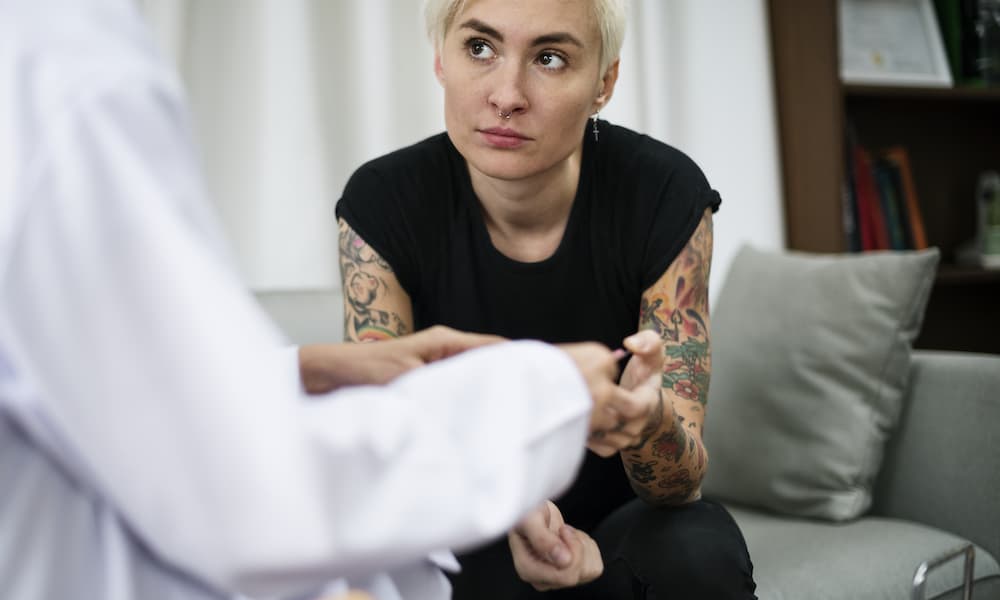
Acquired brain injury (ABI) is one of the leading causes of disability within the UK and can have a significant impact on the daily lives of survivors and their families (Khan et al., 2003). Difficulties include physical, emotional, cognitive and behavioural changes, and with many experiencing little or no physical impairment, ABI is often referred to as a “silent epidemic”. Case management is dedicated to supporting and coordinating the rehabilitation and care of individuals with complex needs including ABI.
 News7 Oct
“His condition means his muscles are extremely weak and he will never be able to stand or walk and has therefore been reliant on manual and powered wheelchairs from the age of two,” explains his mother Liz. In early 2018, the family decided it was time to replace George’s powerchair as he needed a model with additional features. They attended several exhibitions to see what was available and George tried a handful of different chairs.
 News7 Oct
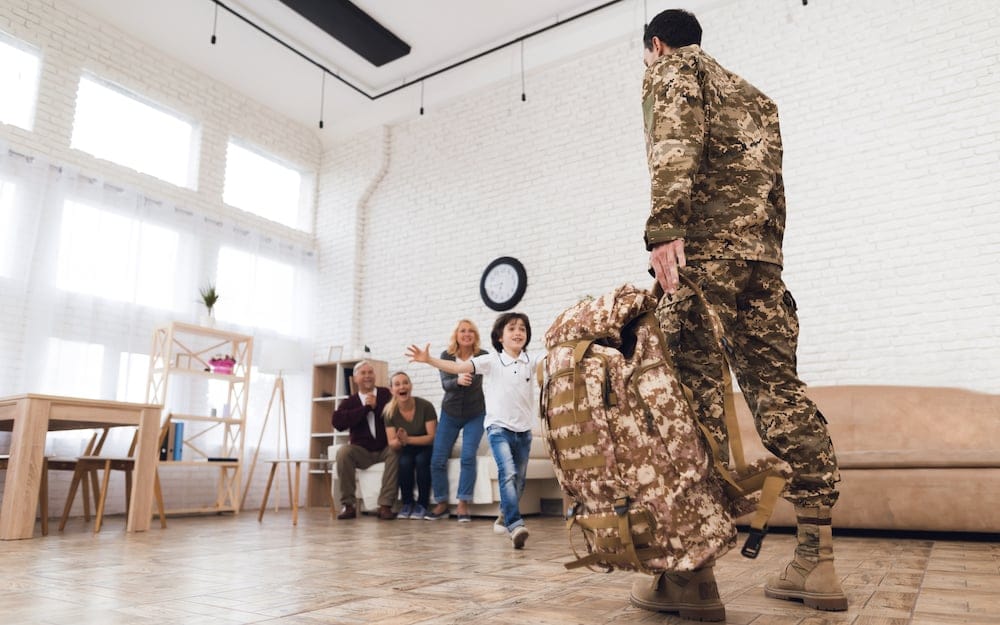
Transitioning from military to civilian life can take its toll not only on ex-military personnel but their families too. Physical and/or mental trauma can negatively impact relationships between loved ones as those directly affected struggle to come to terms with the aftermath of war. Veterans’ difficulty transitioning to civilian life can fuel anger and frustration within a household, and leave loved ones feeling increased levels of anxiety and isolation.
 News7 Oct“Every powerchair we supply is bespoke as every client is unique and I have always held the belief that the chair should fit the person as opposed to the person fitting the chair,” says founder Matthew James. To be able to meet and accommodate the needs of some of the most complex disabilities, Precision Rehab works with some of the UK’s leading seating manufacturers such as Contour886 along with OT’s and other healthcare professionals during the assessment and design process of each powerchair to ensure the end product meets all the requirements of the client.
 Life after injury7 Oct
Chris was born with spinal muscular atrophy. Over the years, the Gordon family has had various wheelchair accessible vehicles to enable them to go out as a family but as more and more of his friends passed their driving tests Chris wanted to do the same so started to look at drive-from vehicles. “When you are younger, you don’t mind relying on friends and family to give you lifts but just because I am in a powerchair doesn’t mean I shouldn’t have the same independence as everyone else,” explained Chris.


