



Clinicians & therapists
For doctors, nurses, therapists and psychologists.
 Neuropsychology5 Mar
By The London Neurocognitive Clinic In the realm of neuropsychology, a holistic approach is paramount to addressing the multifaceted needs of individuals with neurocognitive conditions. This methodology not only considers the cognitive aspects but also encompasses emotional, social, and functional dimensions, ensuring comprehensive care that aligns with human rights principles and promotes independence. The Essence [...]
 Neuropsychology24 Feb
By Caroline Seton, Head of Research, BIS Services Rehabilitation Assistants are often regarded as the unsung heroes of brain injury rehabilitation. But what makes cognitive rehabilitation assistants (CRAs) so effective in supporting their clients to attain their goals of greater independence? Our research project at The BIS Services presents a novel conceptual framework for understanding [...]
 Neuropsychology14 Feb
A new study has shown that children with underlying neurological conditions showed a much higher incidence - almost 50 times greater - of serious neurologic complications from contracting the flu. Many clinicians do not consider neurologic complications of the flu when discussing vaccination or treatment of influenza with families. According to the study, the primary [...]
 Dementia10 Feb
NR Times explores the latest research developments impacting on neuro-rehab. Biomarker test can detect Alzheimer's pathology earlier A newly developed biomarker test can detect small amounts of tau protein and its misfolded pathological forms that litter the brain, cerebrospinal fluid and potentially blood, years before tau tangles show up in brain scans of patients with [...]
 Stroke7 Feb
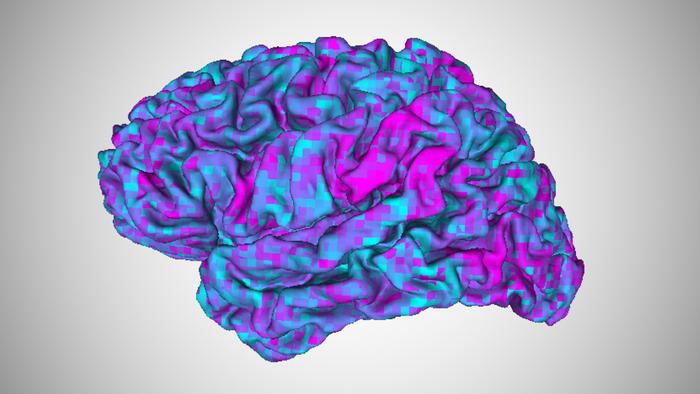
A pair of researchers at The University of Texas at Austin have demonstrated an AI-based tool that can translate a person’s thoughts into continuous text, without requiring the person to comprehend spoken words. And the process of training the tool on a person’s own unique patterns of brain activity only takes about an hour. This [...]
 Spinal injury6 Feb
Electrical stimulation of the spinal cord has been shown to gradually reawaken functionally silent motor neurons in the spinal cord and improve leg muscle strength and walking in adults with the genetic neurodegenerative disease, spinal muscle atrophy (SMA). The drug-free, minimally invasive intervention was able to improve motoneuron function, reduce fatigue and improve strength and [...]
 Therapy5 Feb
By Victoria Sudworth, Clinical Commissioning Support Manager at The Daley Care Centre In rehabilitation, the importance of setting personal goals cannot be overstated. These goals shape the trajectory of an individual's recovery and provide a crucial sense of direction. Rather than a one-size-fits-all approach, rehabilitation is most effective when tailored to the [...]
 Therapy4 Feb
We round up the latest innovations in rehab tech, from falls detection in care homes to deep brain stimulation for Parkinson's BrainSense adaptive deep brain stimulation tech personalises Parkinson's therapy For 30 years, people with Parkinson's disease have benefitted from deep brain stimulation (DBS), a technology that transmits electric signals to the brain to disrupt [...]

In the following article, written by Ellice Wood, Highly Specialist Speech and Language Therapist at St Andrew’s Healthcare, Ellice discusses how building understanding, empathy and emotional resilience can break down barriers in communication, demonstrating the profound impact of Speech and Language Therapy on mental health and social integration. In mental healthcare, the importance of Speech [...]
 Neuropsychology24 Jan
Better understanding key biological pathways that underlie neurodevelopmental and psychiatric disorders, such as autism spectrum disorder and attention deficit hyperactivity disorder (ADHD), is the goal of a new five-year, US$17.9m grant. Recent studies have identified more than 100 genes that affect neurodevelopmental processes and may increase the likelihood of developing neuropsychiatric conditions. However, it’s not [...]


